
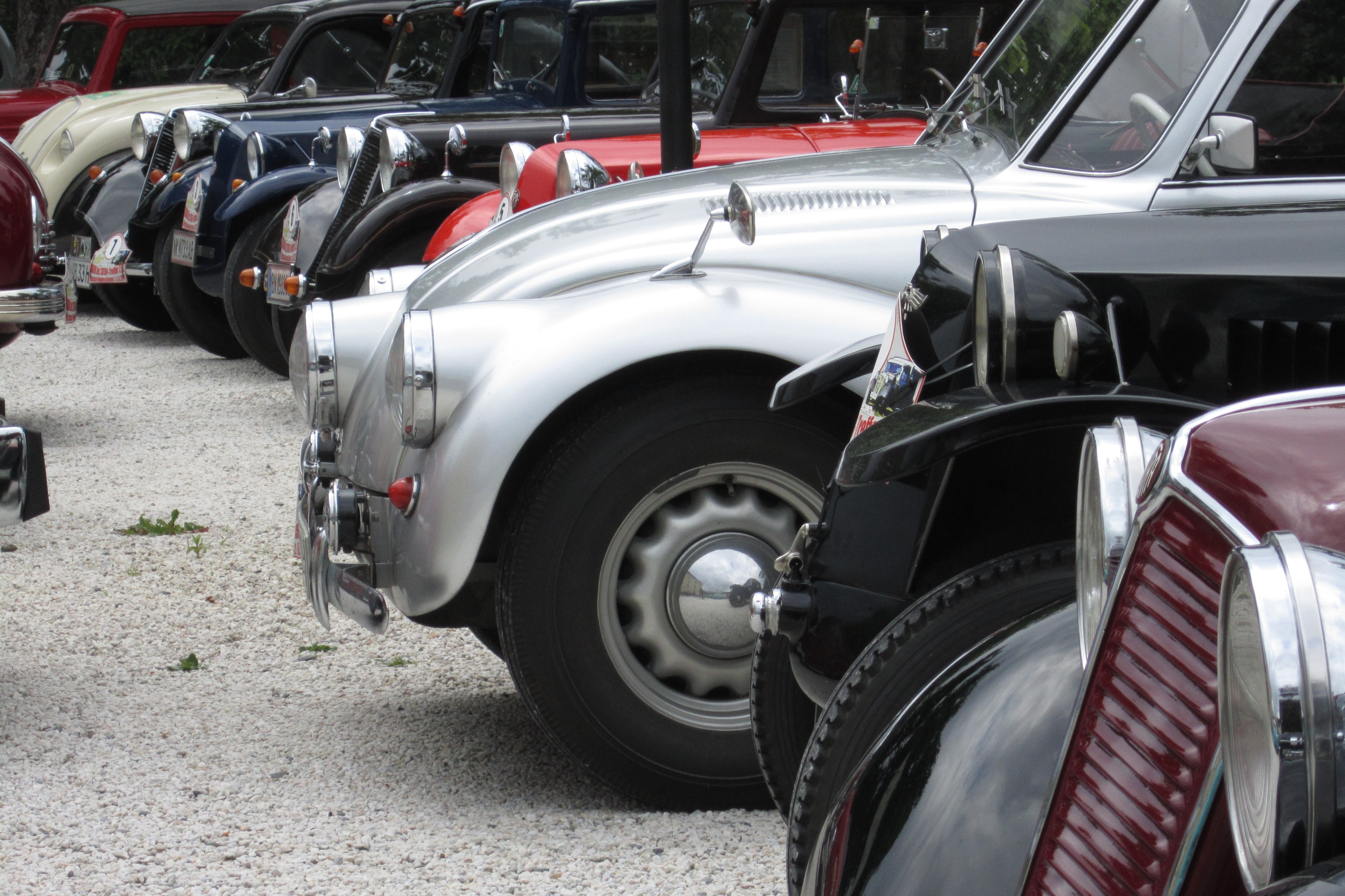
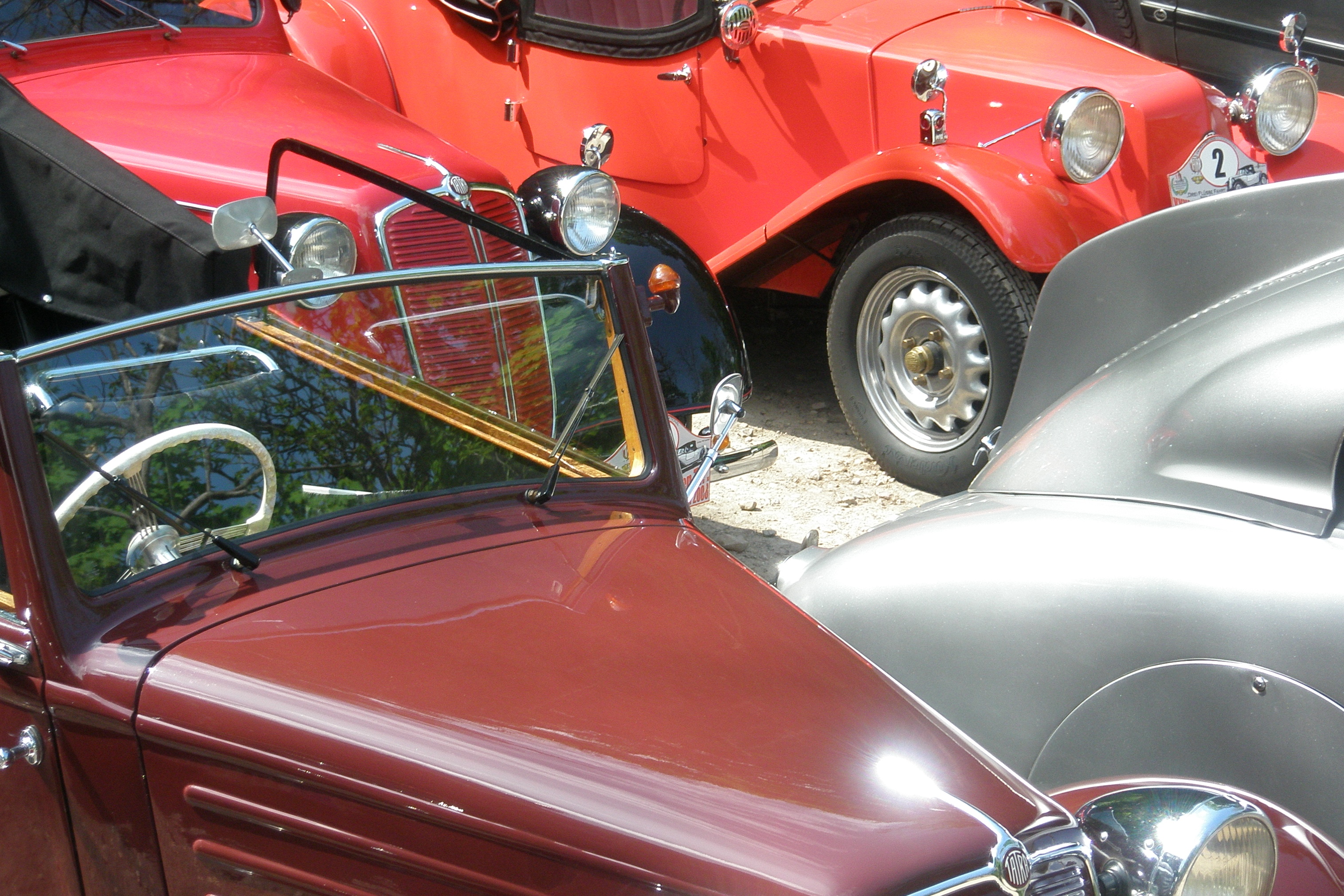
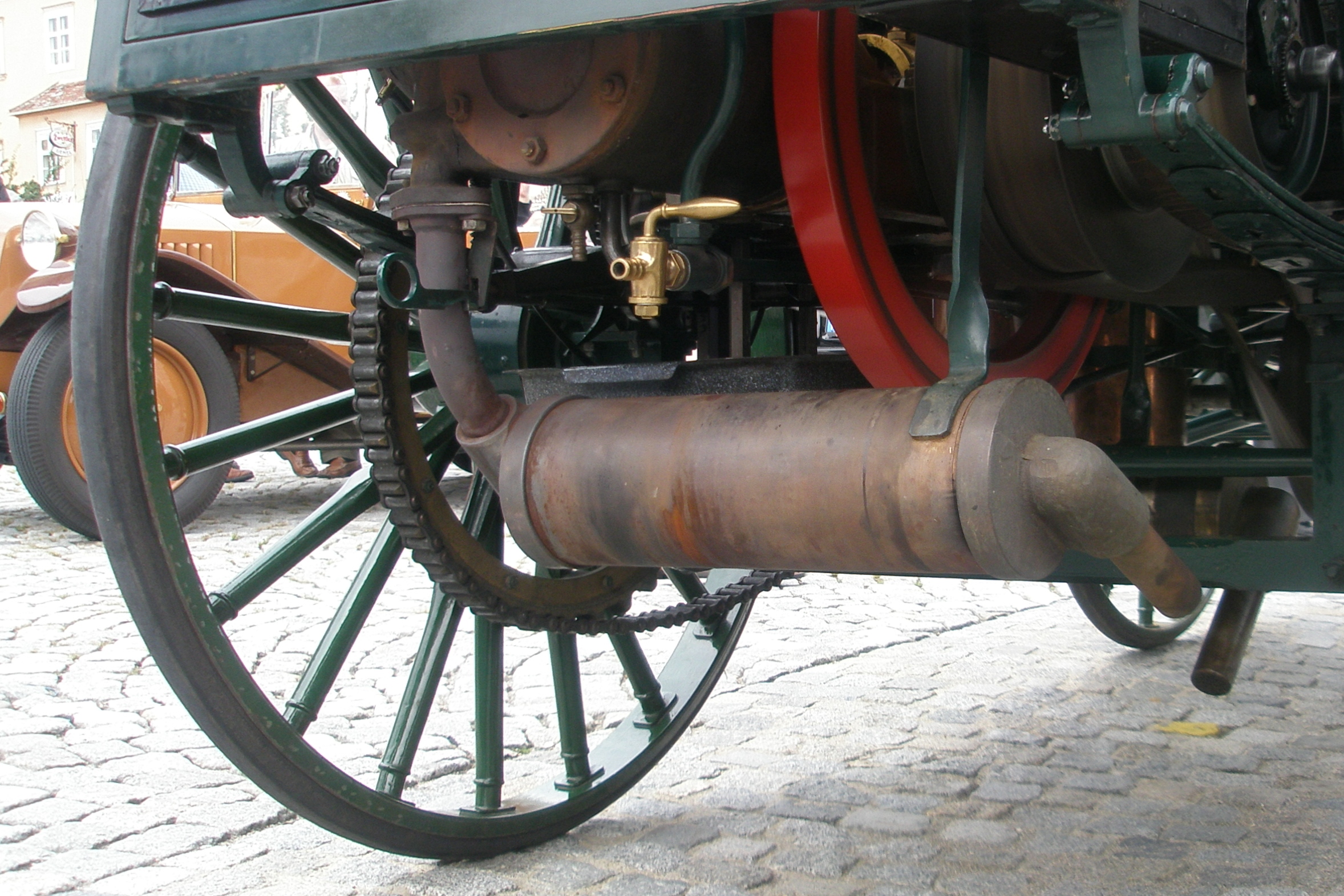
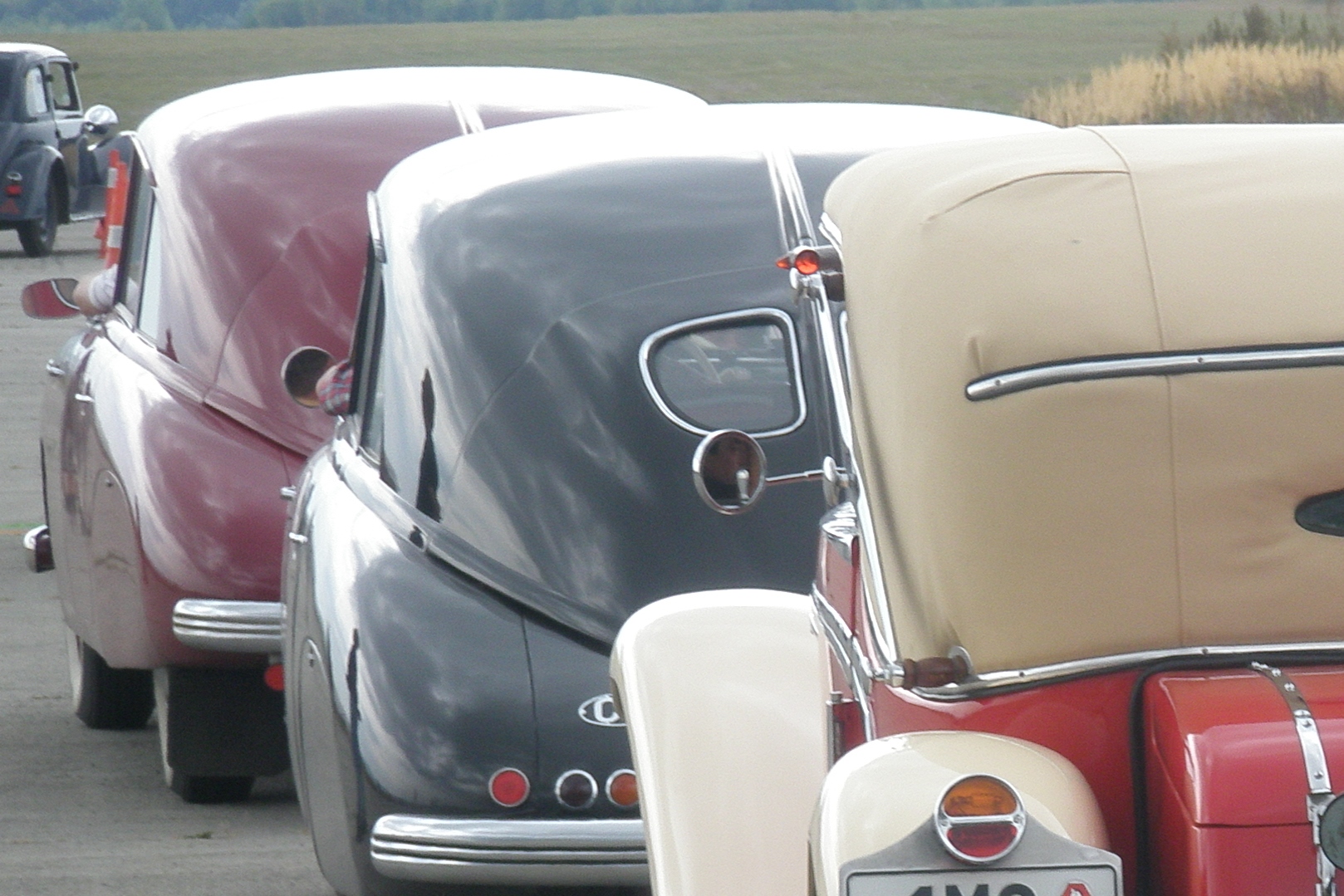
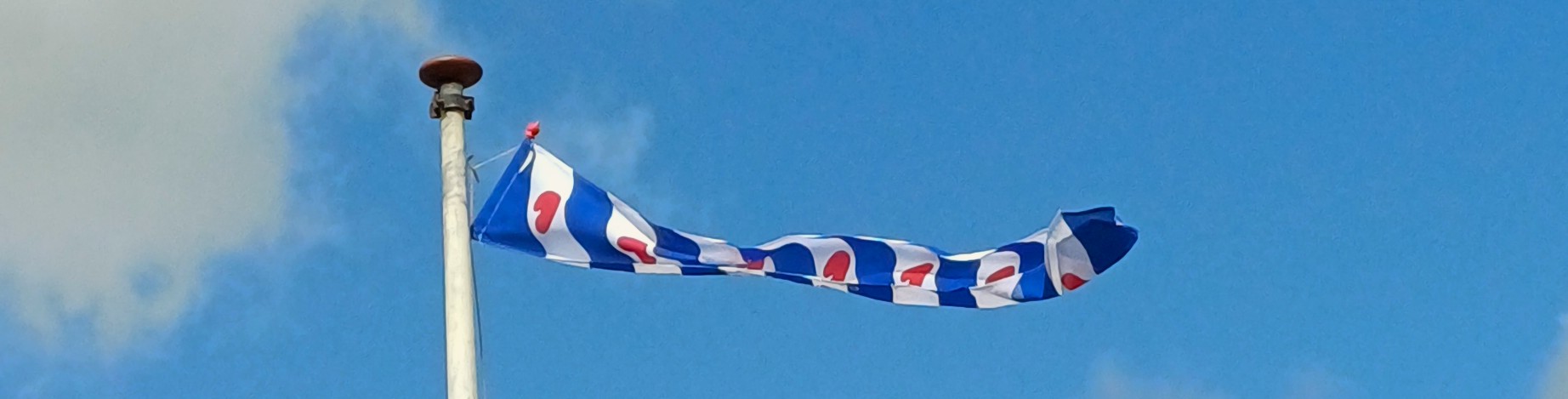
Zum dritten Mal in ihrer Geschichte durften die Tatra-Freunde International für ein Treffen in die Niederlande fahren. Diesmal führte ihr Weg in den Norden, in die Provinz Friesland, der Heimat unseres Gastgebers, Peter Visser. Seinen eigenen Bericht zu diesem Treffen finden Sie (deutsch und englisch) HIER.
Již potřetí ve své historii se členové sdružení Tatra-Freunde International vydali na setkání do Nizozemska. Tentokrát je cesta zavedla na sever, do provincie Friesland, odkud pochází náš hostitel Peter Visser. Svou vlastní zprávu o tomto setkání najdete (v němčině a angličtině) ZDE.
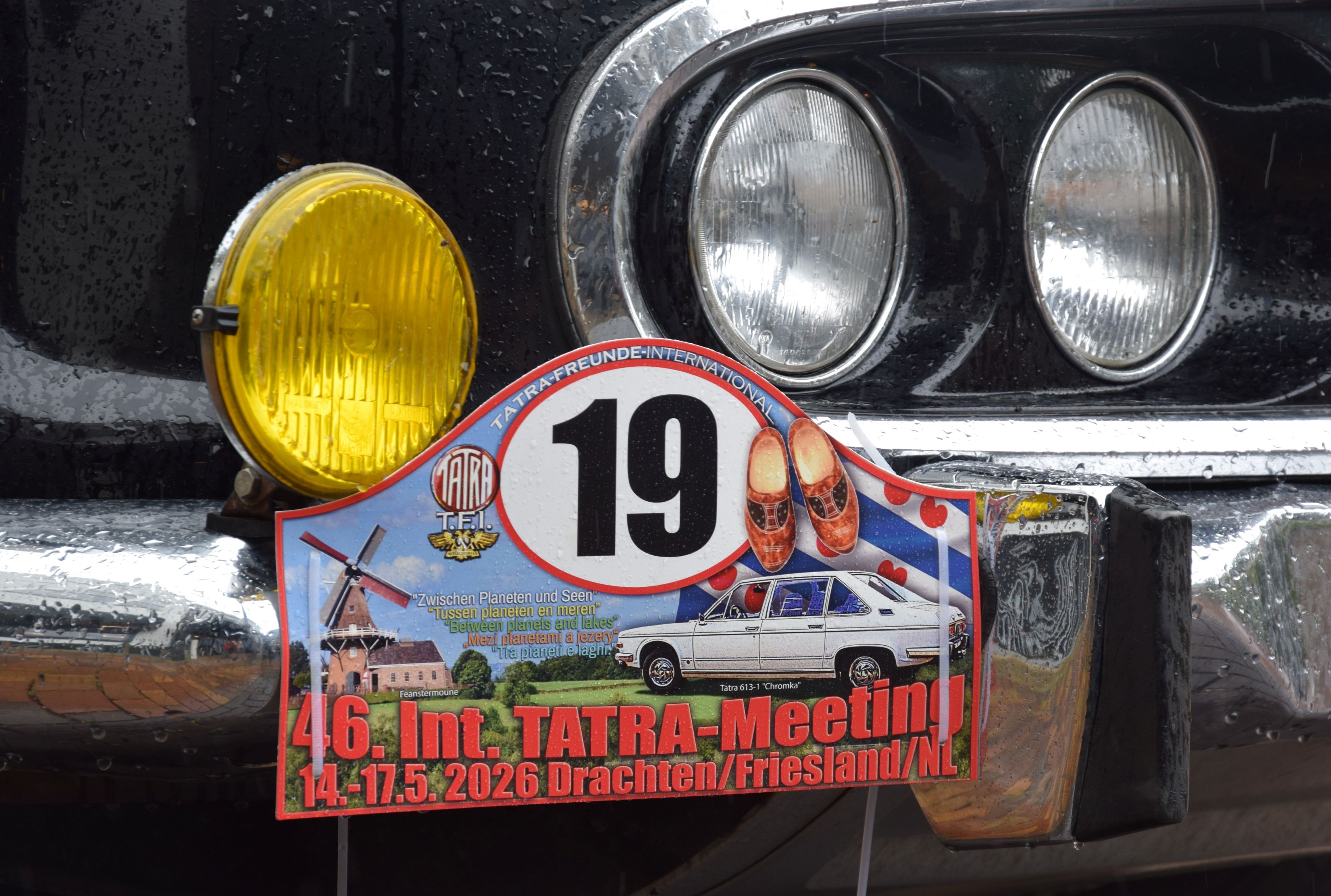
For the third time in their history, Tatra-Freunde International were able to travel to the Netherlands for a meeting. This time, their journey took them north to the province of Friesland, the home of our host, Peter Visser. You can find his own account of this meeting (in German and English) HERE.
Per la terza volta nella loro storia, gli Amici della Tatra International hanno avuto l’occasione di recarsi nei Paesi Bassi per un raduno. Questa volta il loro viaggio li ha condotti a nord, nella provincia della Frisia, terra natale del nostro ospite, Peter Visser. Il suo resoconto personale su questo raduno è disponibile (in tedesco e in inglese) QUI.
(Anmerkung: Fotos von Bauke Bos, Margreet Heijkoop, Nico Hobma, Peter Visser und D&E Bieber - Vielen Dank!)
(Poznámka: Fotografie od Baukeho Bosa, Margreet Heijkoopové, Nica Hobmy, Petera Vissera a D&E Bieberových – Mnohokrát děkujeme!)
(Note: Photos by Bauke Bos, Margreet Heijkoop, Nico Hobma, Peter Visser and D&E Bieber – Many thanks!)
(Nota: foto di Bauke Bos, Margreet Heijkoop, Nico Hobma, Peter Visser e D&E Bieber – Grazie mille!)
Treffpunkt und Ausgangspunkt der Fahrten war das Van Der Valk Hotel in Drachten, das für alle rechtzeitig genannten Teilnehmer genügend Zimmer, aber auch die erforderlichen Räumlichkeiten für die gemeinsamen Mahlzeiten und Abende bot.
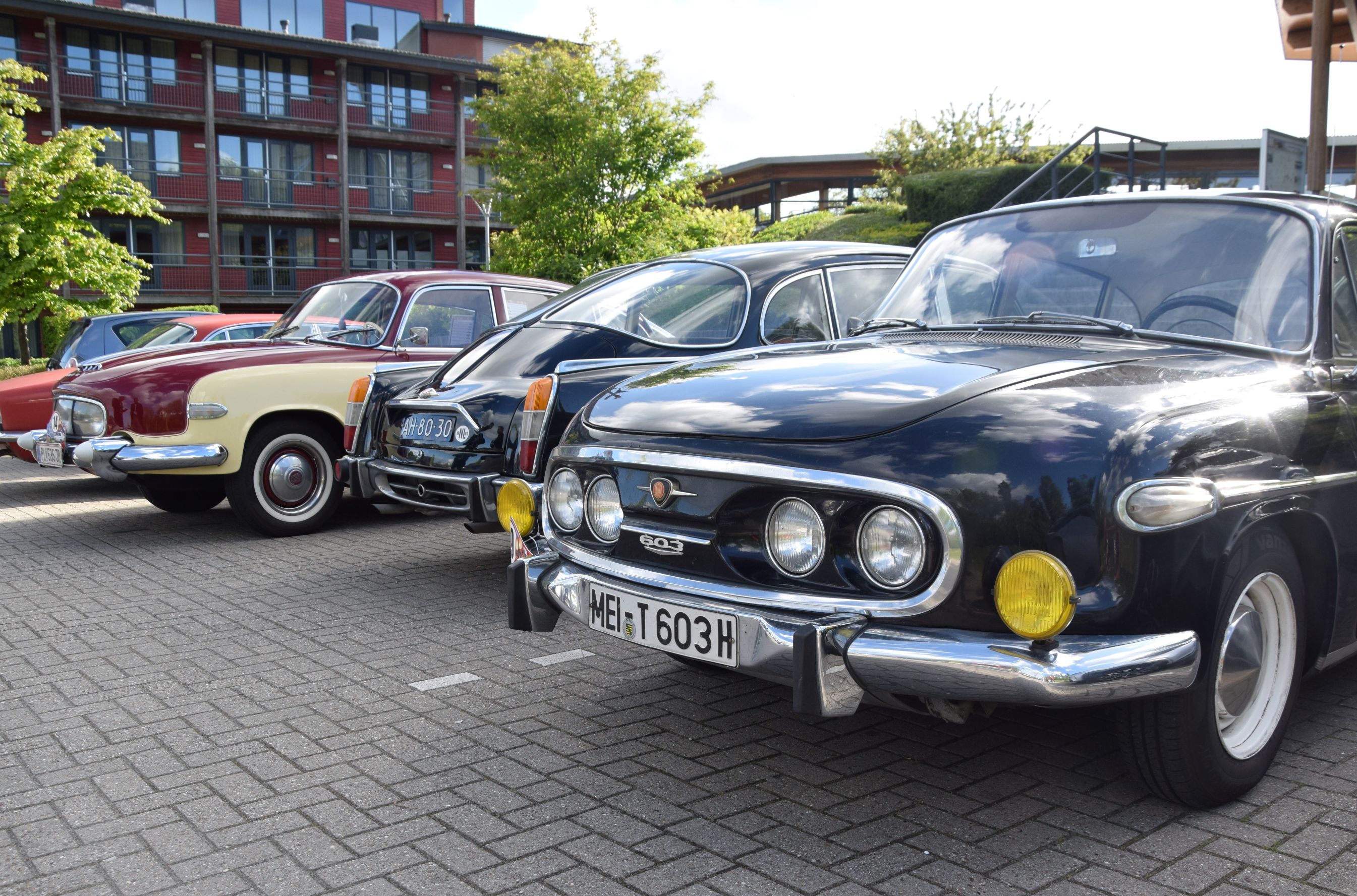
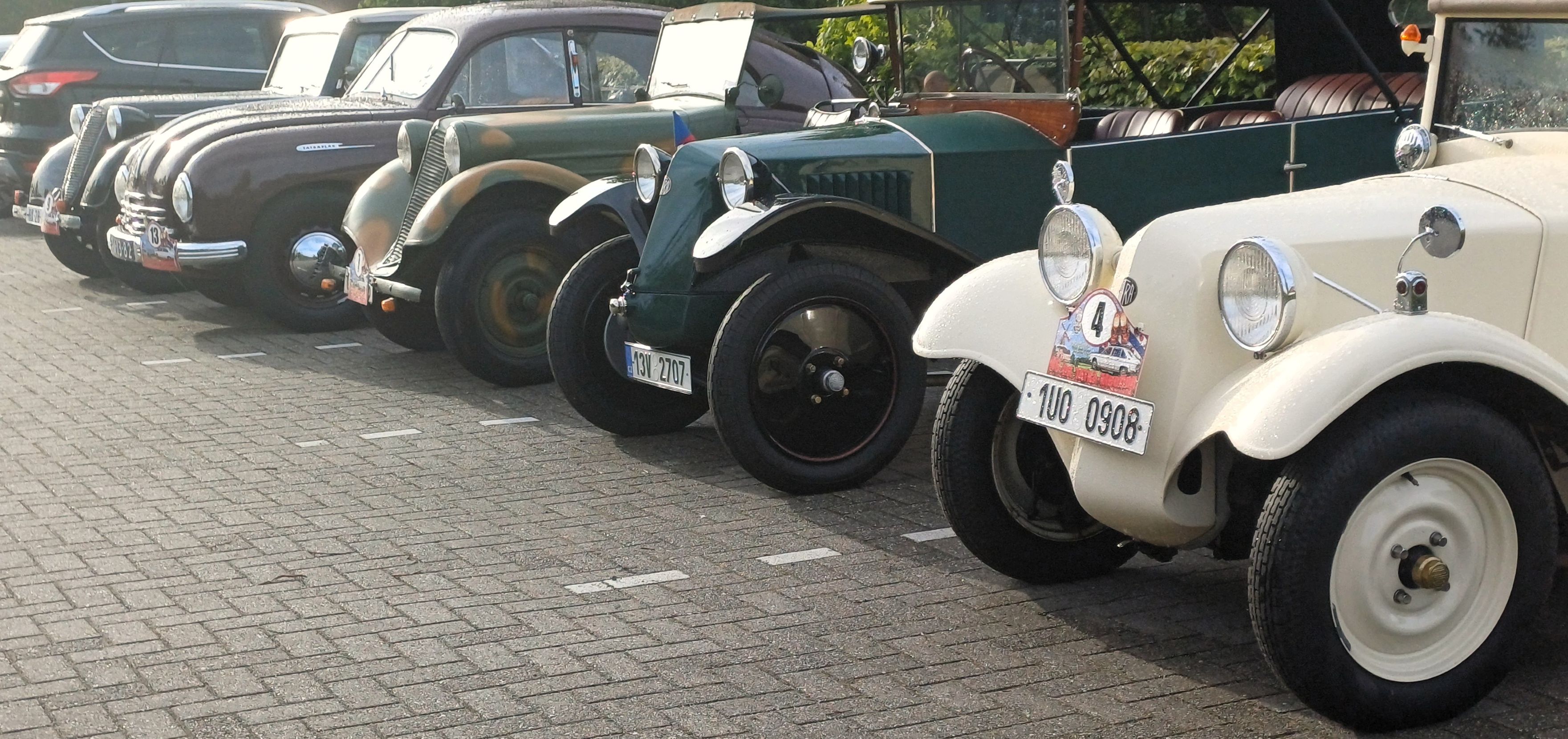
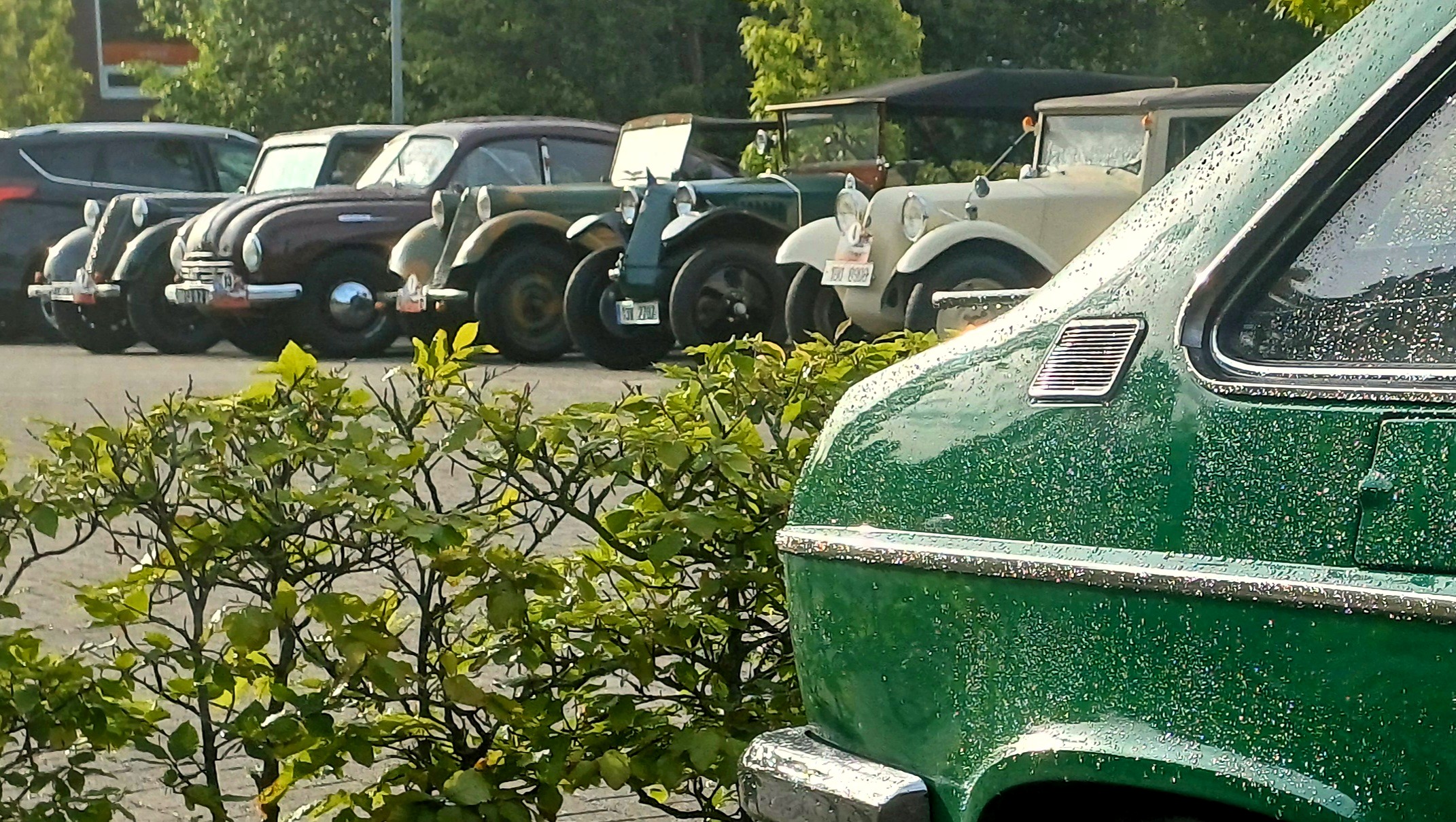
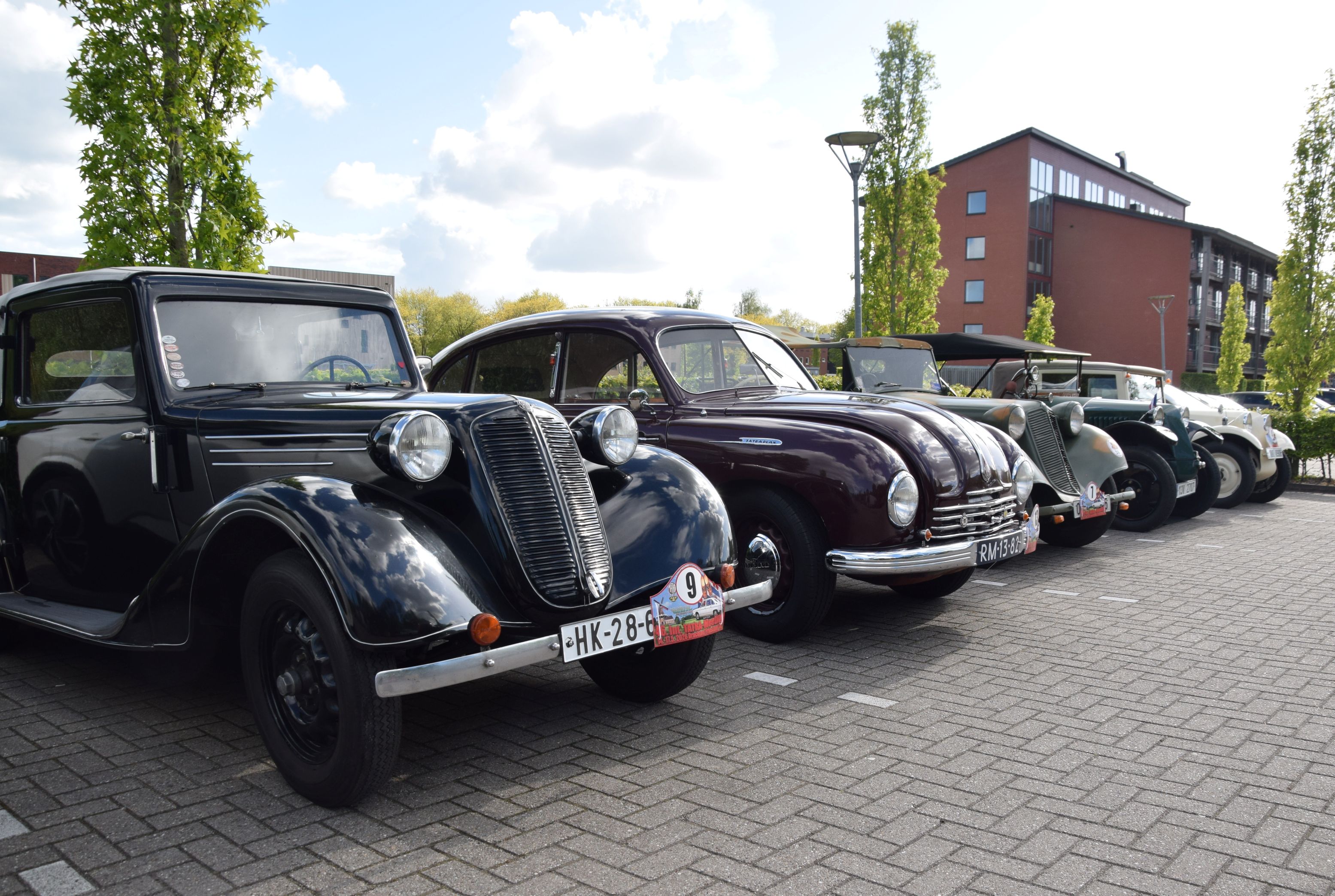
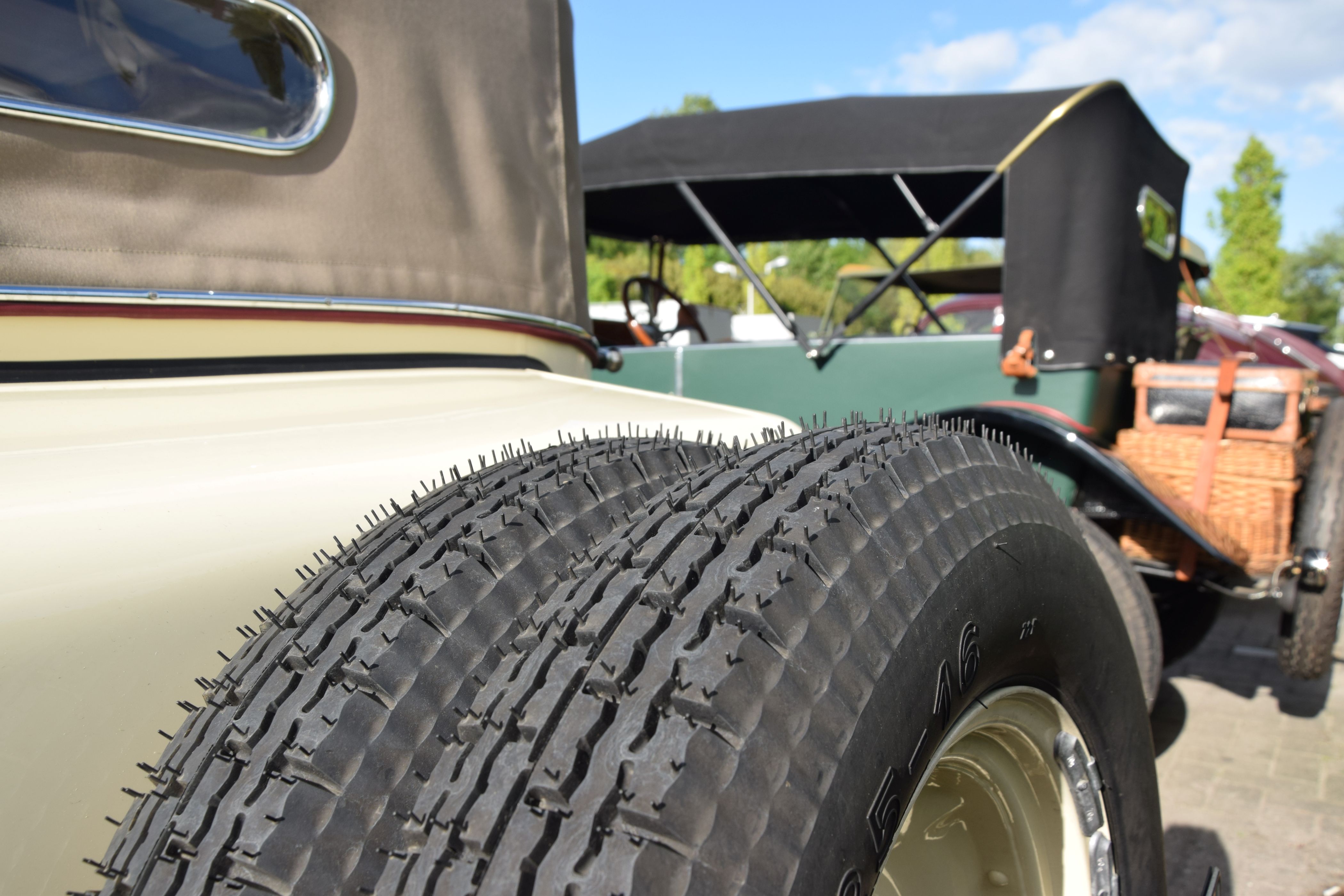
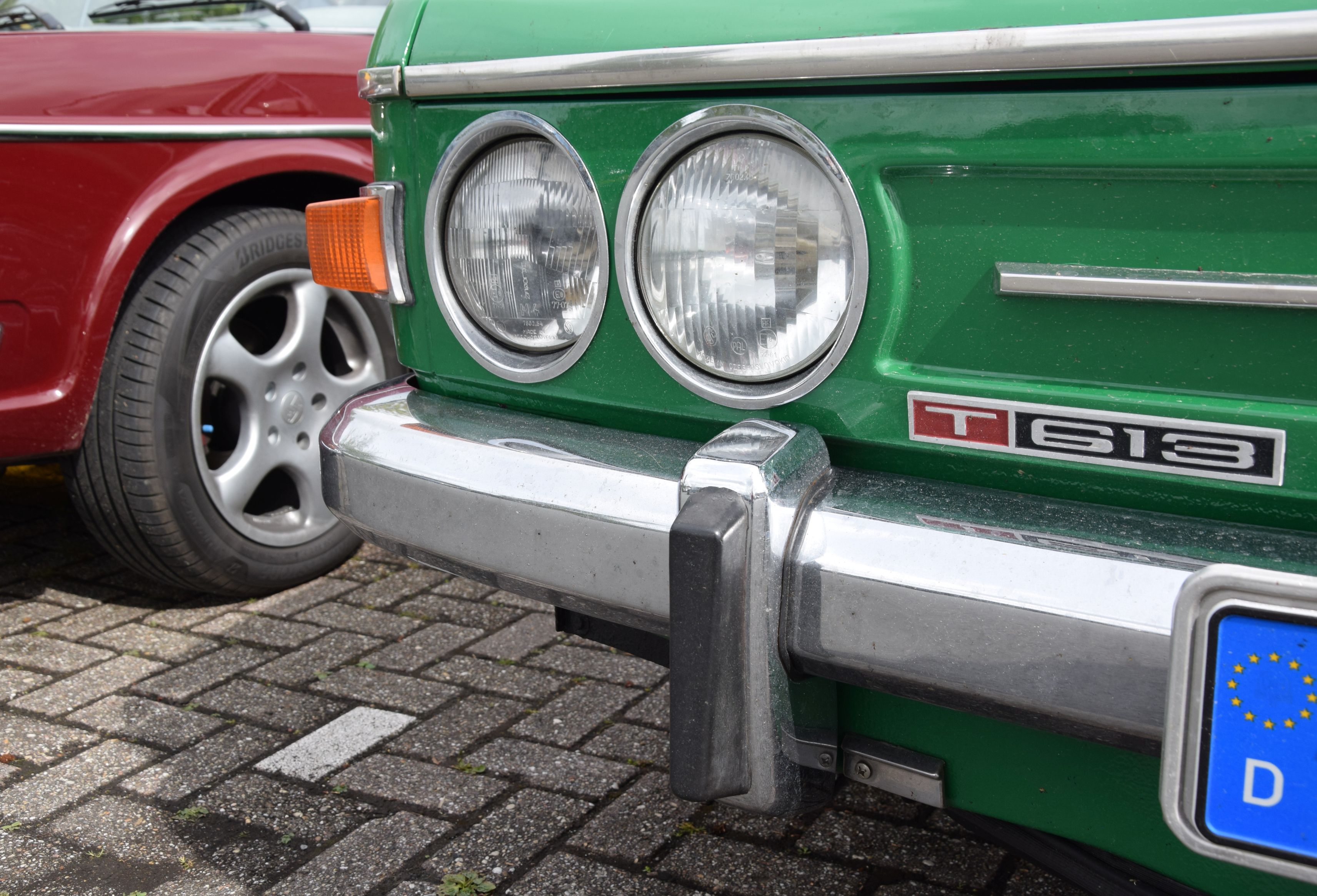
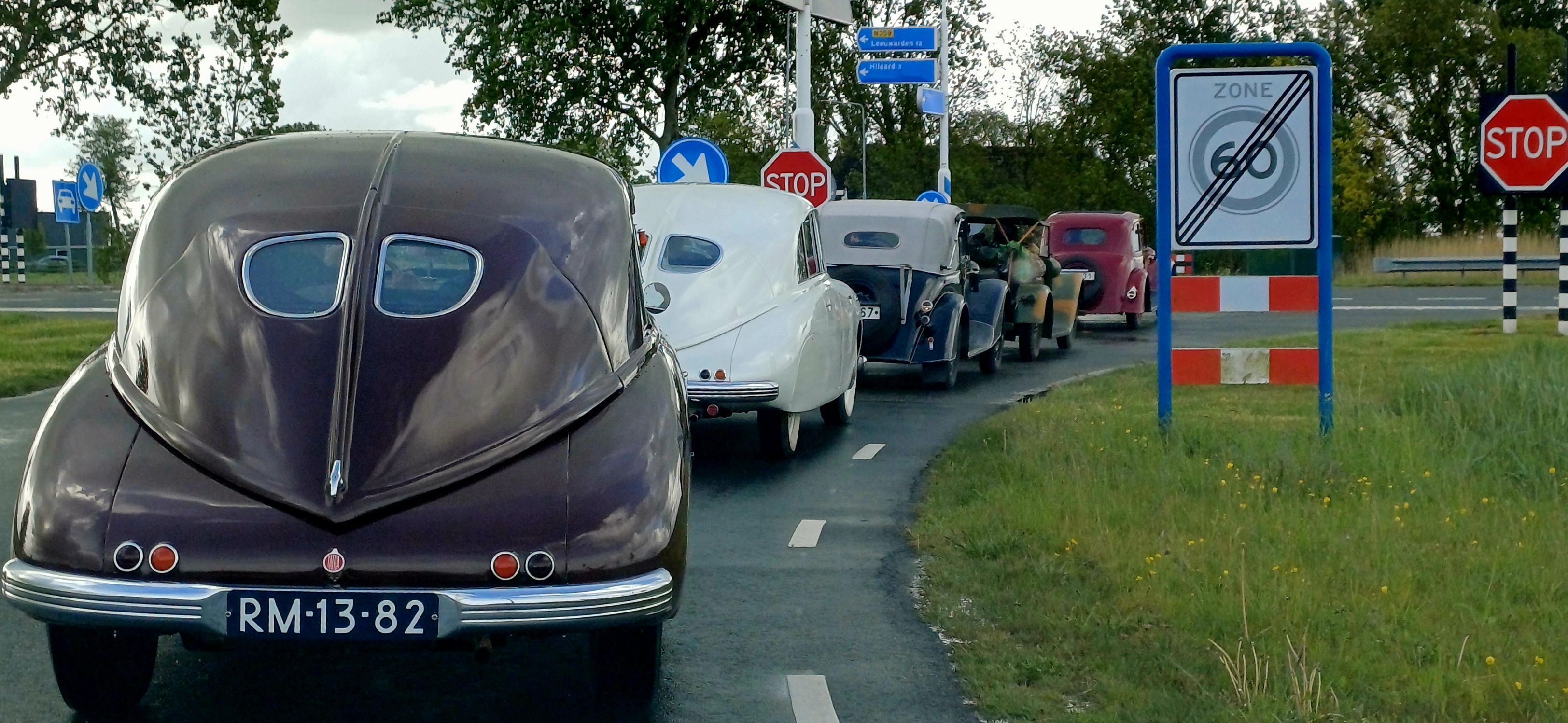
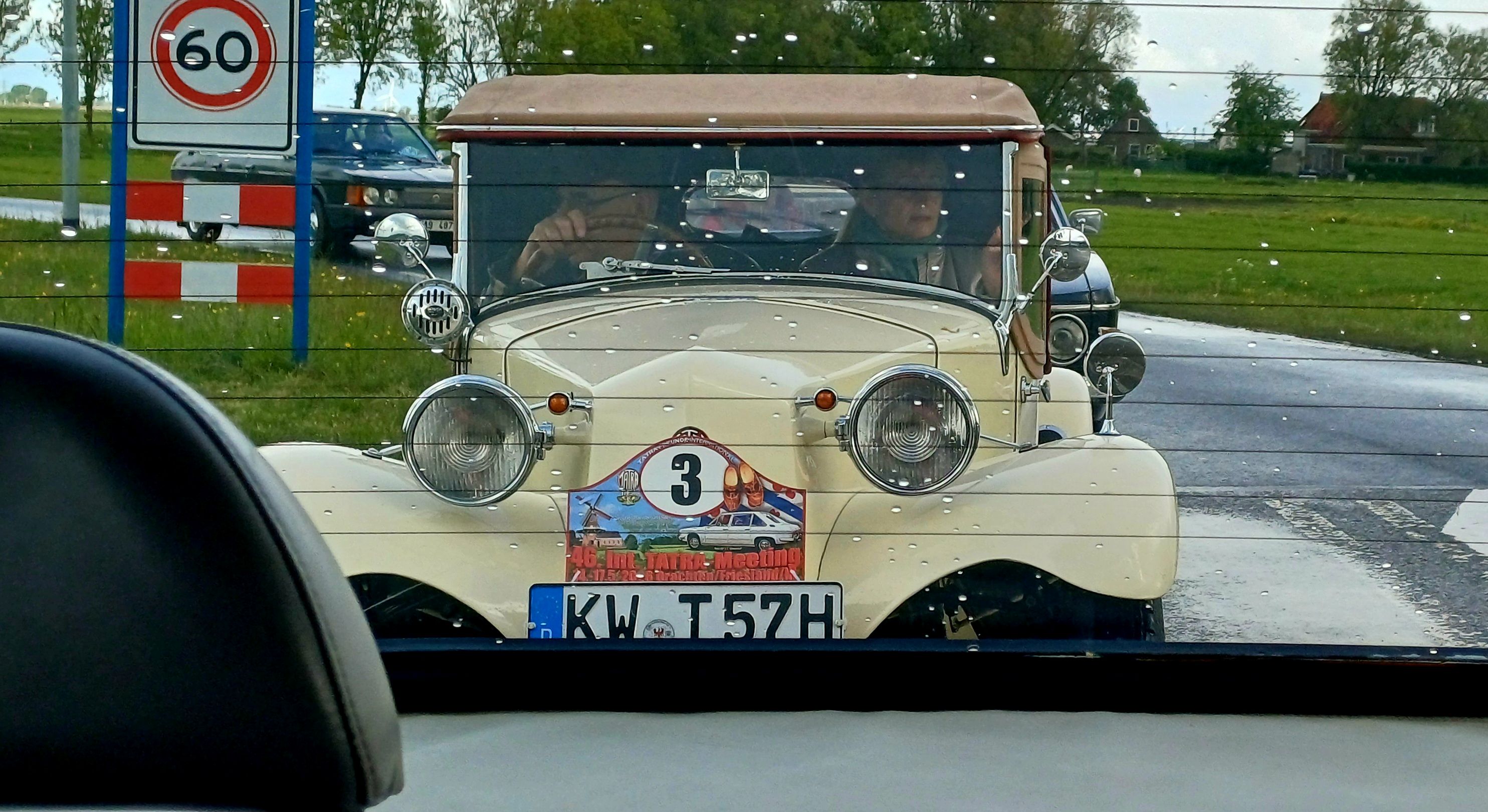
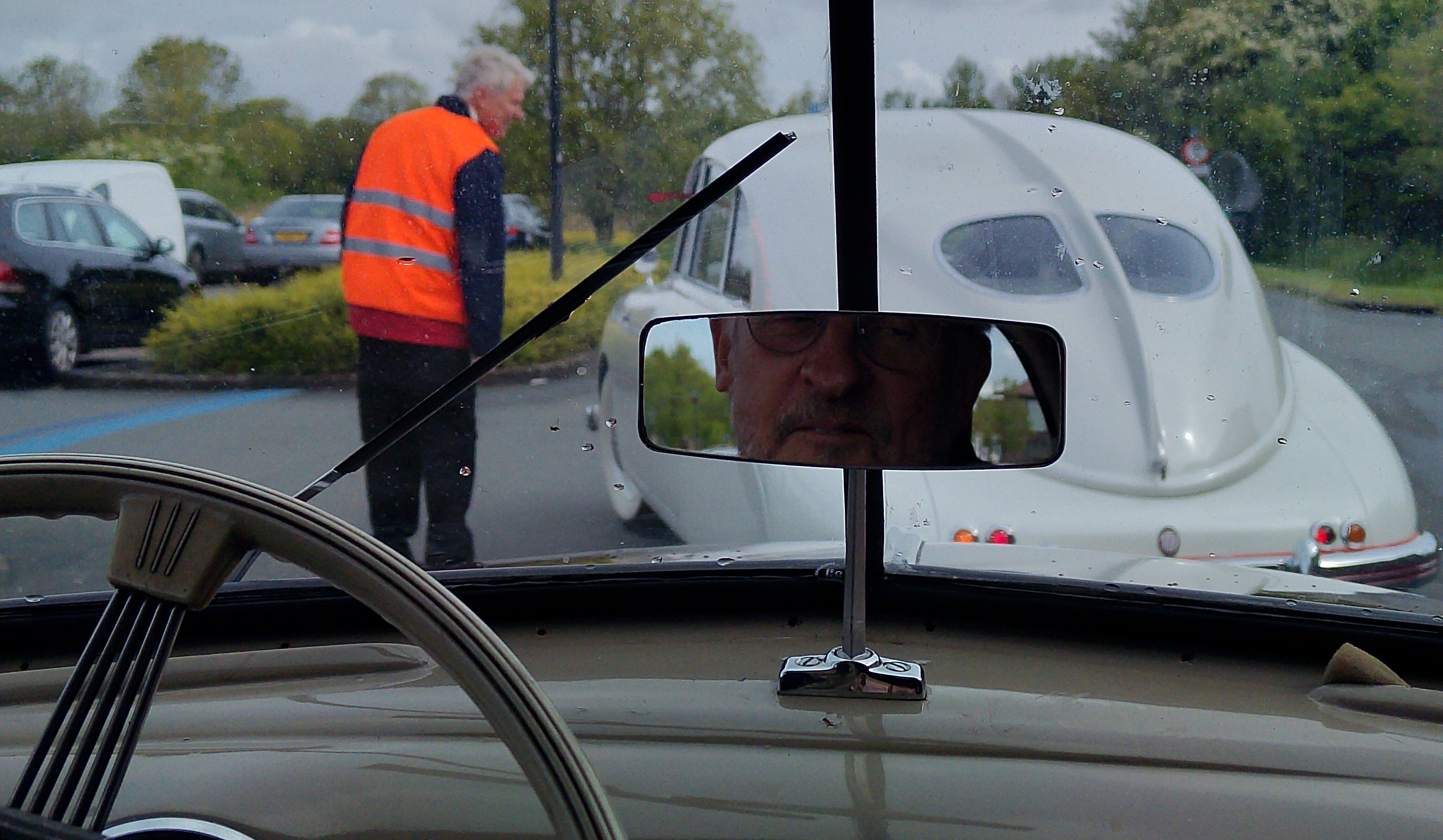
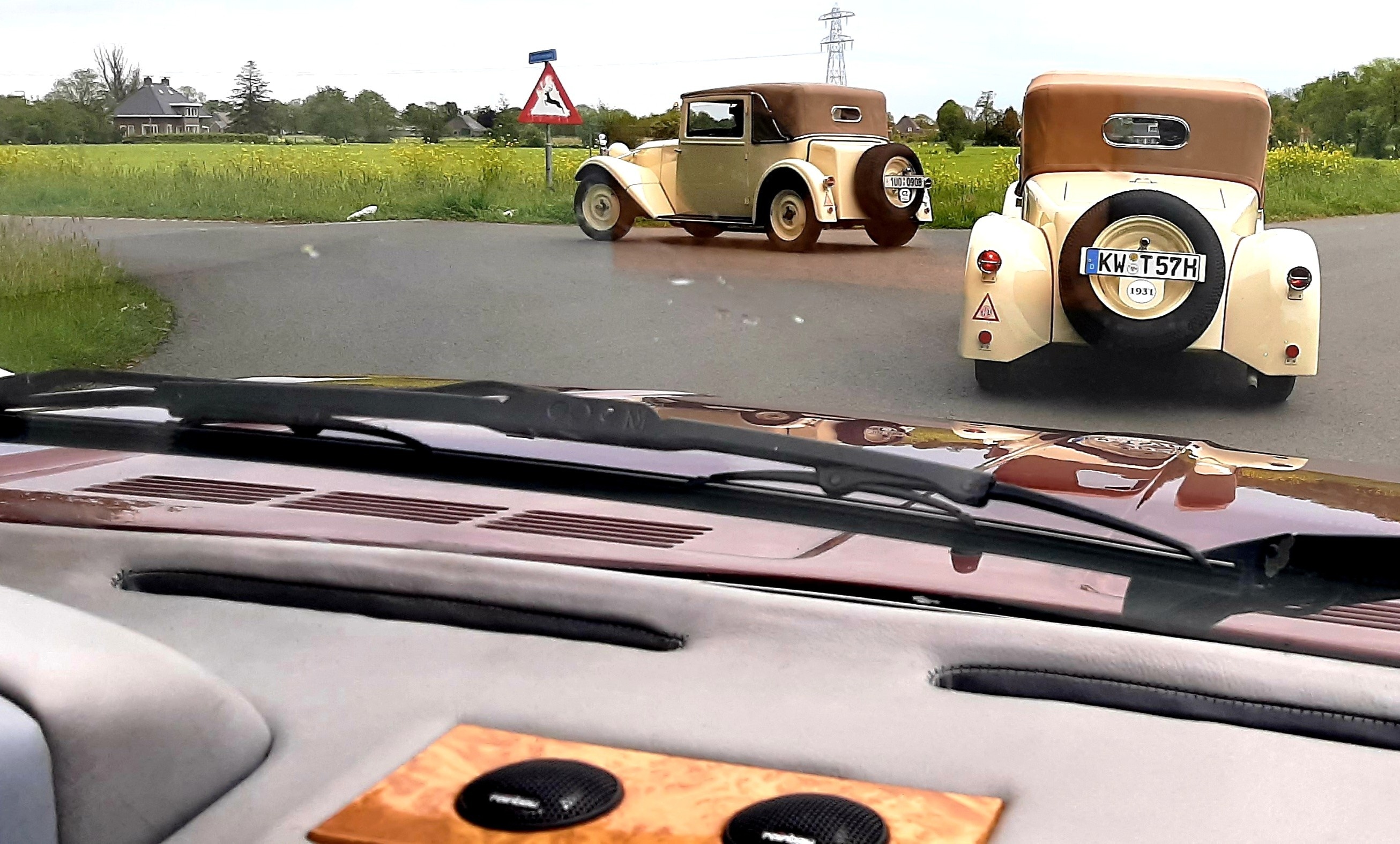
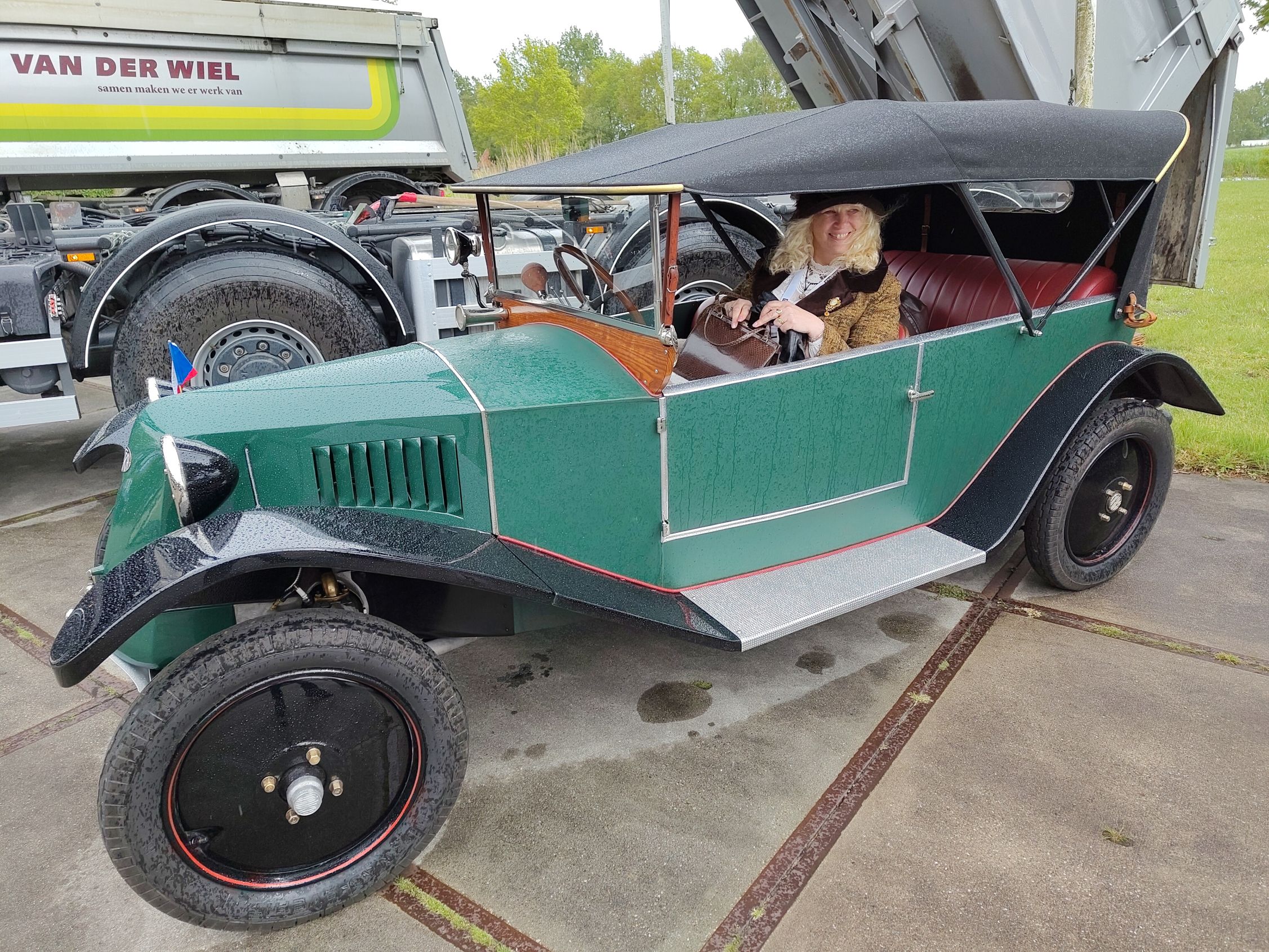
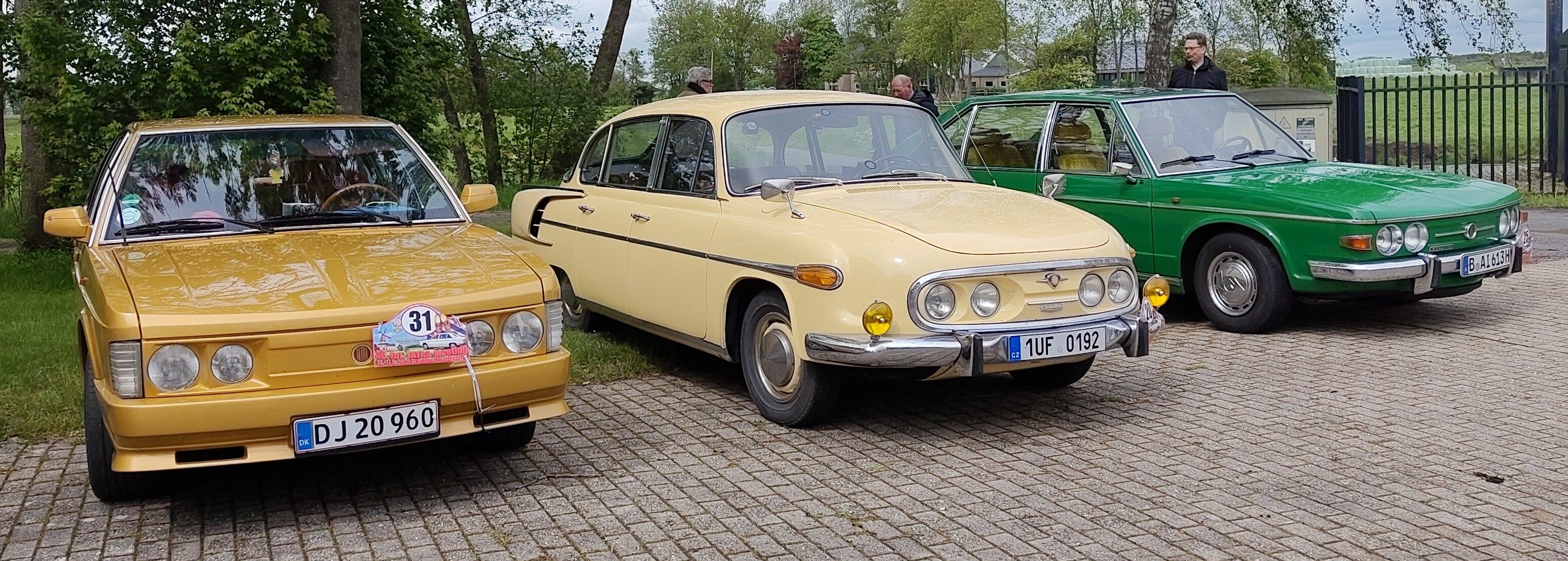
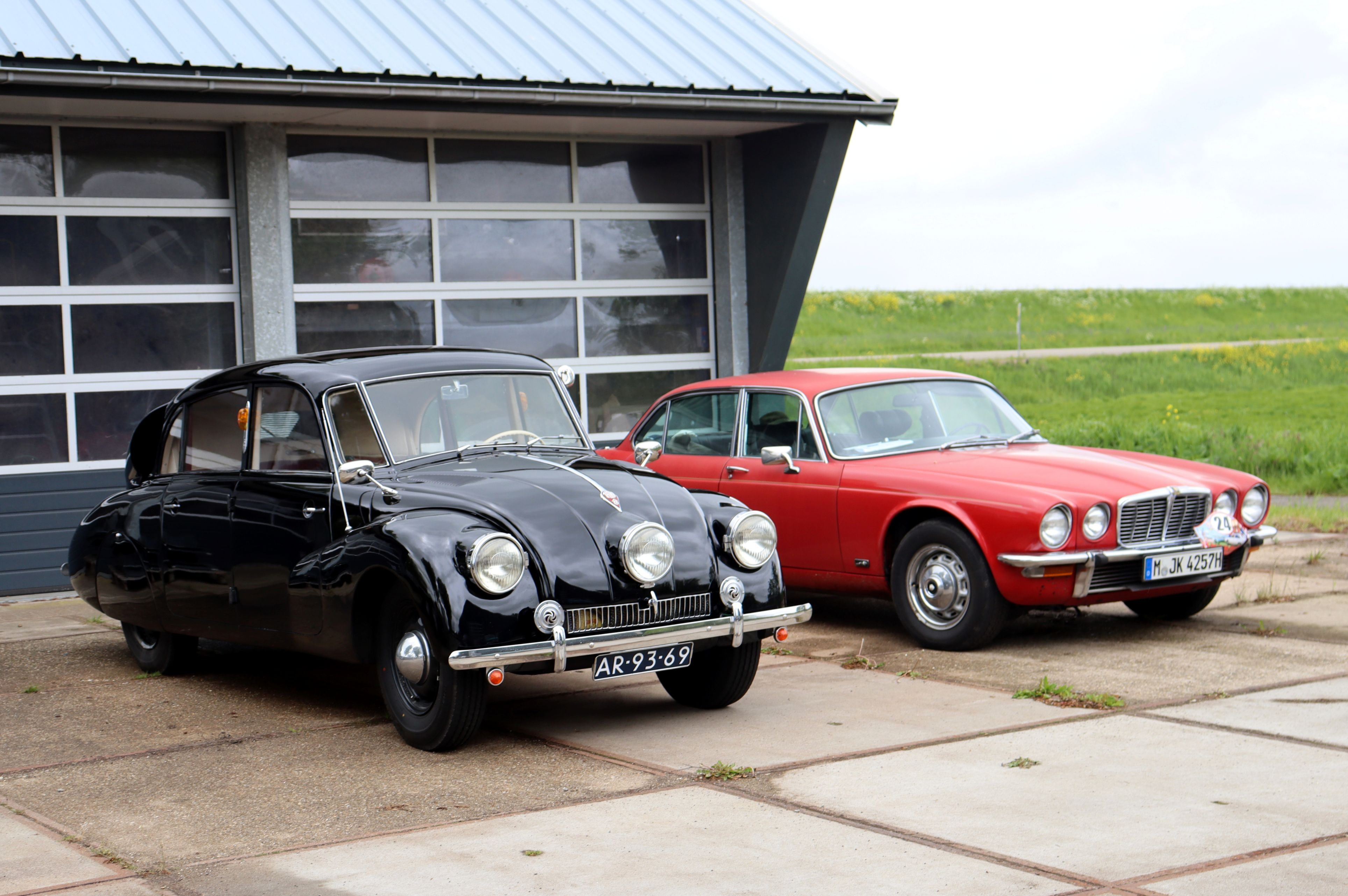
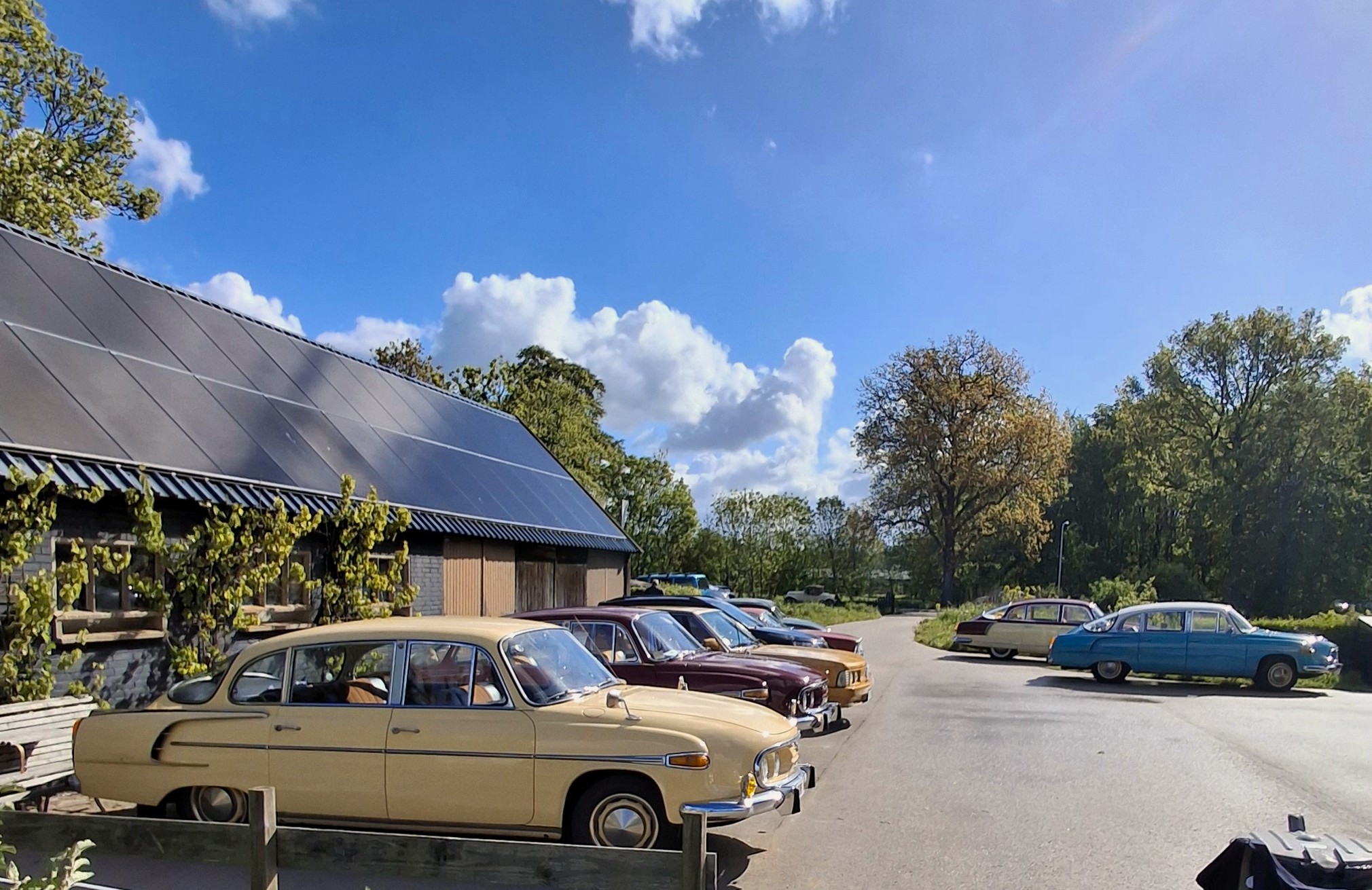
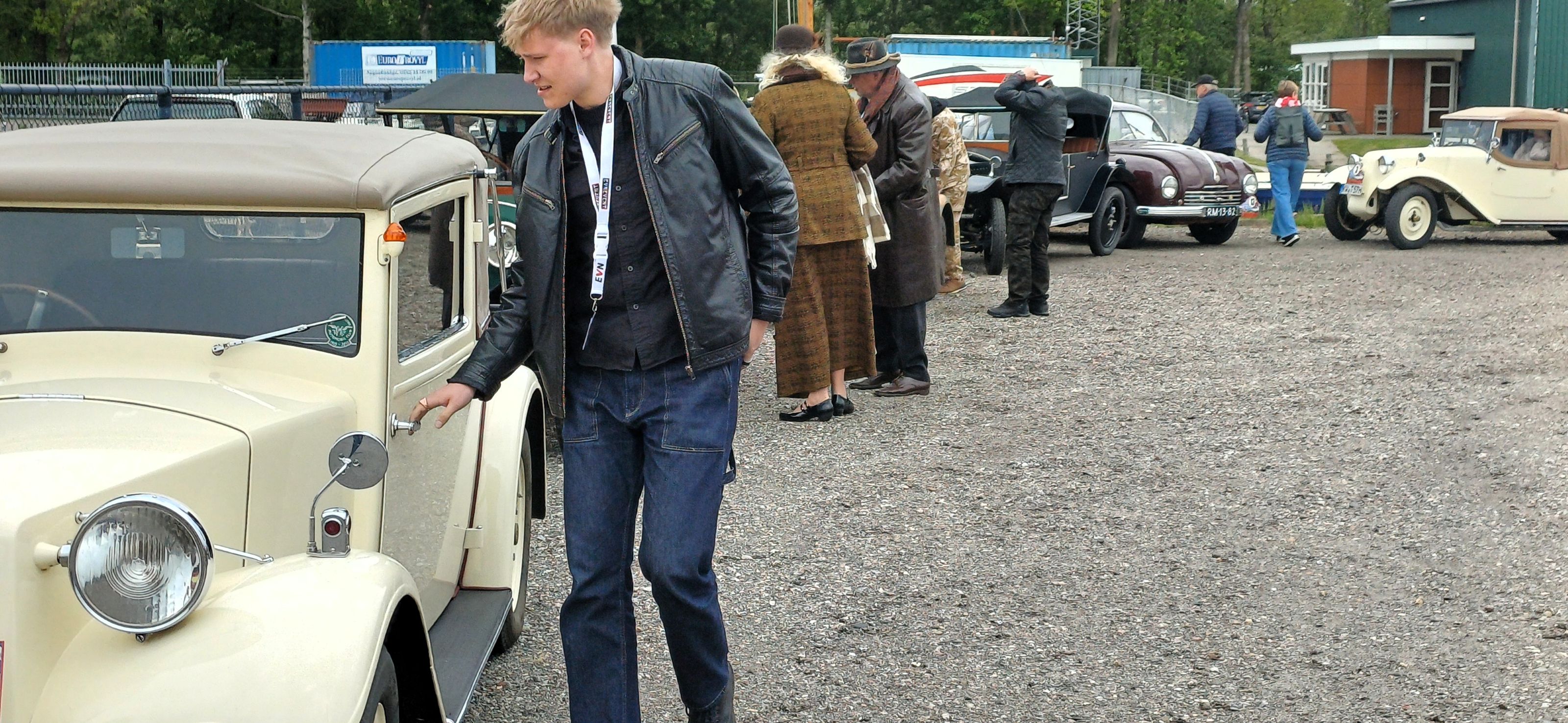
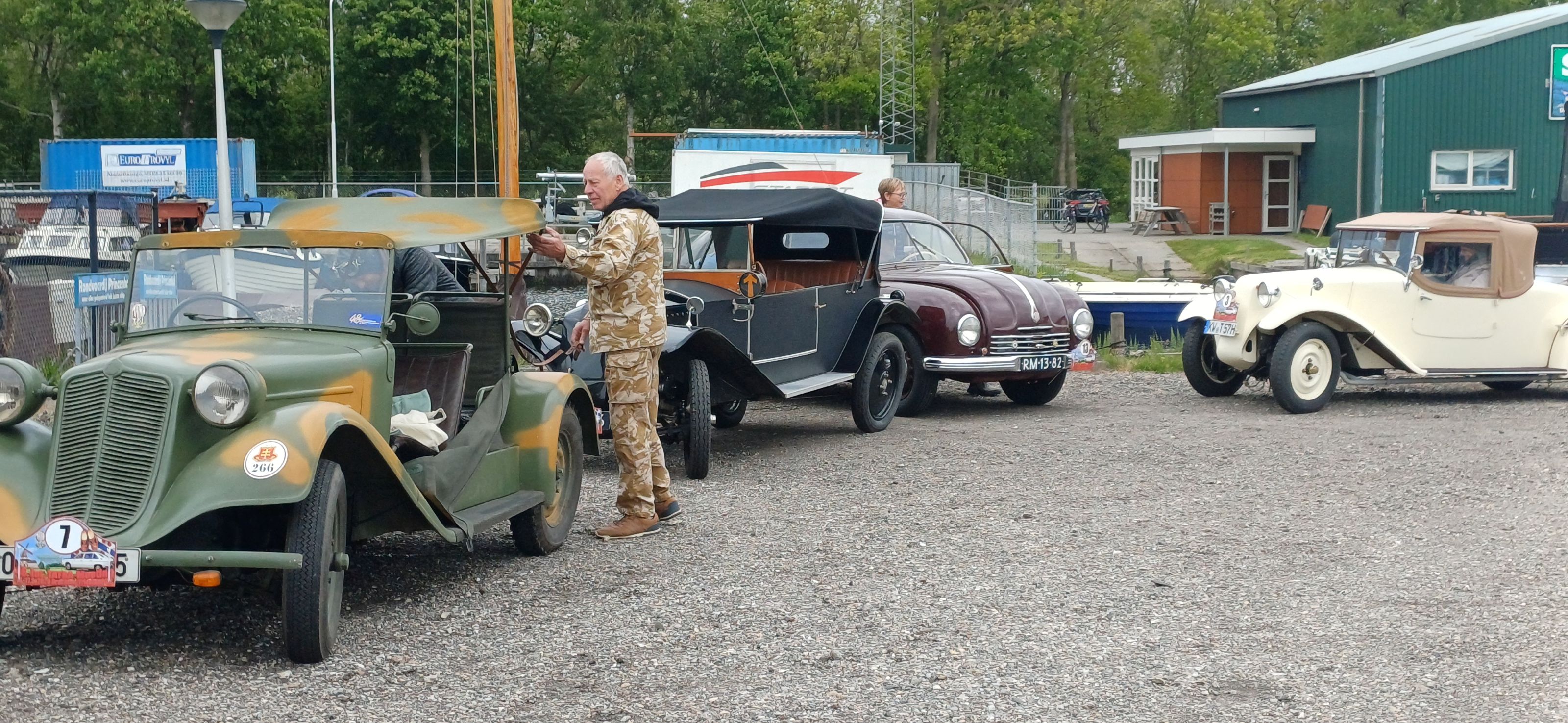
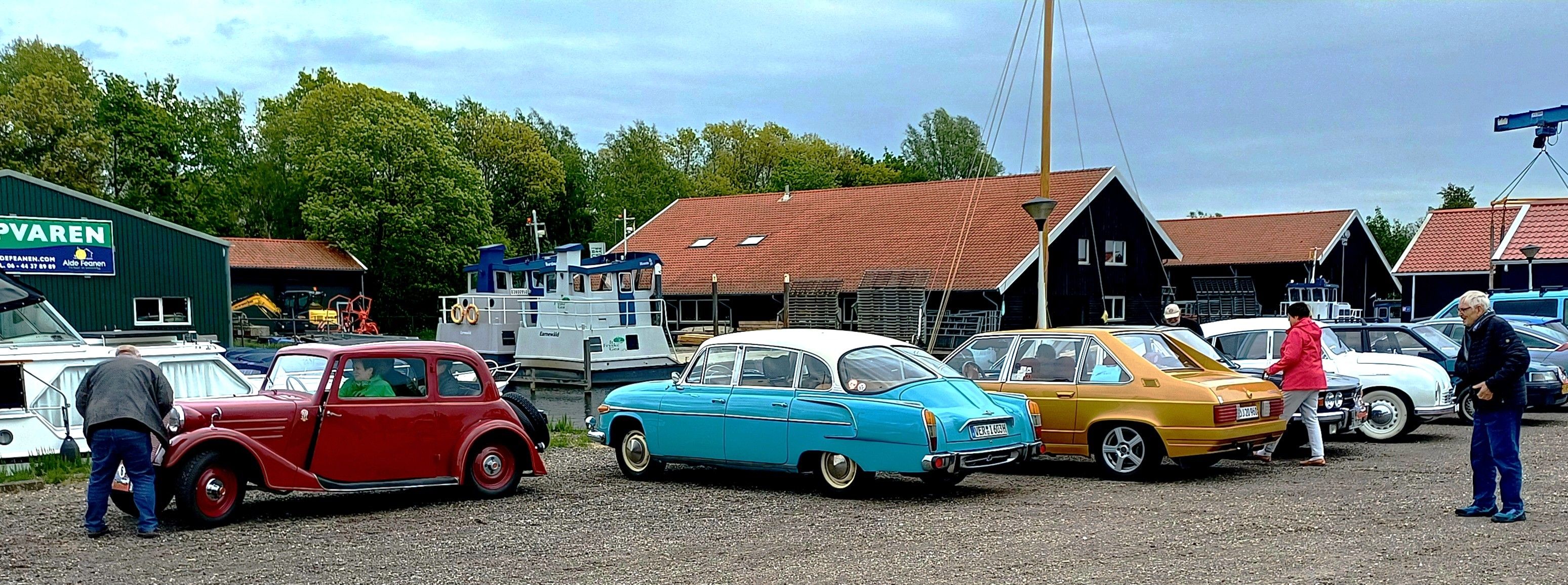
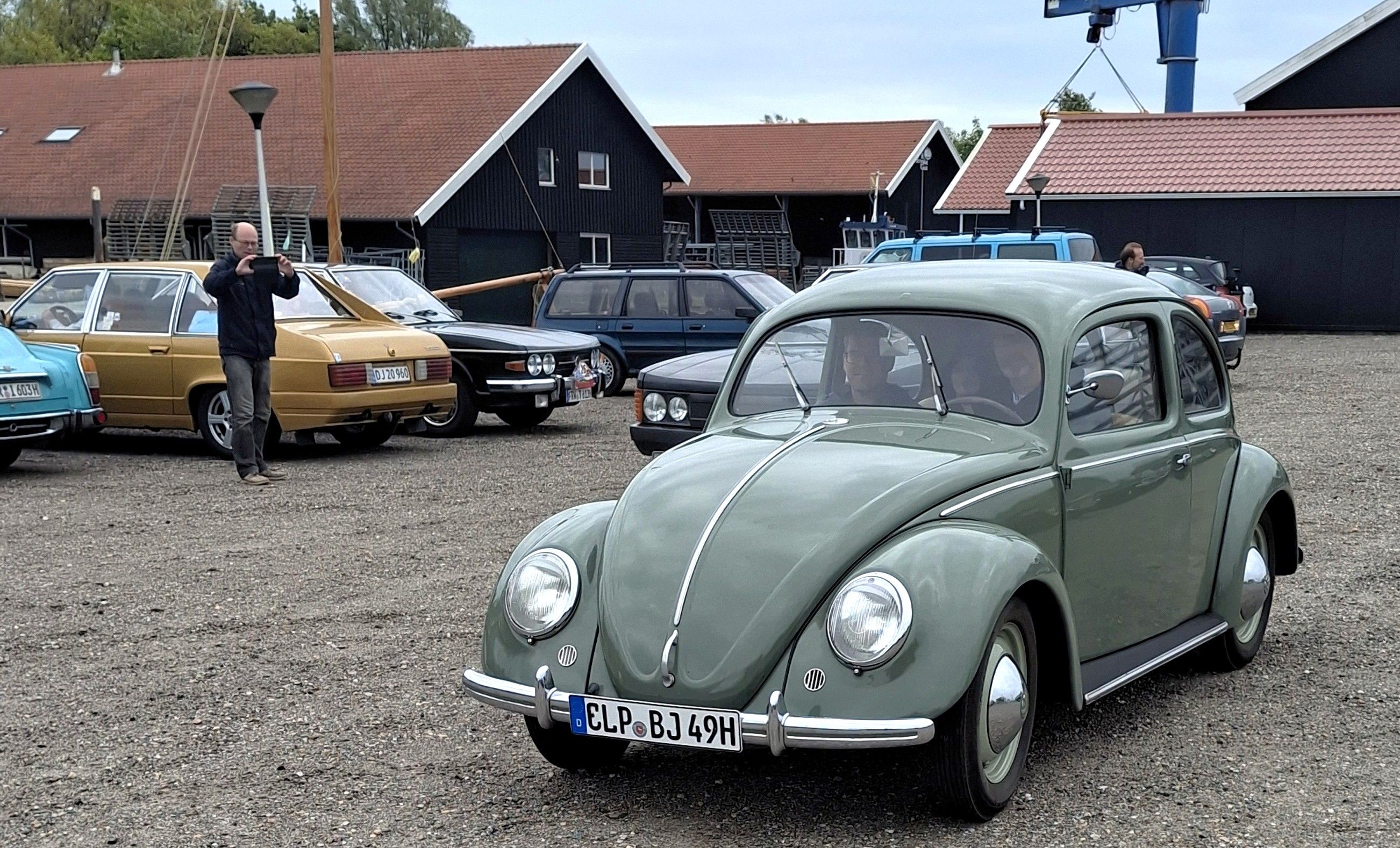
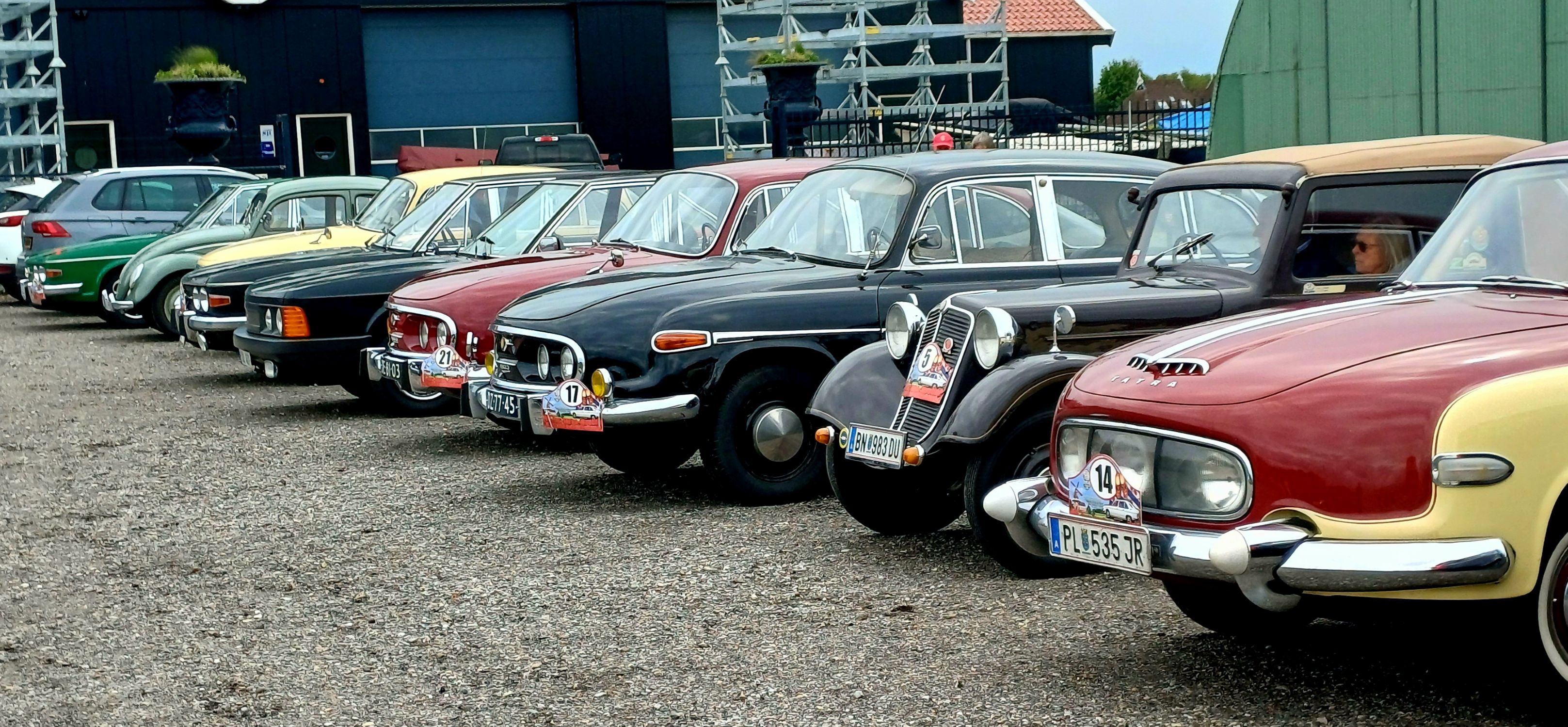
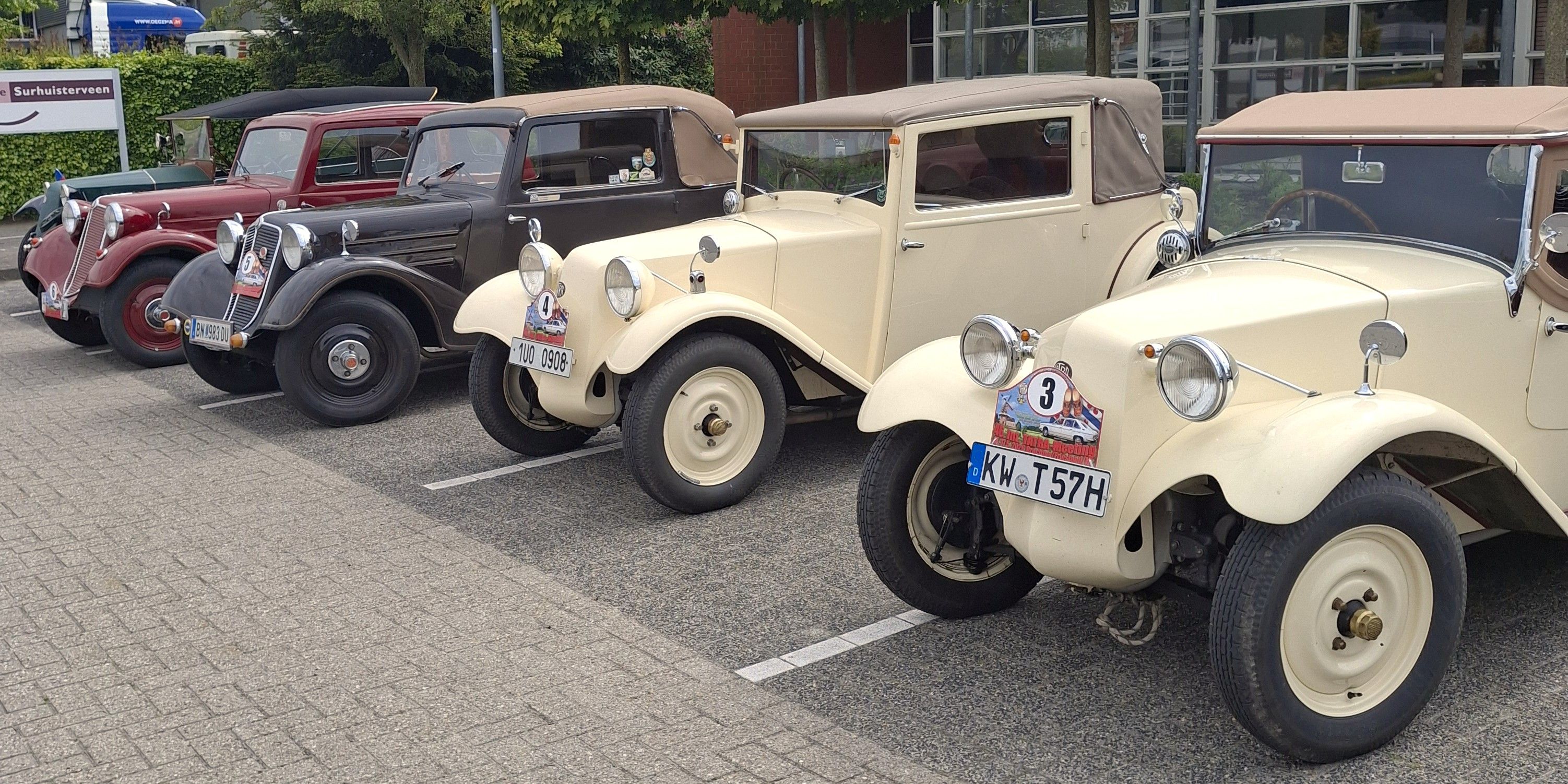
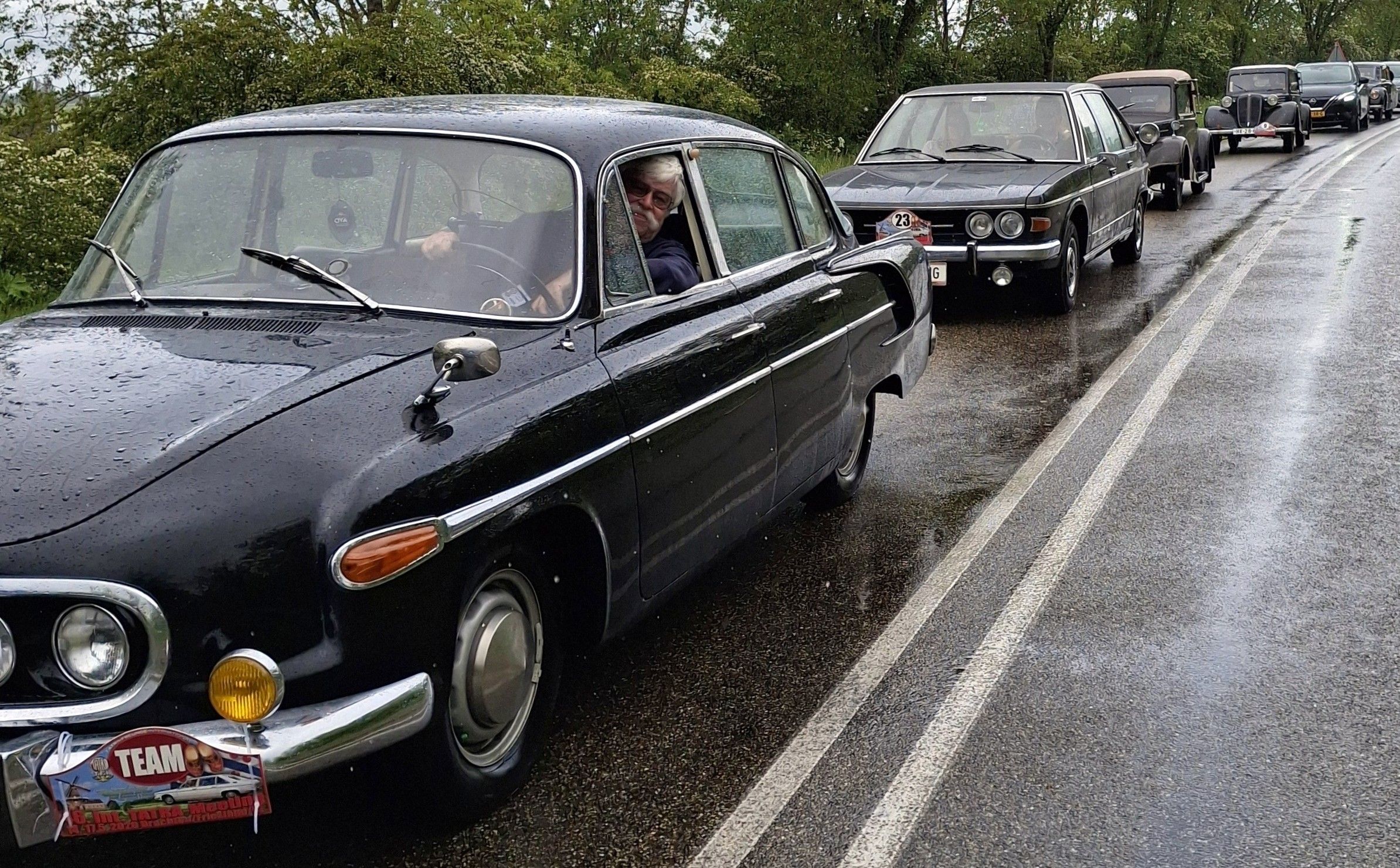
Und es kamen erfrischend viele Teilnehmer, in Summe hatten 32 Teams genannt. Die Baujahre der Fahrzeuge waren zwischen 1927 und 1990 weit gefächert. Durchaus passend ergänzt wurde der Tatra-Fuhrpark, bestehend aus den Typen T12, T57 in den verschiedensten Ausführungen, T75, T87, T600, T603 bis hin zu T613, durch einen Brezelkäfer und einen Jaguar XJ6. Leider musste ein geplanter T700 im letzten Moment gegen ein Alltagsauto getauscht werden, doch auch so war das Starterfeld bunt genug.
Místem setkání a výchozím bodem výletů byl hotel Van Der Valk v Drachtenu, který všem účastníkům, kteří se včas přihlásili, nabídl dostatek pokojů, ale také potřebné prostory pro společná jídla a večerní posezení.
Účastníků se sešlo příjemně mnoho, celkem se přihlásilo 32 týmů. Roky výroby vozidel se pohybovaly v širokém rozmezí od roku 1927 do roku 1990. Flotilu vozidel značky Tatra, sestávající z modelů T12, T57 v nejrůznějších provedeních, T75, T87, T600, T603 až po T613, vhodně doplnil „Brezelkäfer“ a Jaguar XJ6. Bohužel musel být plánovaný model T700 na poslední chvíli vyměněn za běžné auto, ale i tak bylo startovní pole dostatečně pestré.
The meeting point and starting point for the trips was the Van Der Valk Hotel in Drachten, which provided enough rooms for all participants who had registered in good time, as well as the necessary facilities for shared meals and evening gatherings.
And there was a refreshingly large turnout, with a total of 32 teams having registered. The vehicles spanned a wide range of model years, from 1927 to 1990. The Tatra fleet – comprising the T12, T57 in a wide variety of versions, T75, T87, T600, T603 and right up to the T613 – was complemented quite fittingly by a ‘Brezelkäfer’ and a Jaguar XJ6. Unfortunately, a planned T700 had to be swapped for an everyday car at the last minute, but even so, the starting line-up was colourful enough.
Il punto di ritrovo e di partenza delle escursioni era l’Hotel Van Der Valk a Drachten, che ha offerto a tutti i partecipanti che si erano iscritti per tempo camere a sufficienza, ma anche gli spazi necessari per i pasti e le serate in compagnia.
E i partecipanti sono stati davvero numerosi: in totale si sono iscritte 32 squadre. Gli anni di costruzione dei veicoli variavano ampiamente, dal 1927 al 1990. La flotta Tatra, composta dai modelli T12, T57 nelle più svariate versioni, T75, T87, T600, T603 fino al T613, è stata opportunamente integrata da un «Brezelkäfer» e da una Jaguar XJ6. Purtroppo, una T700 prevista per la gara ha dovuto essere sostituita all’ultimo momento con un’auto di uso quotidiano, ma anche così la griglia di partenza era sufficientemente variegata.
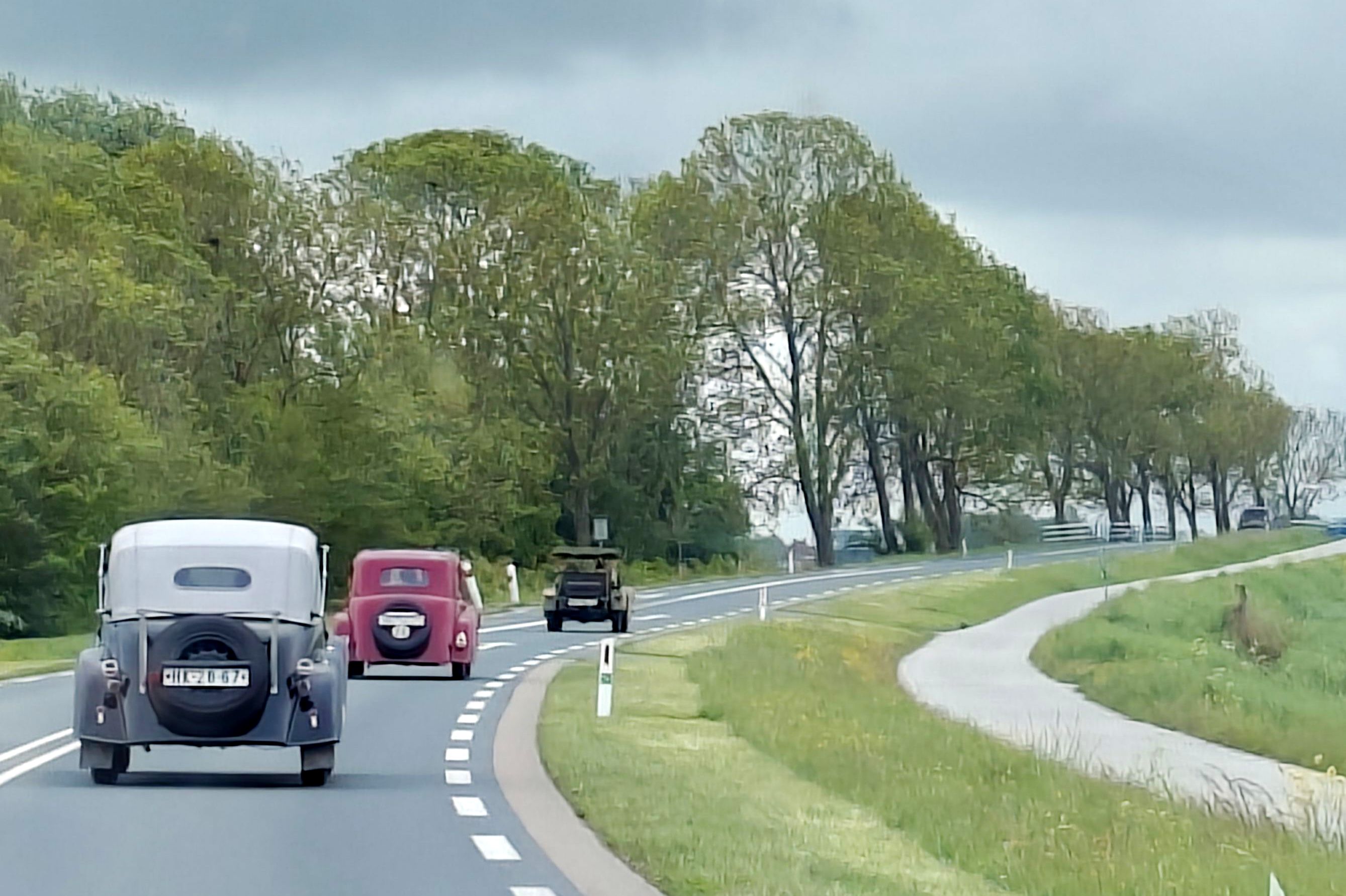
Die über Roadbook vorgegebenen Strecken waren ausnehmend ausgesucht, verkehrsarm, malerisch und – kein Wunder – völlig eben. Die Sehenswürdigkeiten - absolut sehenswert.
Trasy uvedené v roadbooku byly skvěle vybrané, s malým provozem, malebné a – což není divu – zcela rovné. Památky – rozhodně stojí za to je vidět.
The routes set out in the roadbook were exceptionally well chosen: quiet, picturesque and – unsurprisingly – completely flat. The sights were well worth seeing.
I percorsi indicati nel roadbook erano stati scelti con cura: poco trafficati, pittoreschi e – com’era prevedibile – completamente pianeggianti. Le attrazioni turistiche: assolutamente da non perdere.
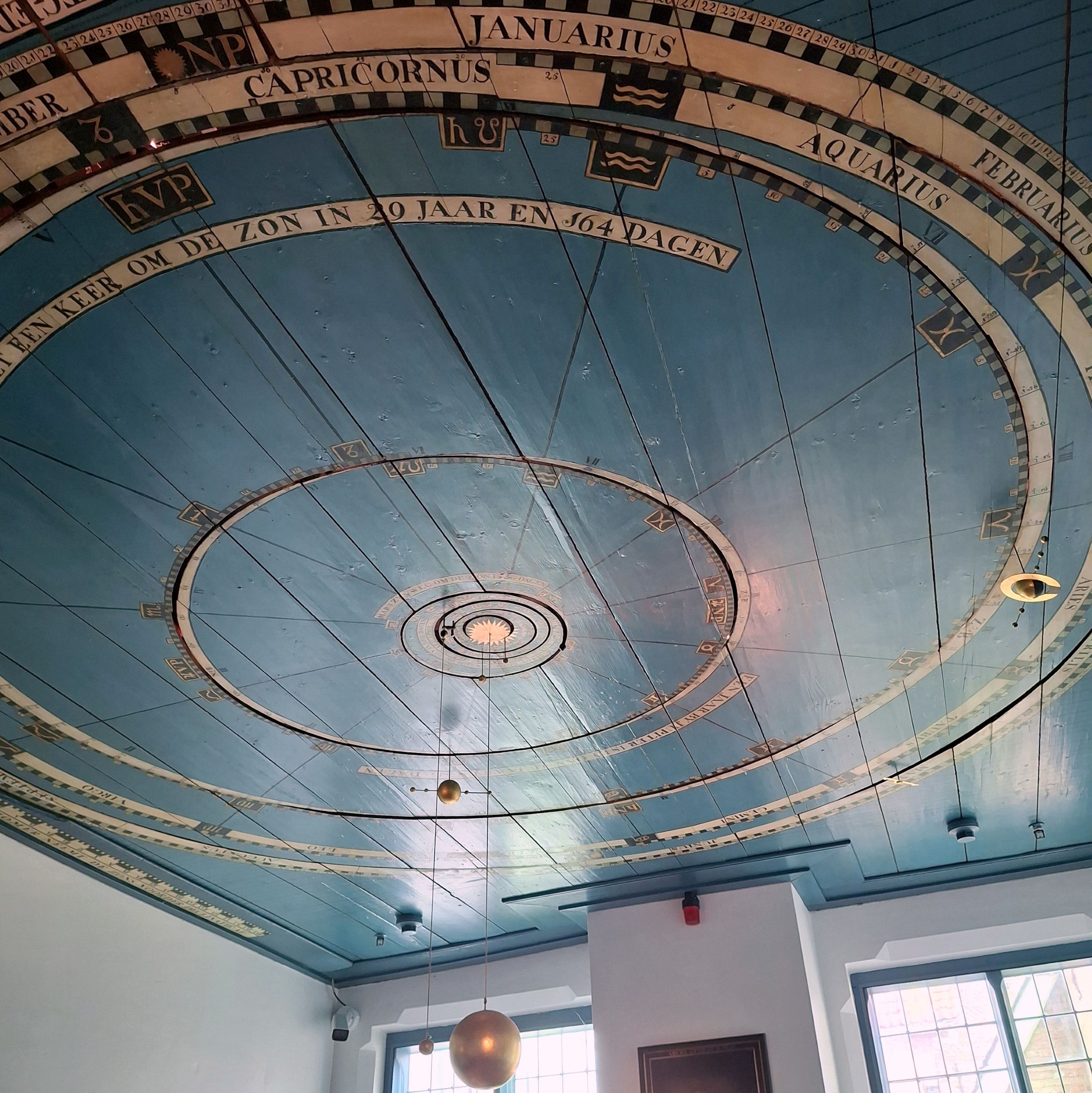
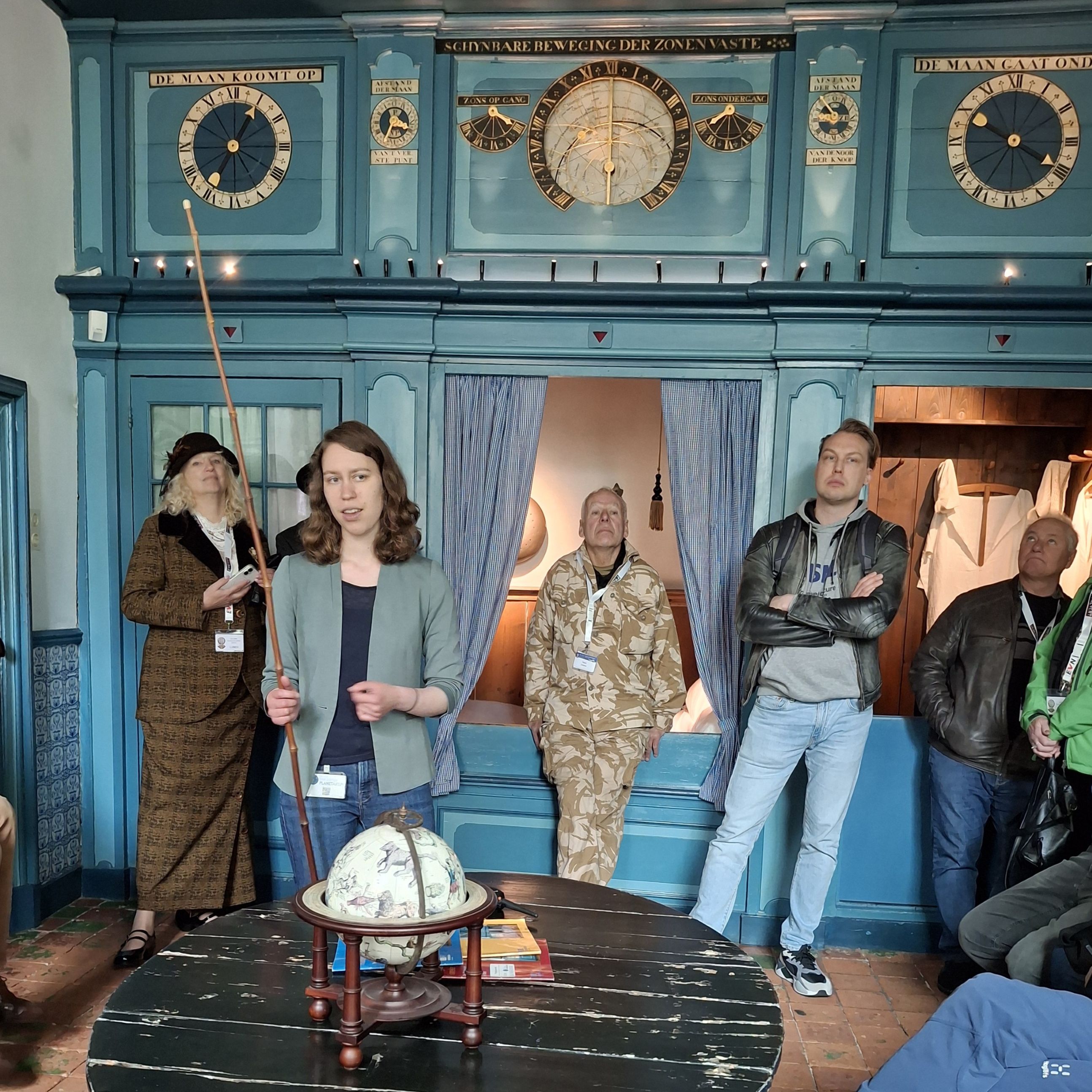
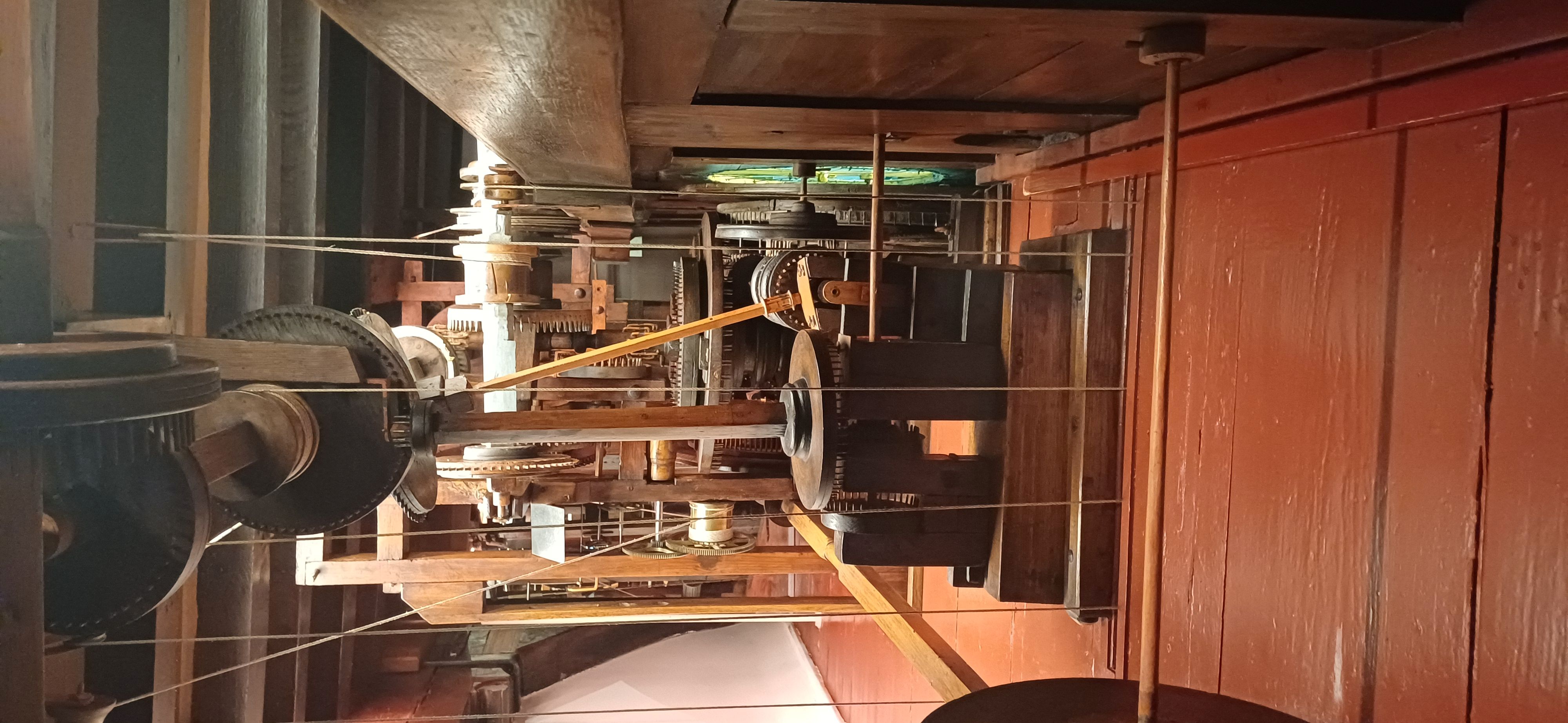
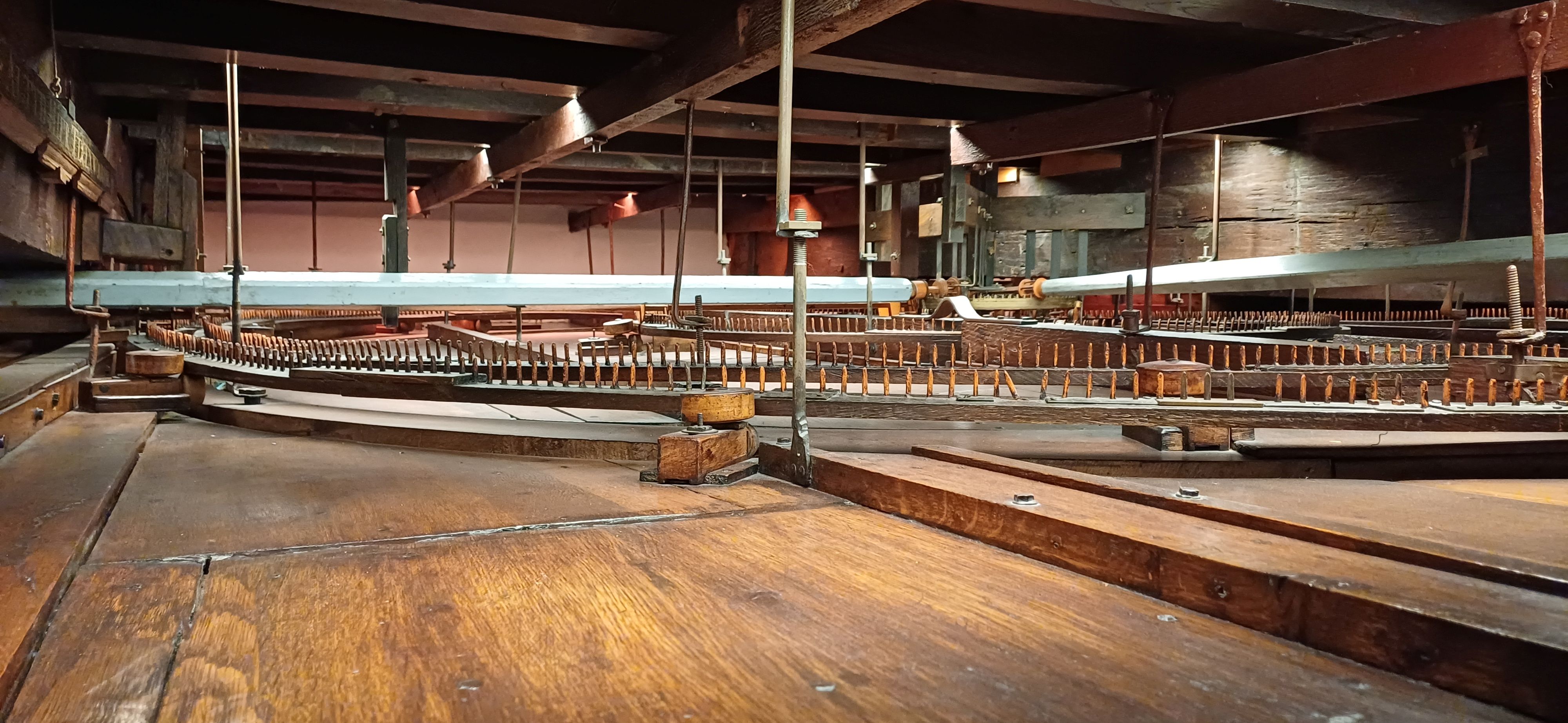
Staunend besuchten wir das älteste, bis heute durchgehend in Betrieb befindliche Planetarium der Welt, das ein Wollkämmer und Amateur-Astronom, Eise Eisinga, sich in achtjähriger Arbeit (1774 bis 1781) in seinem Wohnhaus in Franeker, einer sehr pittoresken Kleinstadt, errichtet hat. Es funktioniert rein mechanisch über Gewichte und Pendel. Das an der Decke des Wohnzimmers dargestellte, zum damaligen Zeitpunkt bekannte Planetensystem dreht sich in Echtzeit seit damals absolut präzise um die Sonne im Zentrum.
S úžasem jsme navštívili nejstarší planetárium na světě, které je dodnes nepřetržitě v provozu a které si za osm let práce (1774 až 1781) vybudoval ve svém domě ve Franekeru, velmi malebném městečku, česáček vlny a amatérský astronom Eise Eisinga. Funguje čistě mechanicky pomocí závaží a kyvadla. Planetární soustava známa v té době, znázorněná na stropě obývacího pokoje, se od té doby v reálném čase naprosto přesně otáčí kolem Slunce v centru.
In awe, we visited the world’s oldest planetarium still in continuous operation today, which a wool combing craftsman and amateur astronomer, Eise Eisinga, built over eight years (1774 to 1781) in his home in Franeker, a very picturesque little town. It operates purely mechanically using weights and pendulums. The planetary system depicted on the living room ceiling – as it was understood at the time – has been rotating with absolute precision in real time around the sun at the centre ever since.
Con grande stupore abbiamo visitato il planetario più antico del mondo ancora in funzione, realizzato da Eise Eisinga, cardatore di lana e astronomo dilettante, in otto anni di lavoro (dal 1774 al 1781) nella sua abitazione a Franeker, una cittadina molto pittoresca. Funziona in modo puramente meccanico tramite pesi e pendoli. Il sistema planetario raffigurato sul soffitto del salotto, quello conosciuto all’epoca, ruota in tempo reale e con assoluta precisione attorno al Sole al centro.
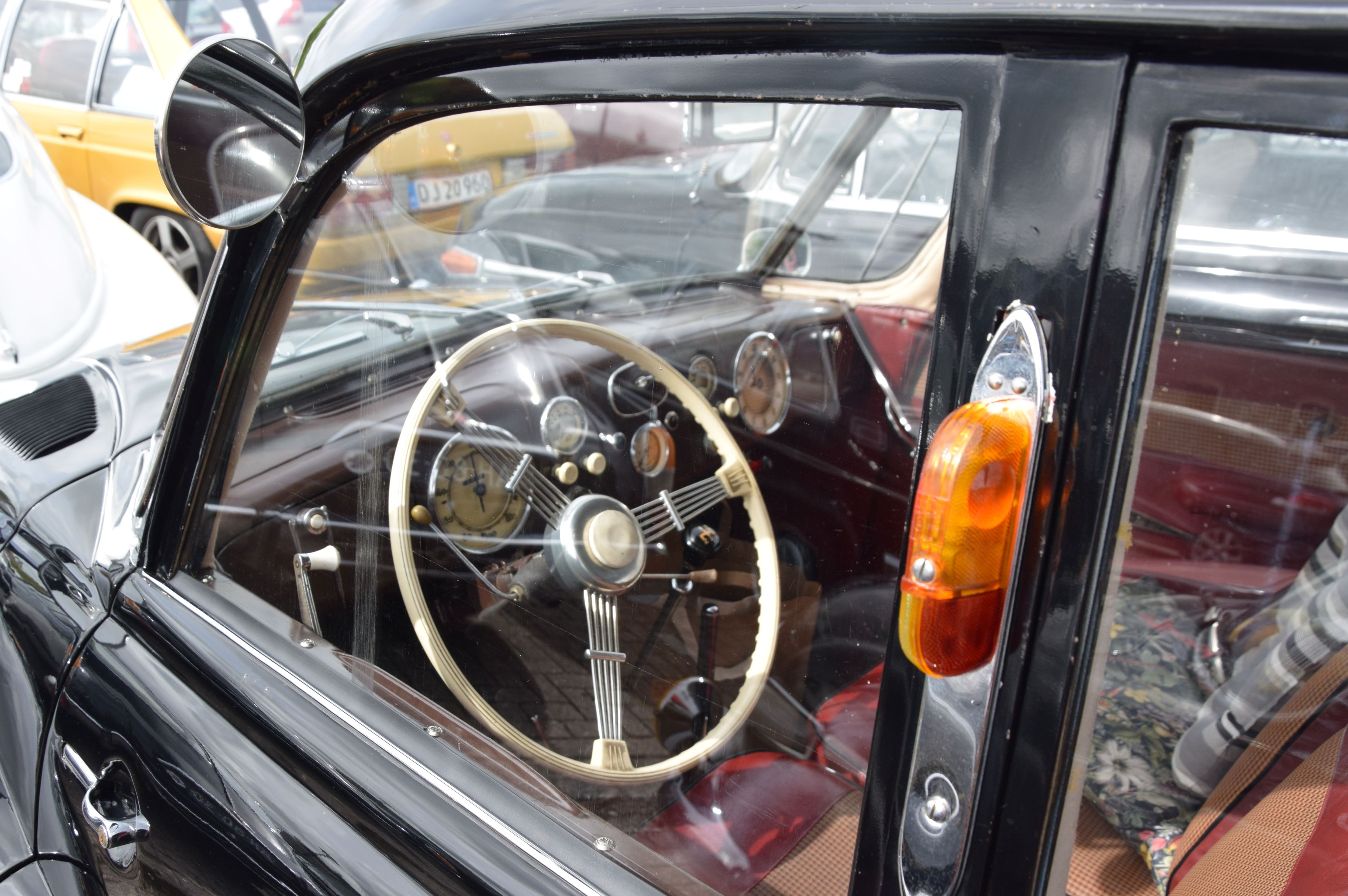
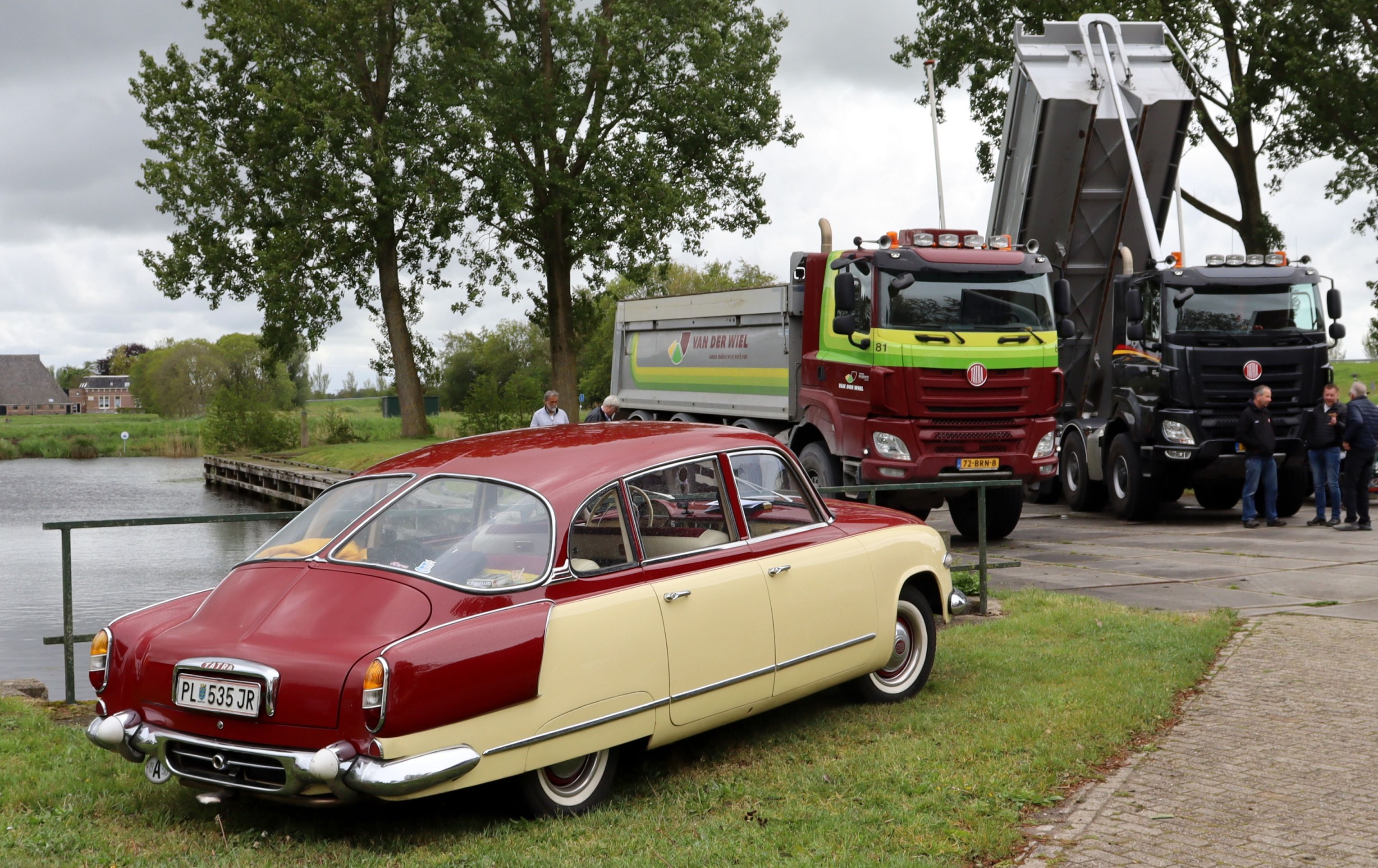
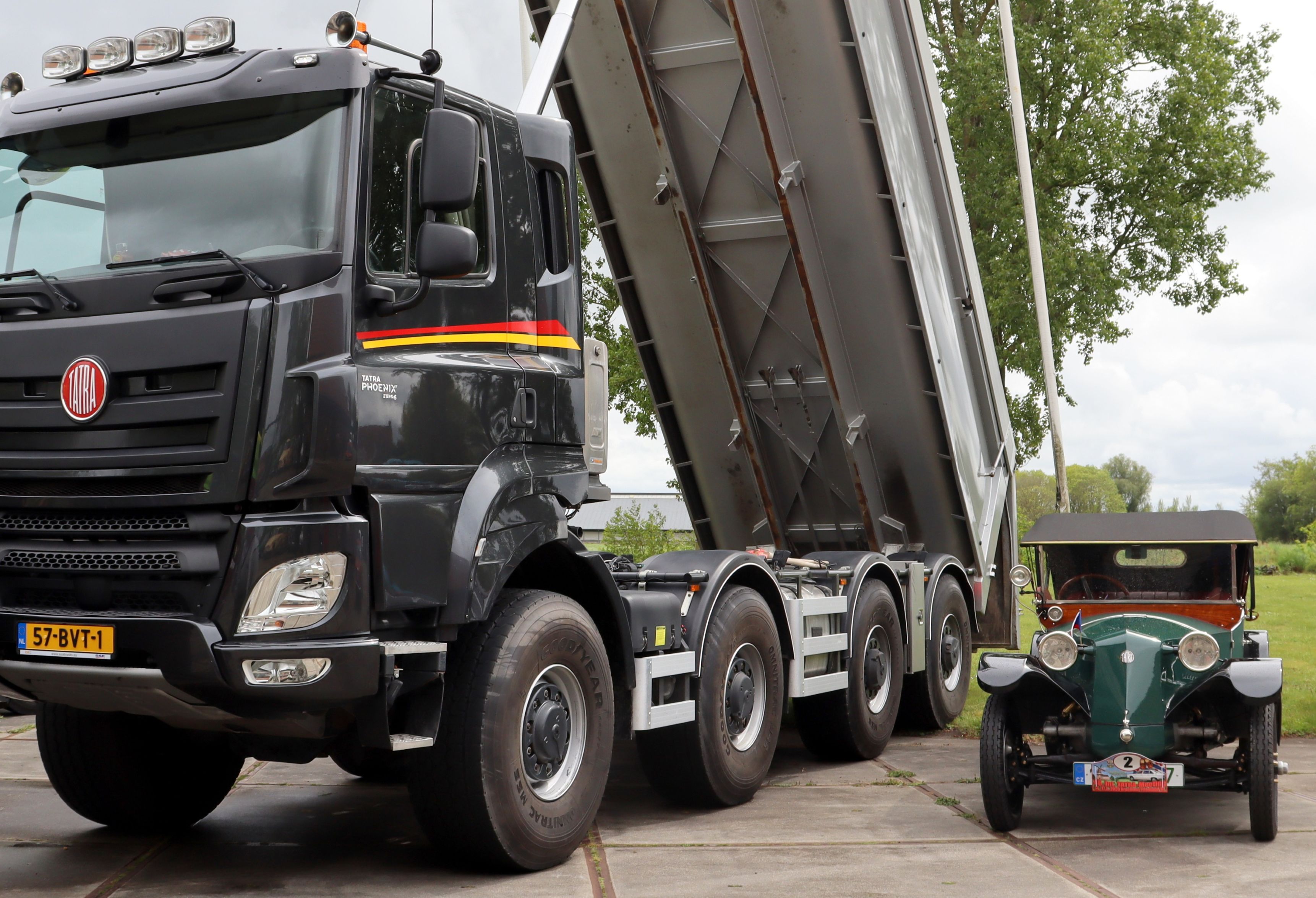
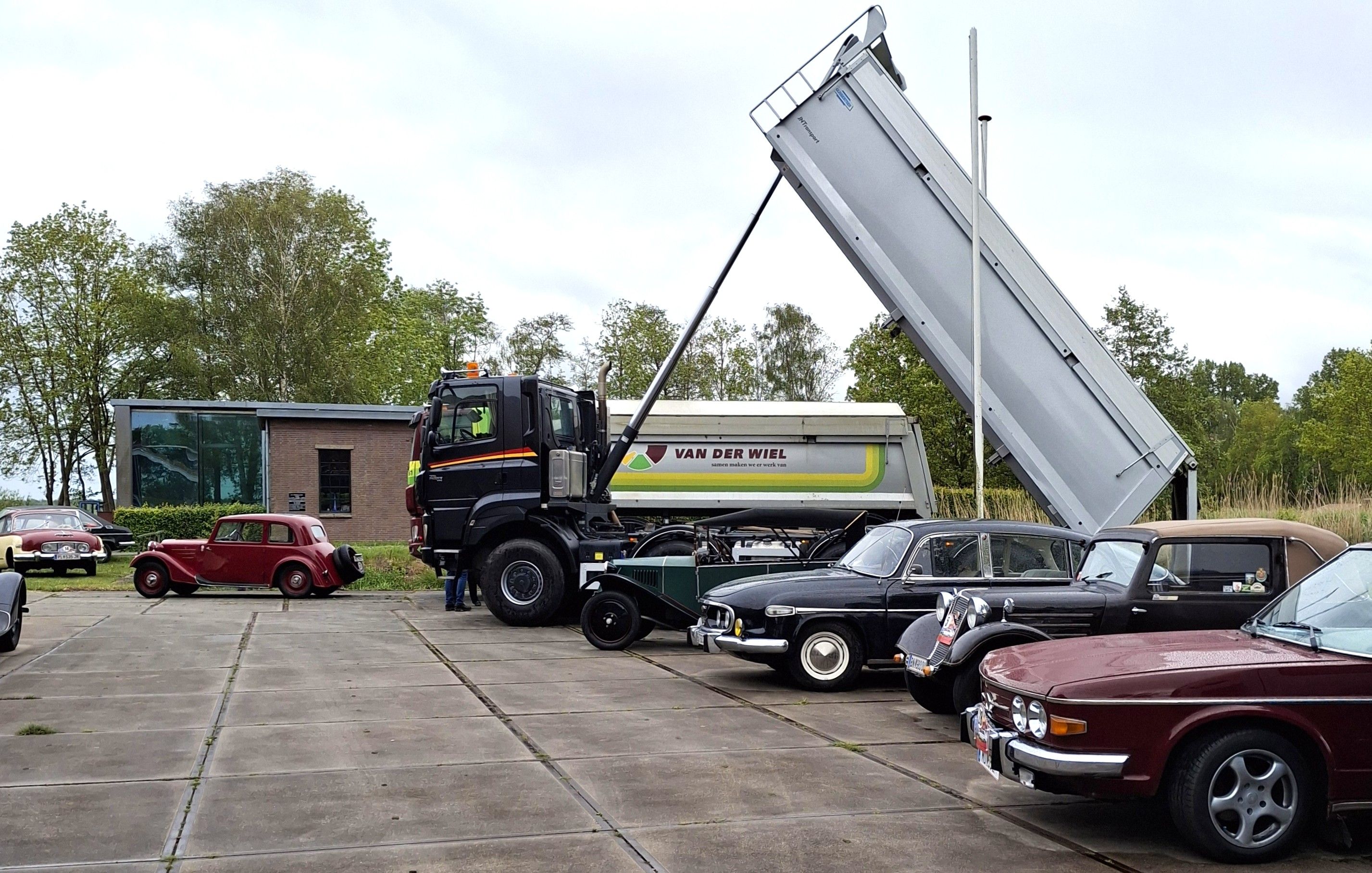
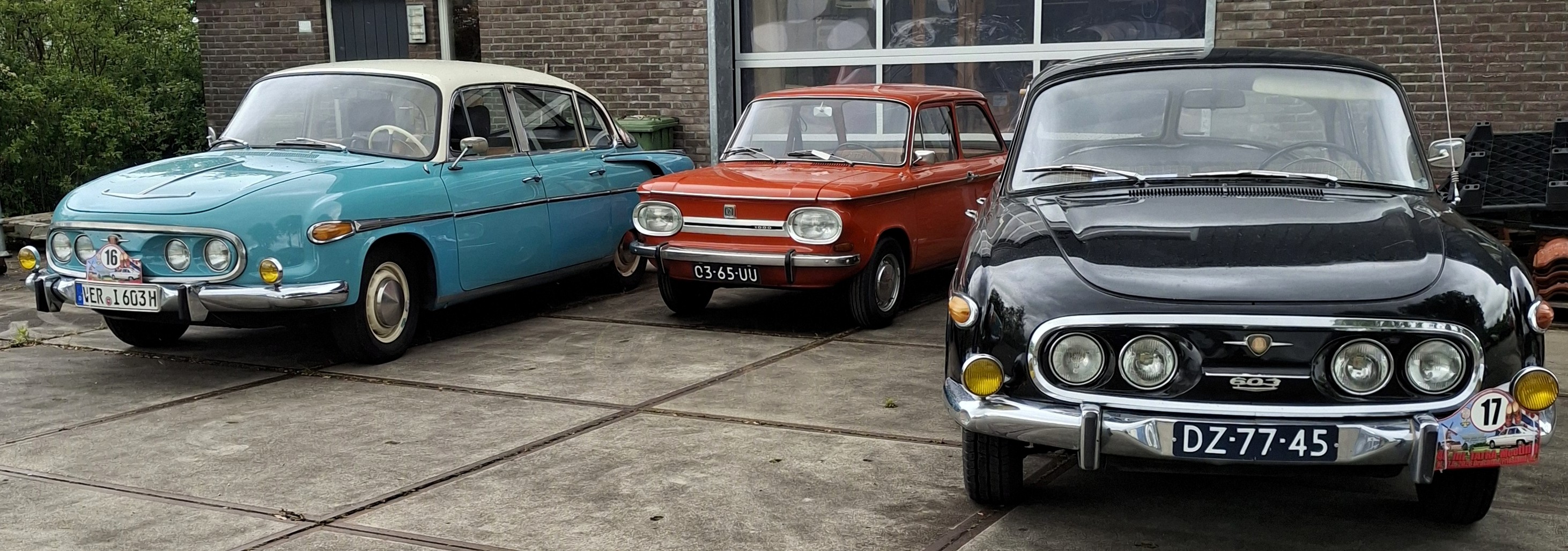
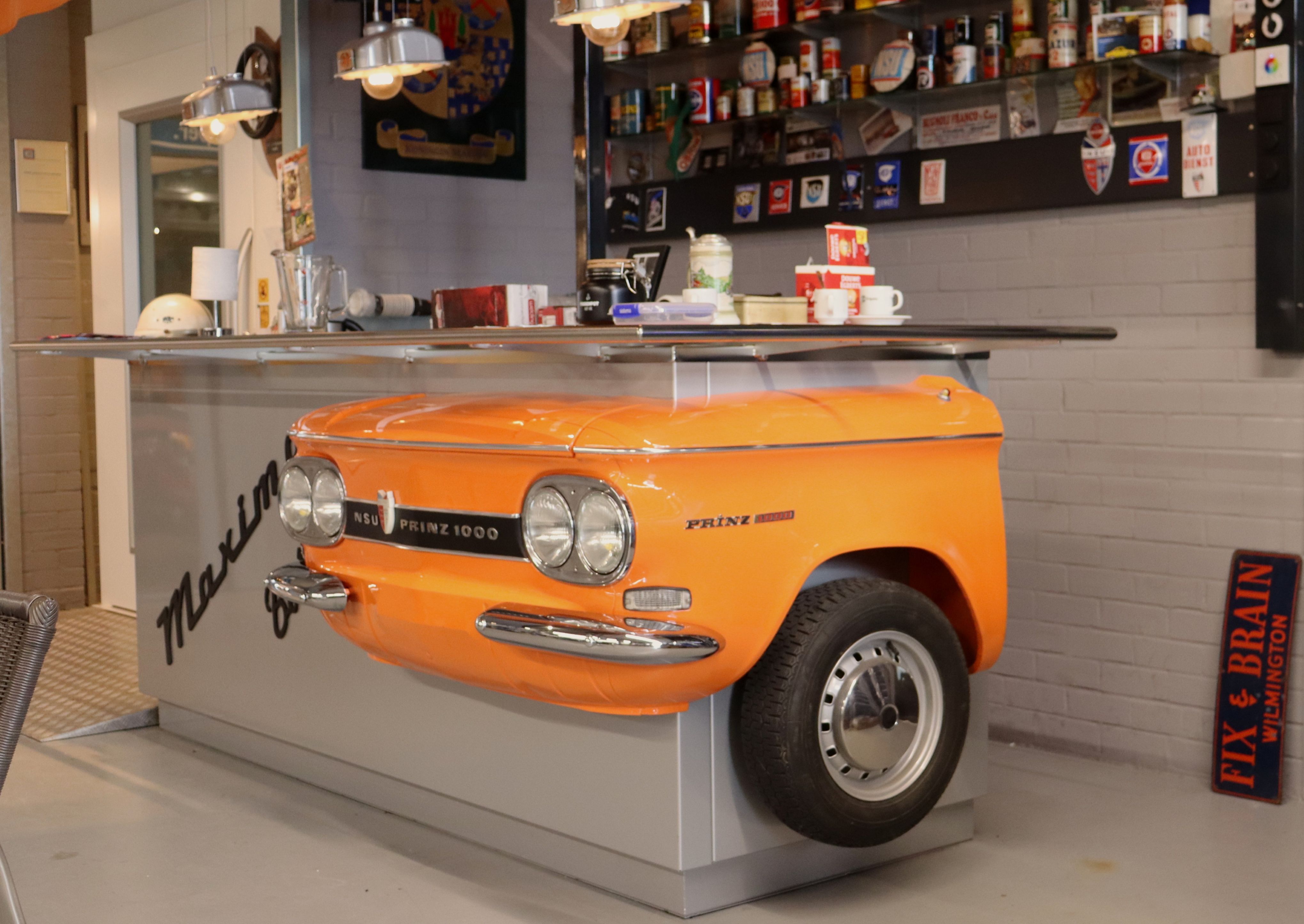
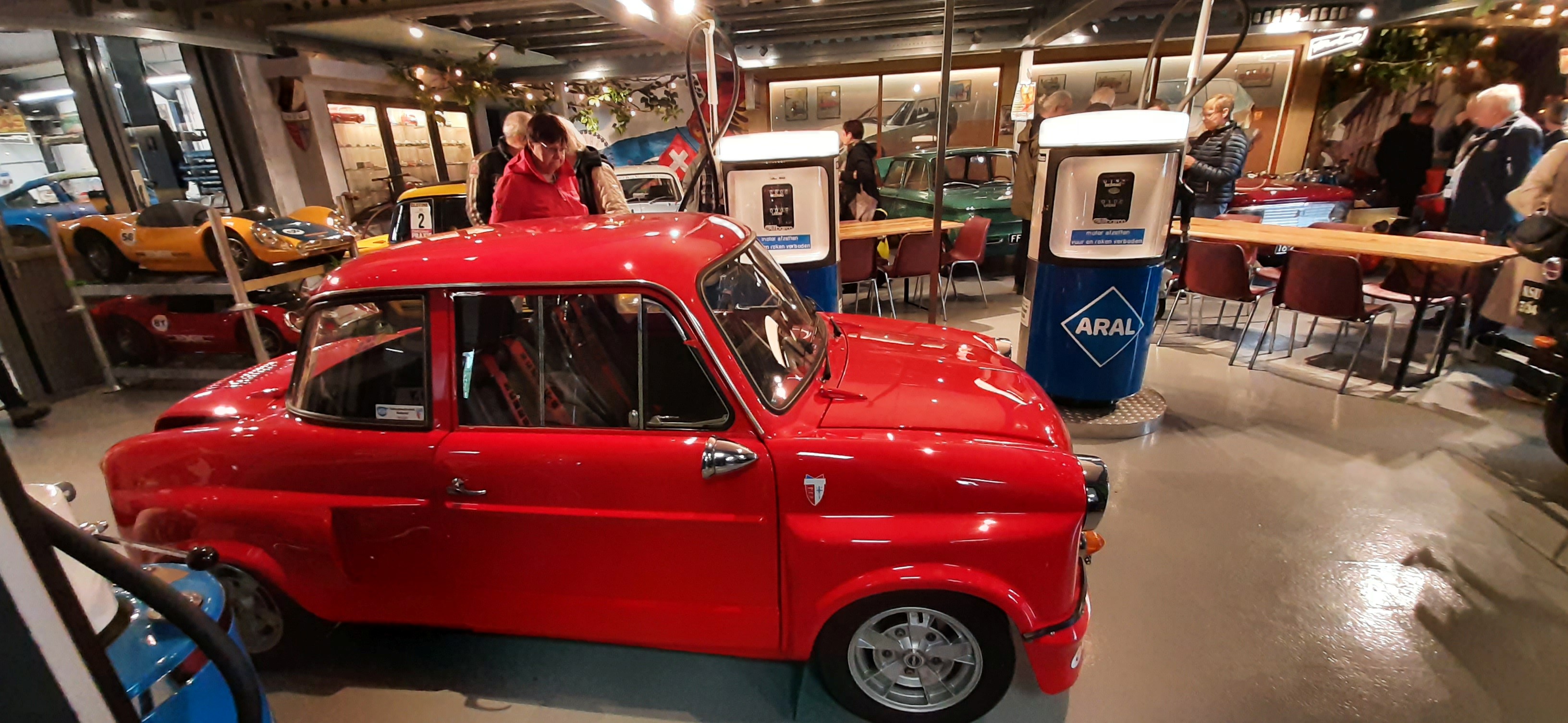
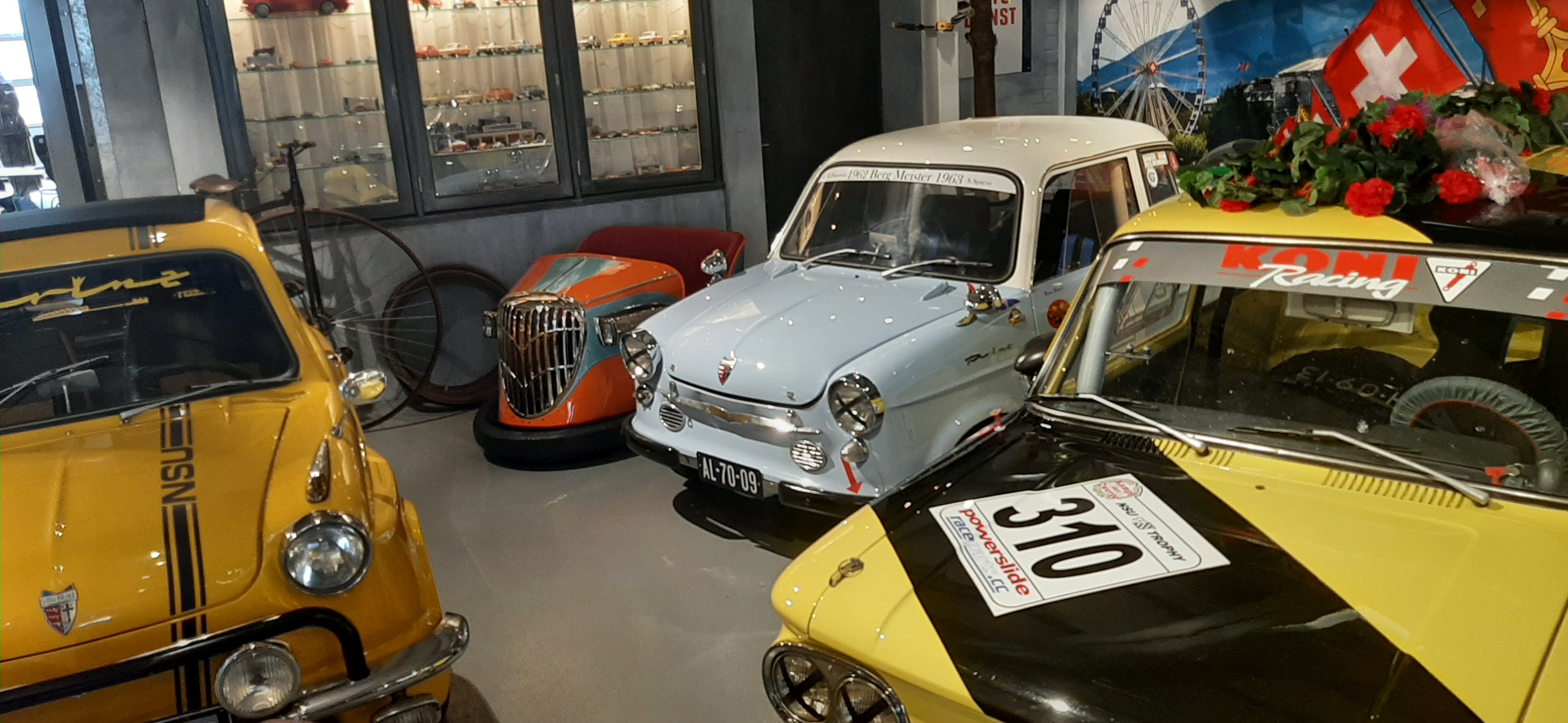
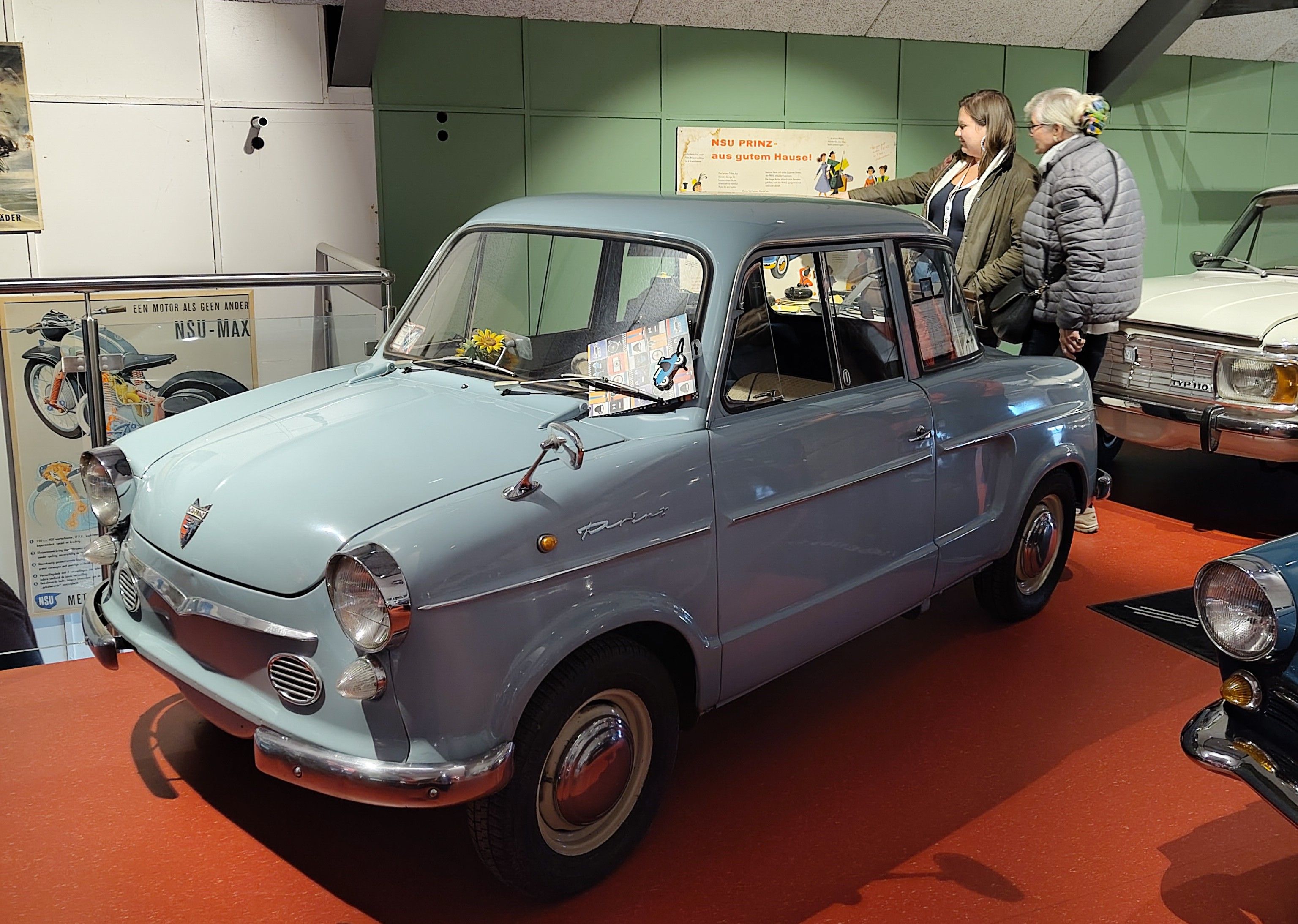
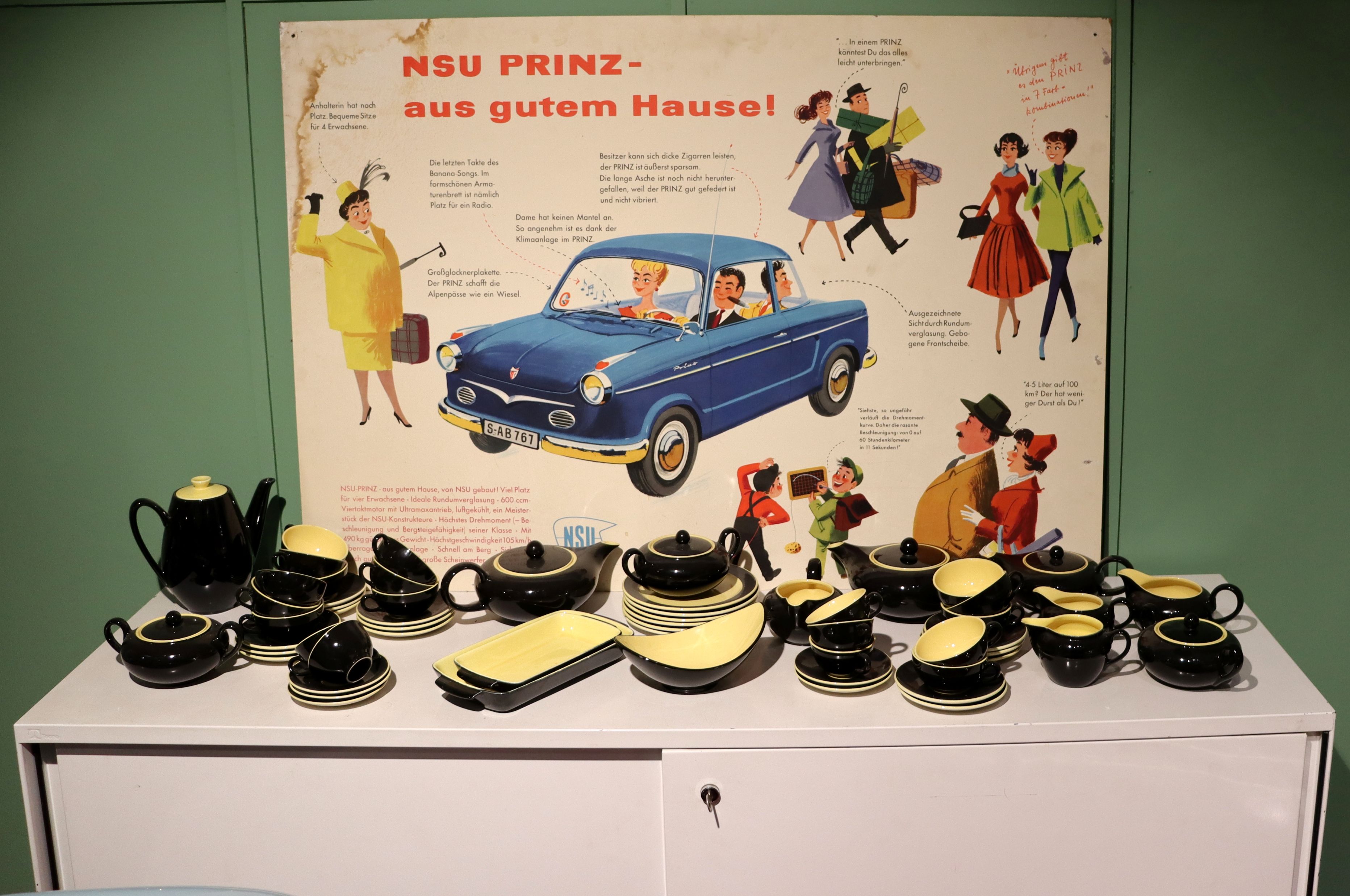
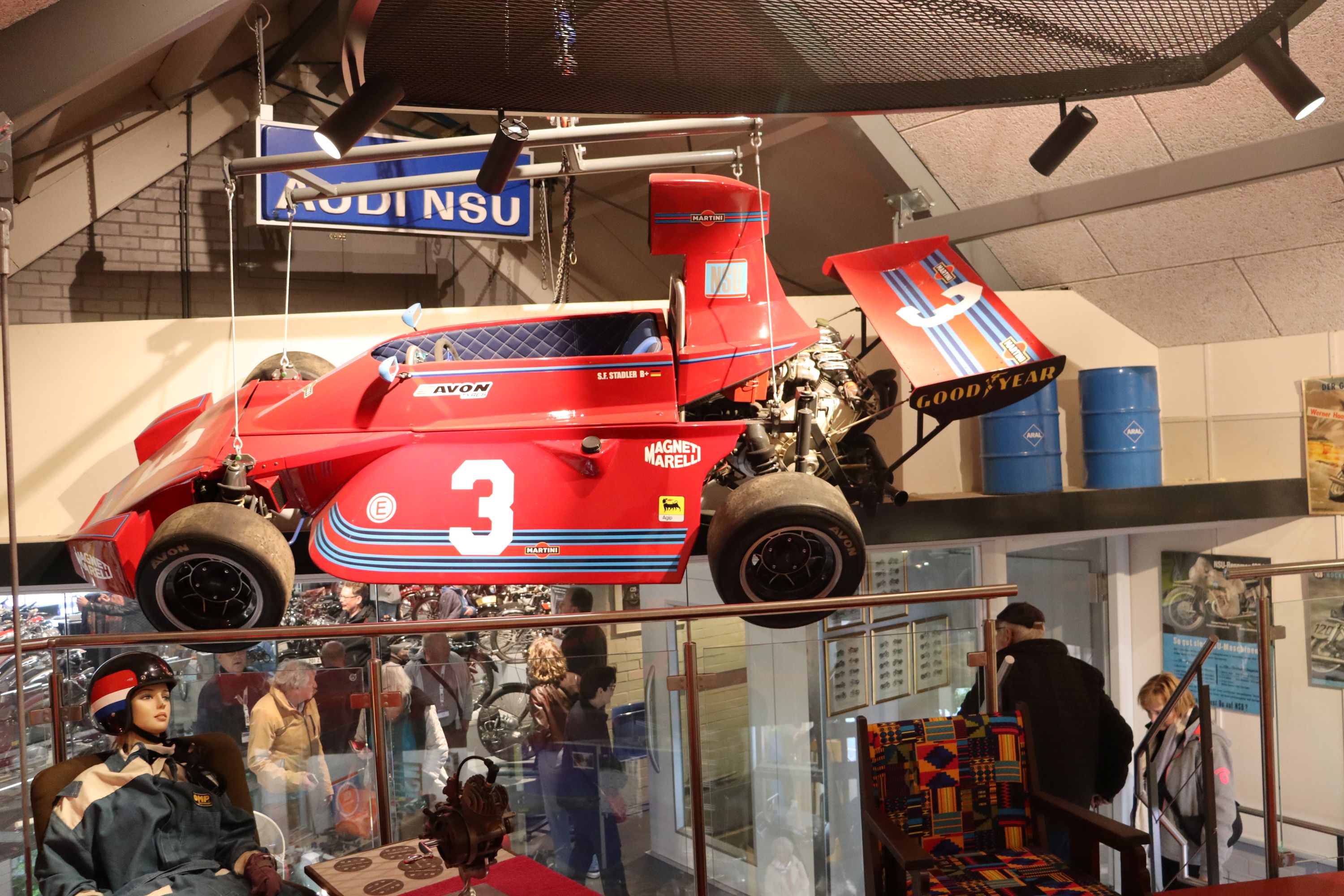
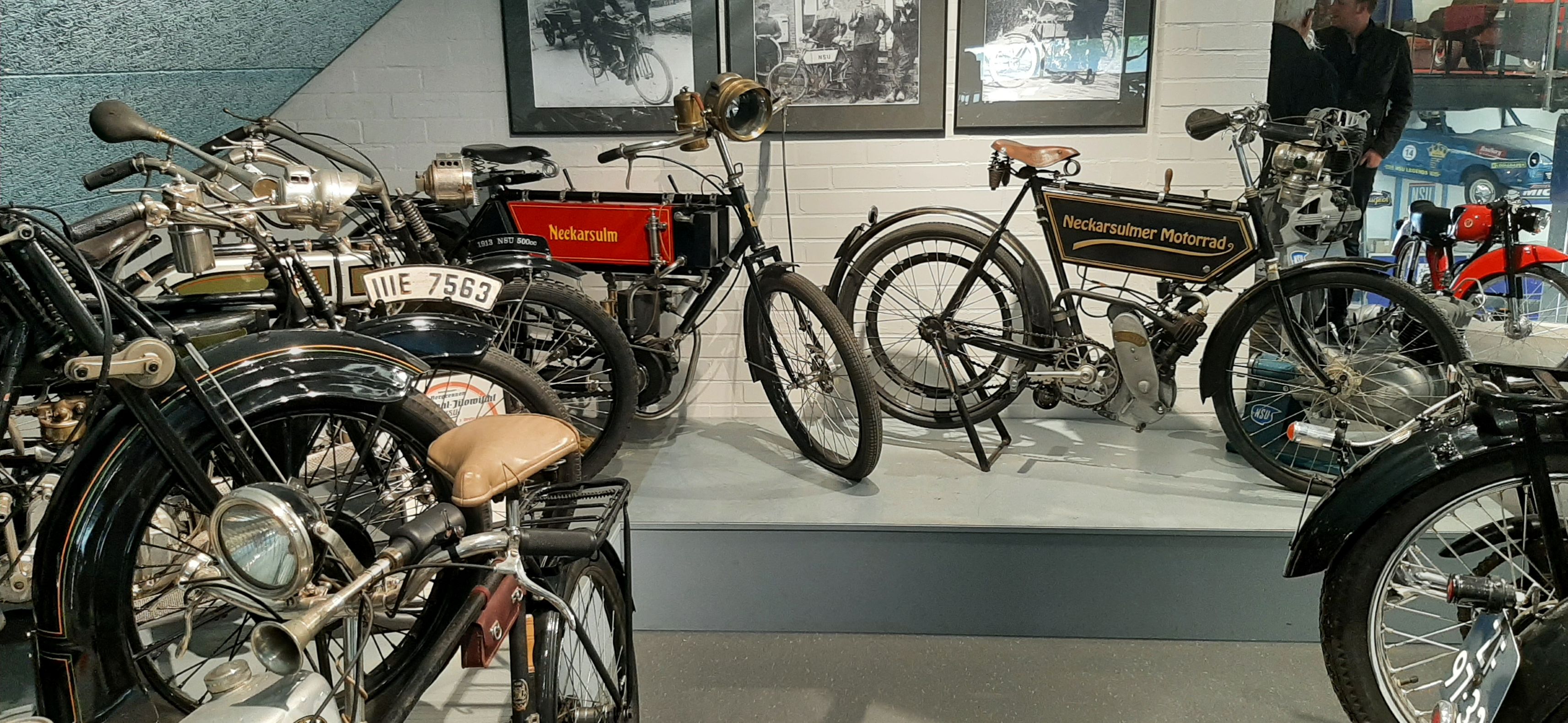
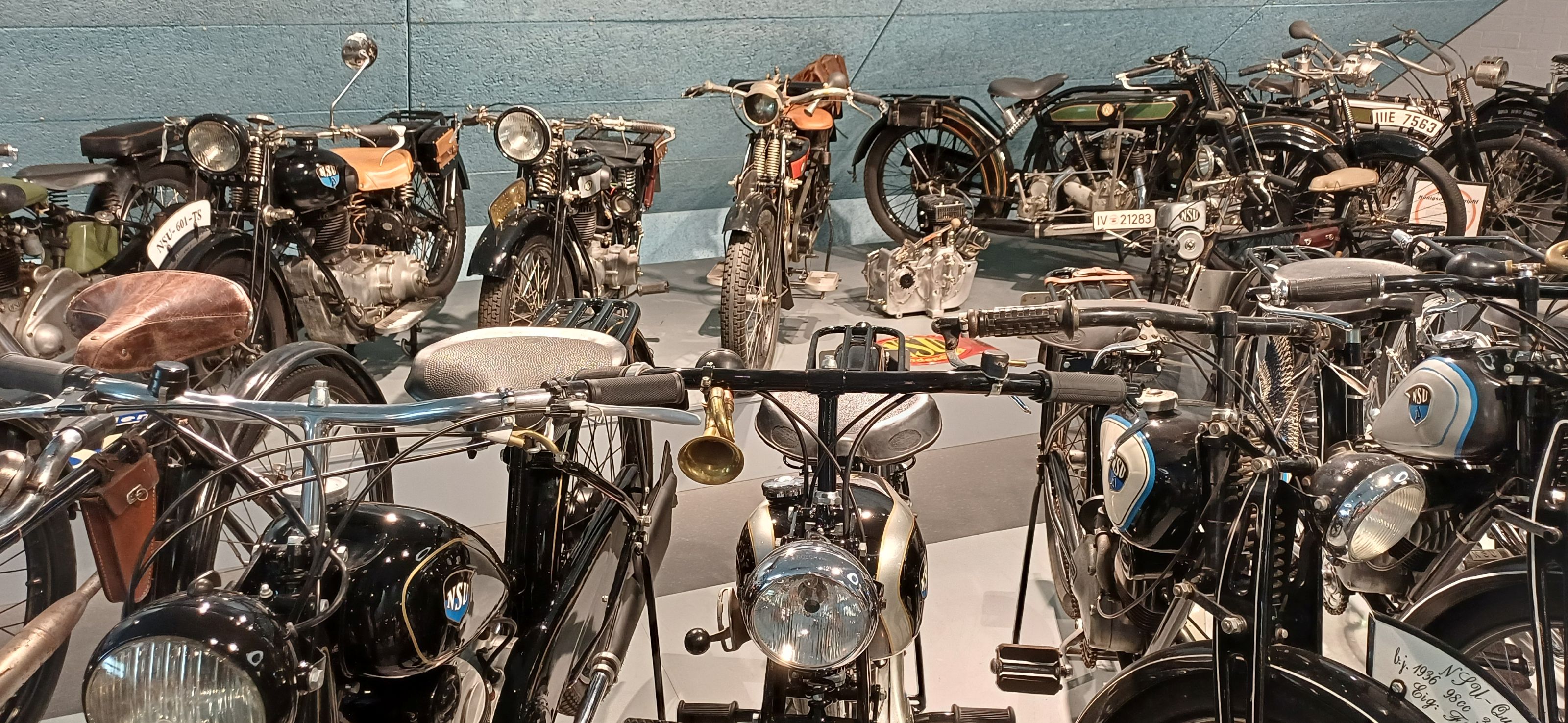
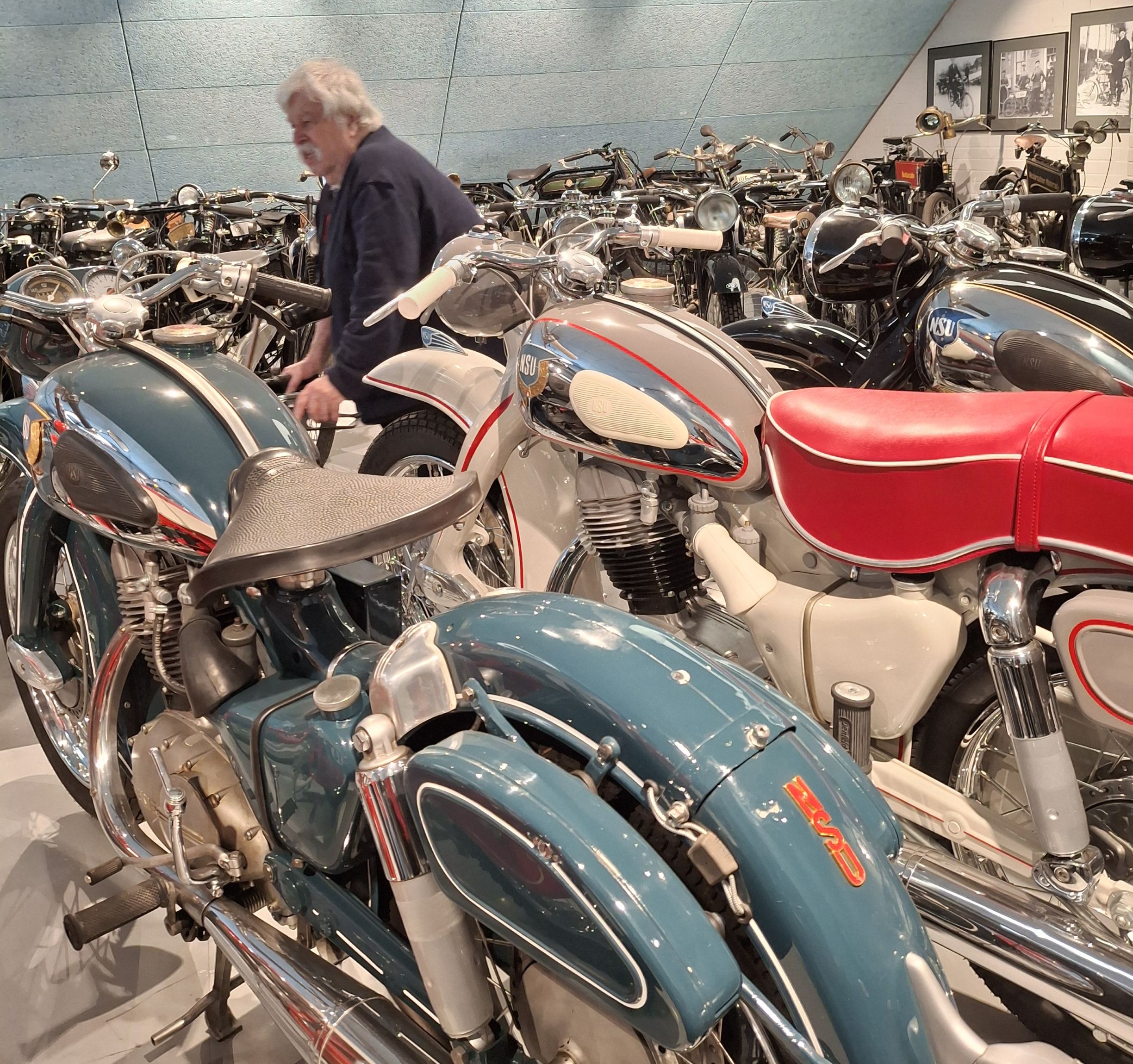
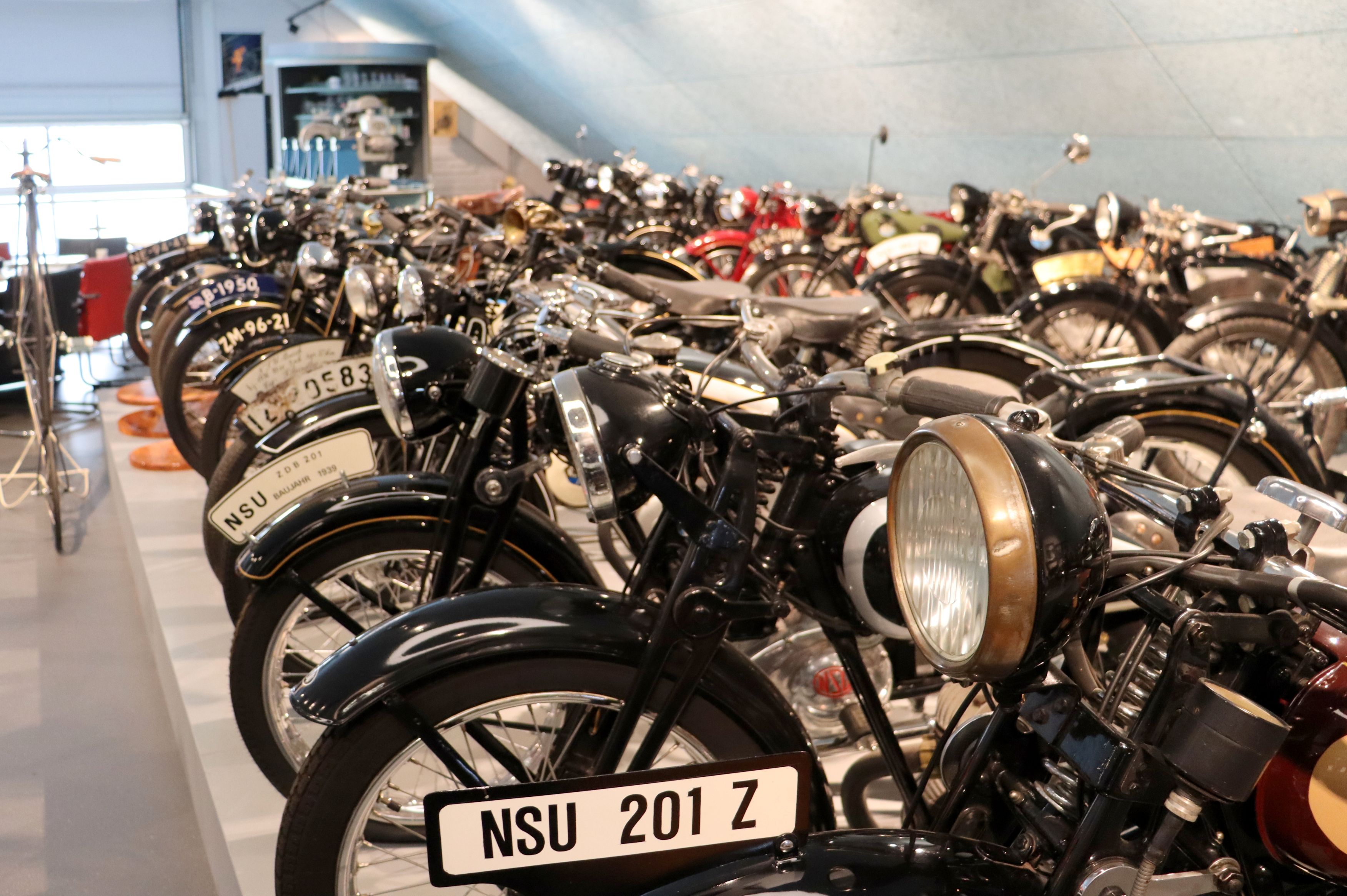
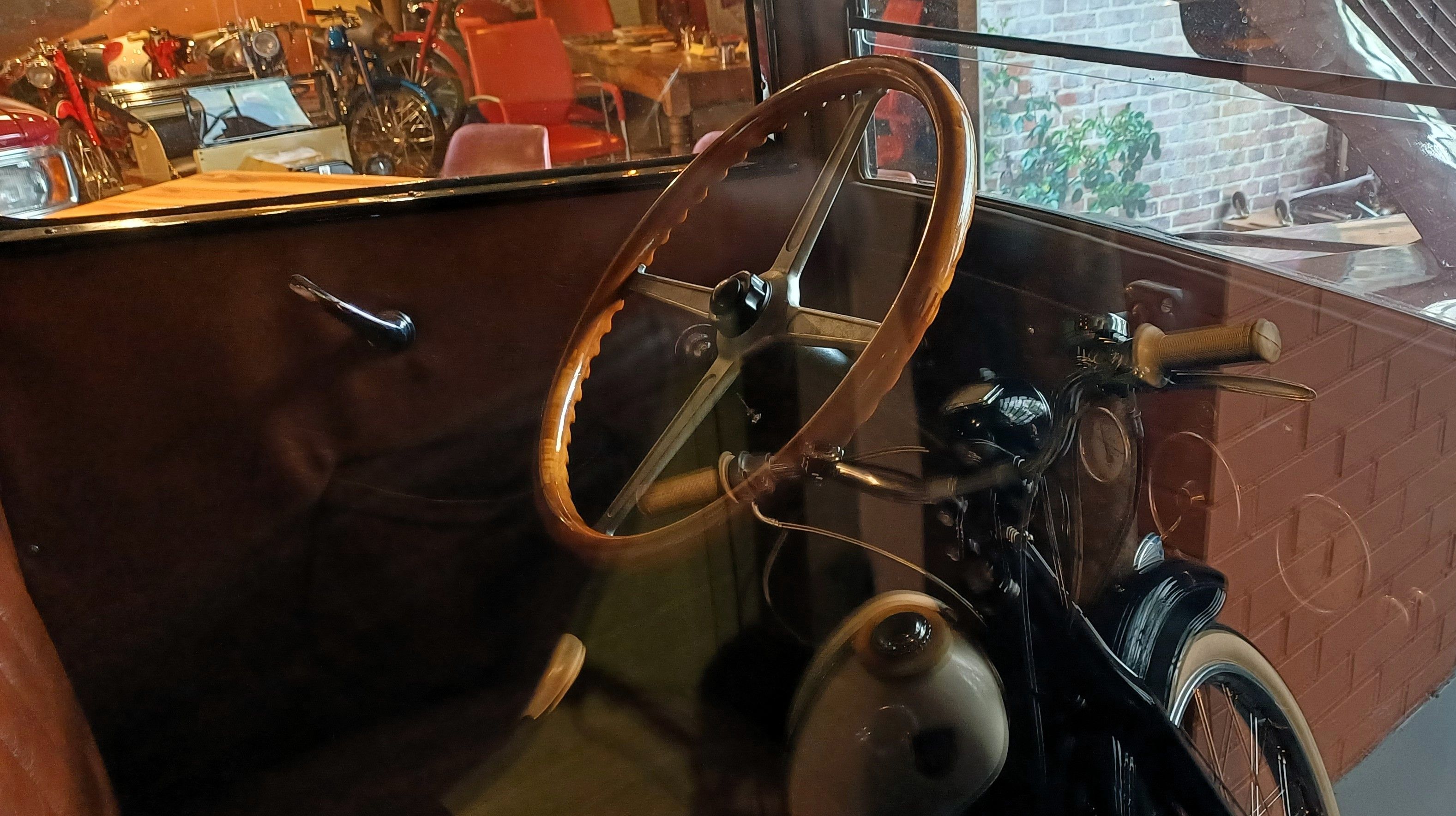
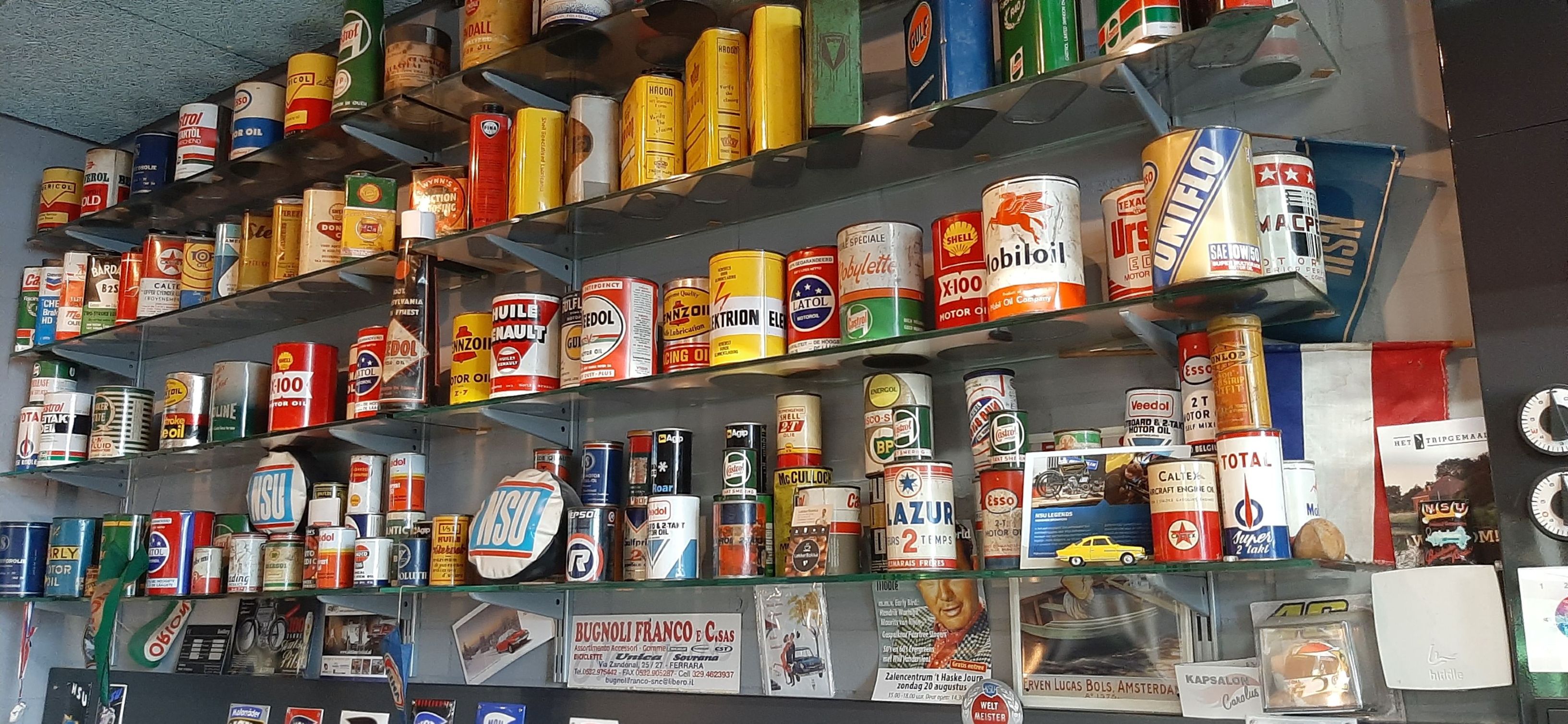
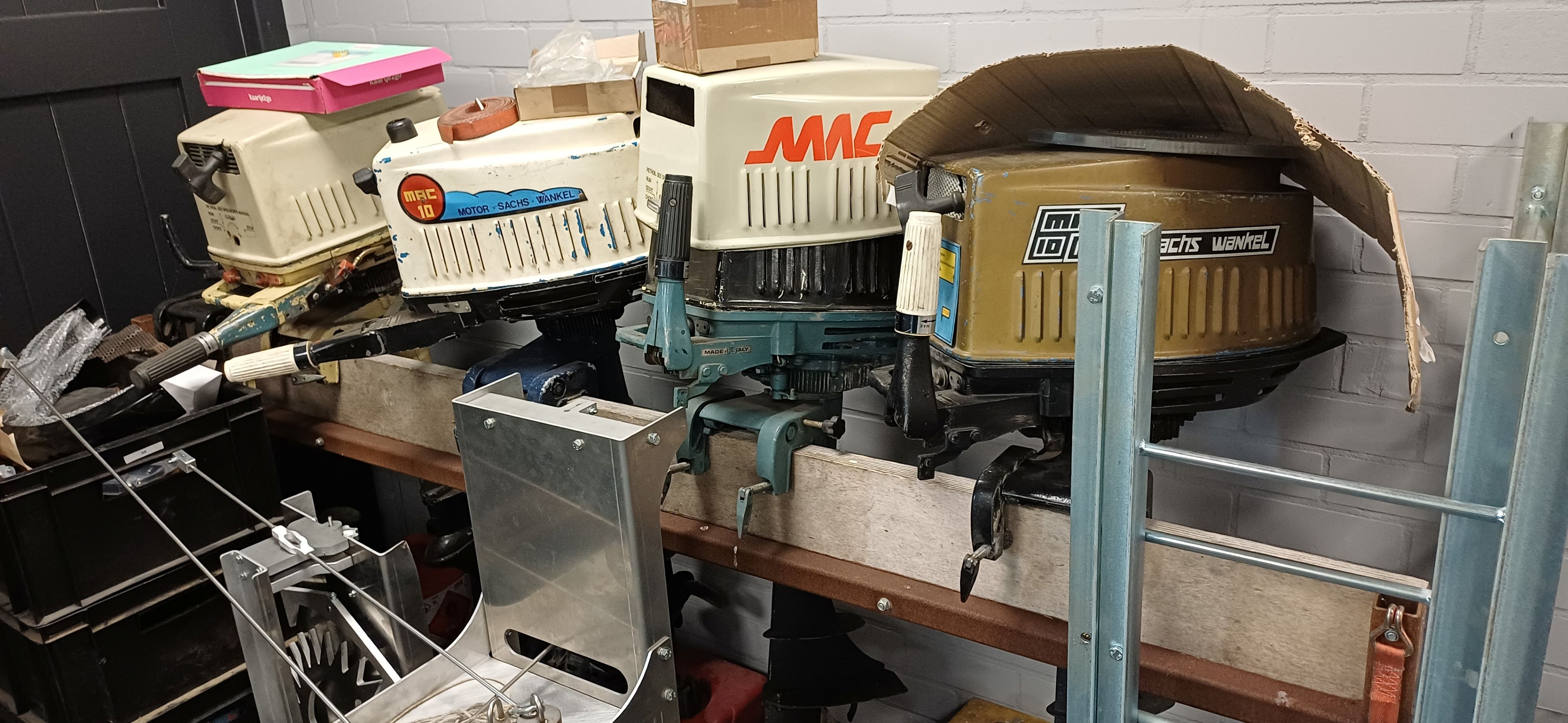
Wir wurden in ein privates NSU-Museum eingeladen, vor dem uns zwei aktuelle Tatra-LKWs erwarteten. Voll Stolz (und das absolut zurecht!) führte uns der Besitzer, Herr Hette Knijpstra durch seine Räumlichkeiten. Unglaublich, was hier in Top-restauriertem Zustand zu sehen ist. Es wird nicht nur ein Überblick über die vollständige Fahrrad- und Motorradproduktion von NSU gezeigt, auch ein vollständiger Querschnitt über die PKW-Produktion ist hier zusammengetragen. Dazwischen stehen bewährte ein- und zweispurige NSU Rennsport-Fahrzeuge, liebevoll umrahmt mit sonstigem Sammelsuriums (von der Drehorgel bis zu Zapfsäulen, über 50er-Jahre Geschirr bis hin zur Öldosensammlung) präsentiert. Kaum vorstellbar, dass irgendwo auf der Welt eine größere Ansammlung von Wankel-Außenborder-Motoren existiert…
Byli jsme pozváni do soukromého muzea NSU, před kterým na nás čekaly dva současné nákladní vozy Tatra. Majitel, pan Hette Knijpstra, nás s velkou hrdostí (a zcela oprávněně!) provedl svými prostory. Je neuvěřitelné, co vše je zde k vidění v perfektně zrestaurovaném stavu. Není zde k vidění jen přehled kompletní výroby jízdních kol a motocyklů značky NSU, ale je zde také shromážděn ucelený průřez výrobou osobních automobilů. Mezi nimi stojí osvědčená jedno- a dvoukolová závodní vozidla NSU, láskyplně doplněná nejrůznějšími sbírkovými předměty (od flašinetu přes čerpací stojany a nádobí z 50. let až po sbírku olejových plechovek). Těžko si představit, že by někde na světě existovala větší sbírka Wankelových přívěsných motorů…
We were invited to a private NSU museum, in front of which two modern Tatra lorries were waiting for us. Full of pride (and quite rightly so!), the owner, Mr Hette Knijpstra, showed us round his premises. It’s incredible what’s on display here, all in immaculately restored condition. Not only is there an overview of NSU’s entire range of bicycles and motorbikes, but a comprehensive cross-section of its car production is also on show here. Dotted amongst them are tried-and-tested single- and twin-track NSU racing vehicles, lovingly displayed alongside a smorgasbord of other collectables (ranging from barrel organs to petrol pumps, 1950s crockery to a collection of oil cans). It is hard to imagine that there is a larger collection of Wankel outboard engines anywhere else in the world…
Siamo stati invitati in un museo privato dedicato alla NSU, davanti al quale ci attendevano due autocarri Tatra di ultima generazione. Con grande orgoglio (e a ragione!) il proprietario, il signor Hette Knijpstra, ci ha accompagnato in visita ai suoi locali. È incredibile ciò che si può ammirare qui, tutto in condizioni di restauro eccellenti. Non solo viene presentata una panoramica completa della produzione di biciclette e motociclette della NSU, ma è anche raccolta una sezione completa dedicata alla produzione di autovetture. Tra questi spiccano collaudati veicoli da corsa NSU a una e due ruote, presentati con cura e circondati da un variegato assortimento di oggetti da collezione (dall’organetto alle colonnine di rifornimento, dalle stoviglie degli anni ’50 alla collezione di taniche per l’olio). È difficile immaginare che da qualche parte nel mondo esista una collezione più ampia di motori Wankel fuoribordo…
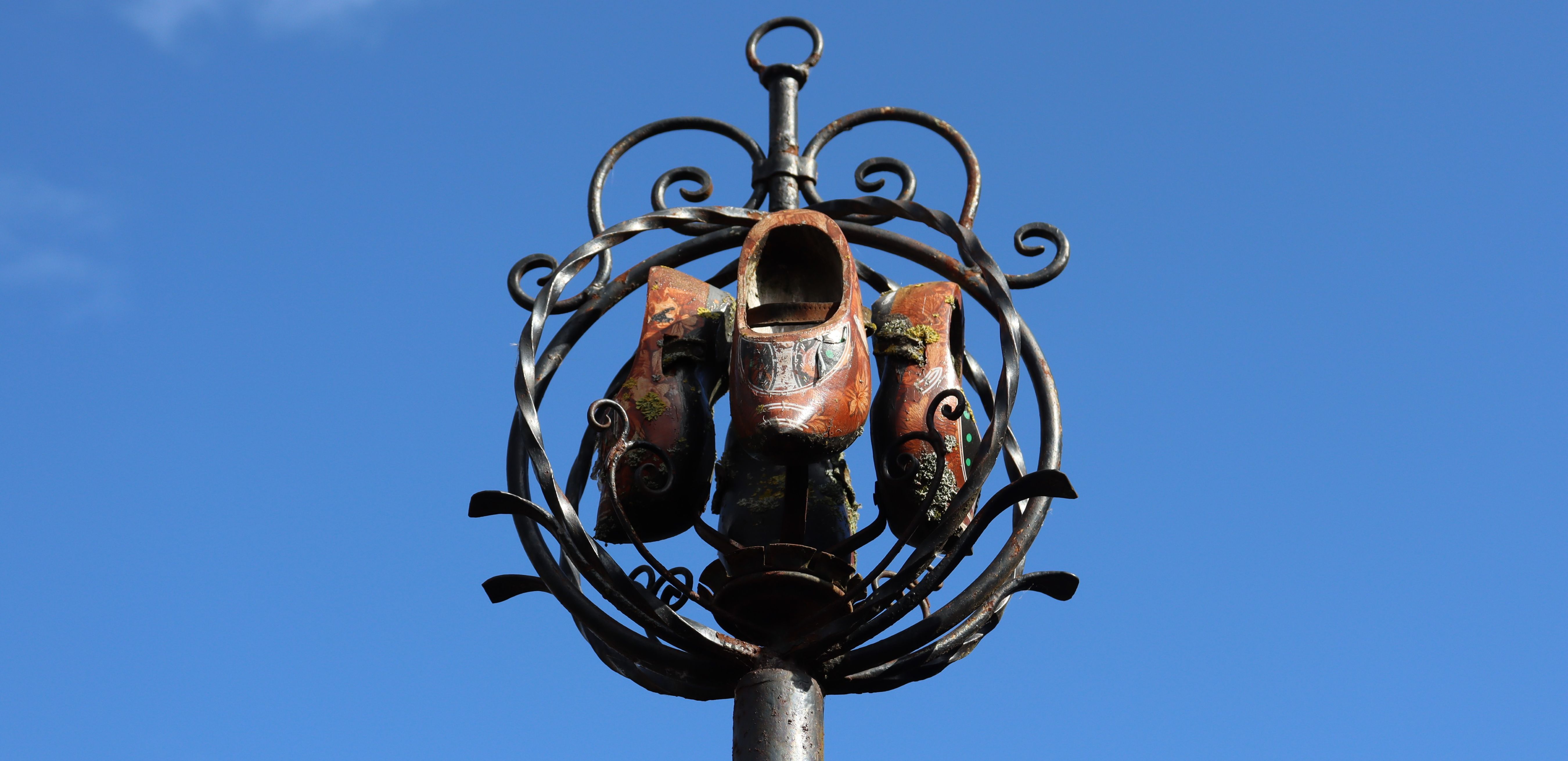
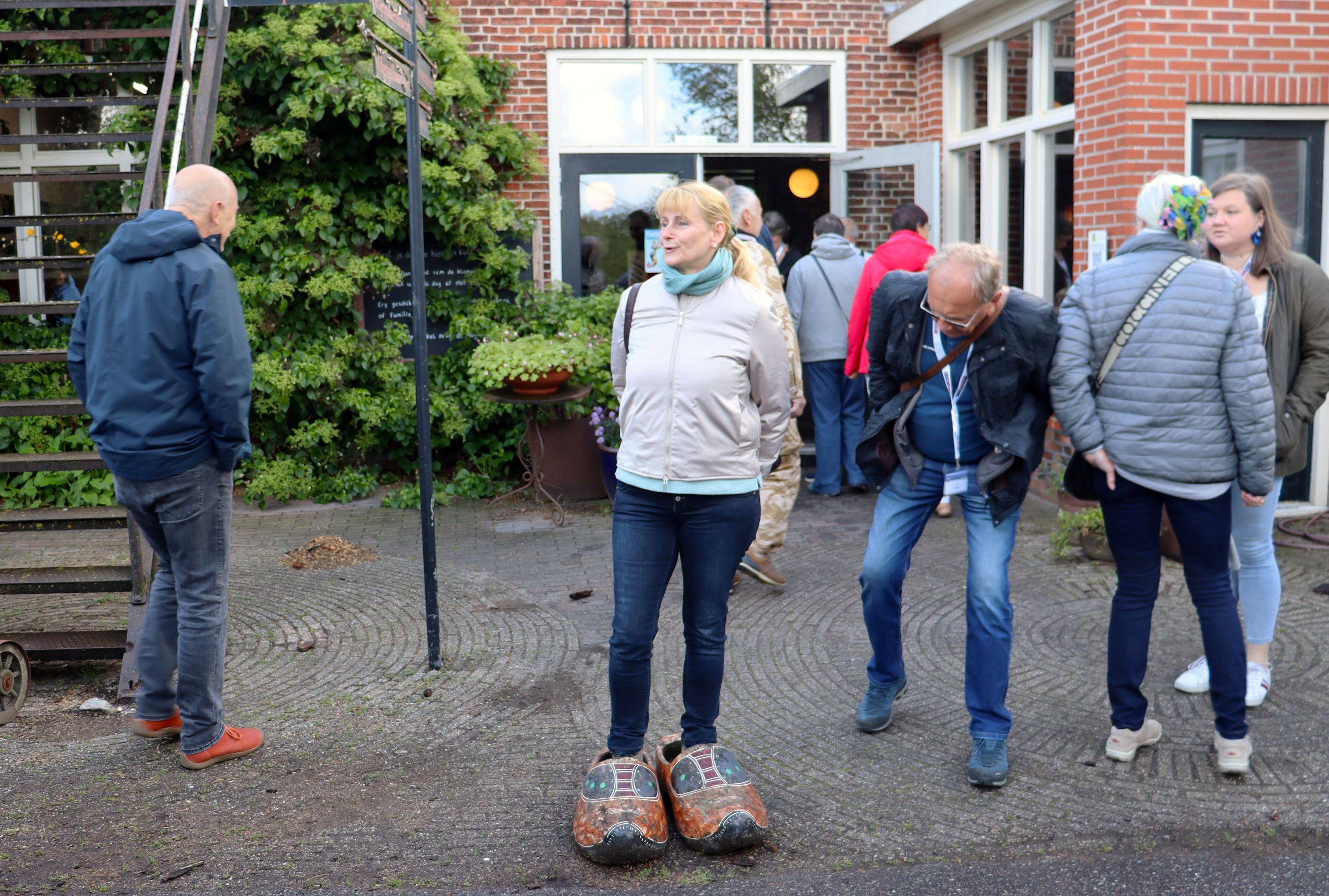
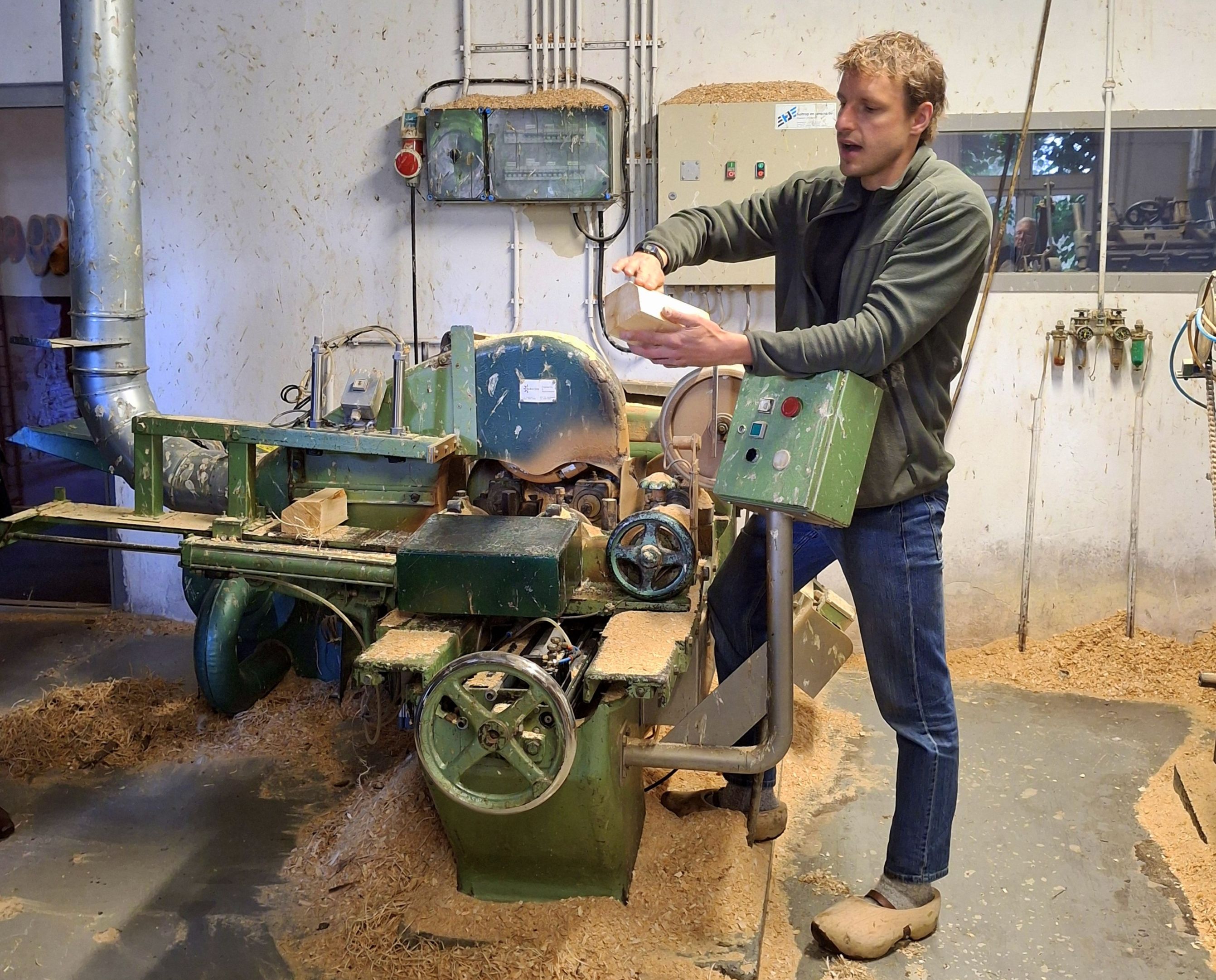
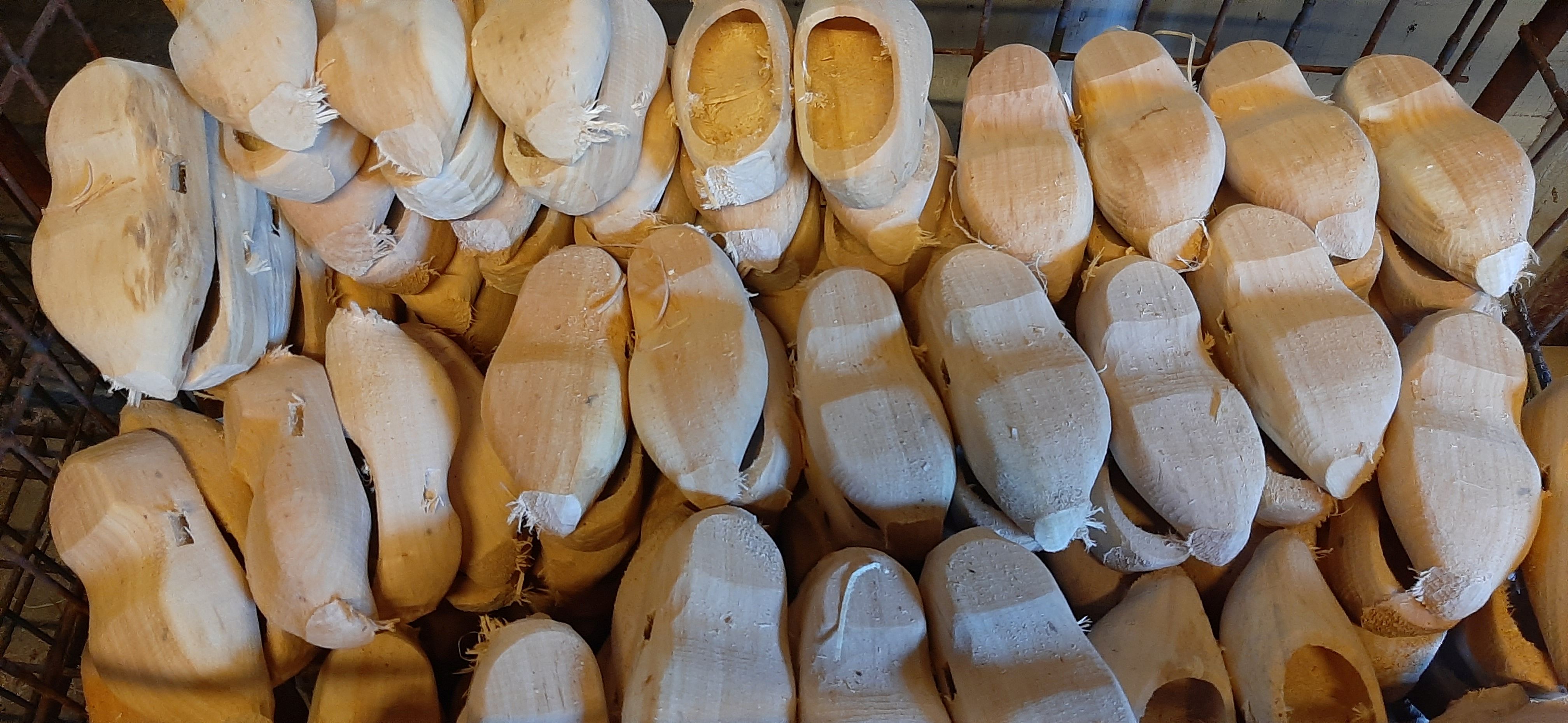
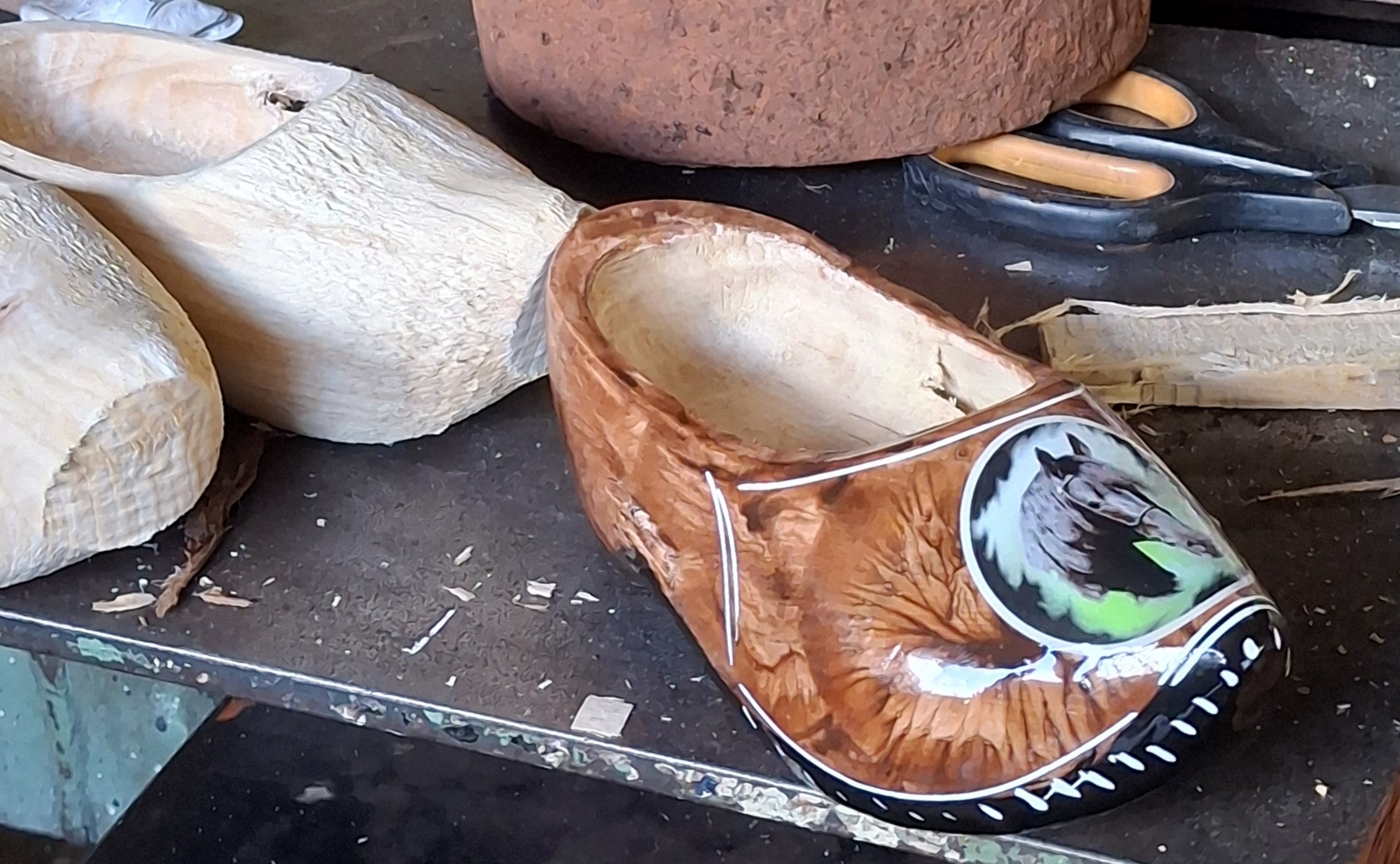
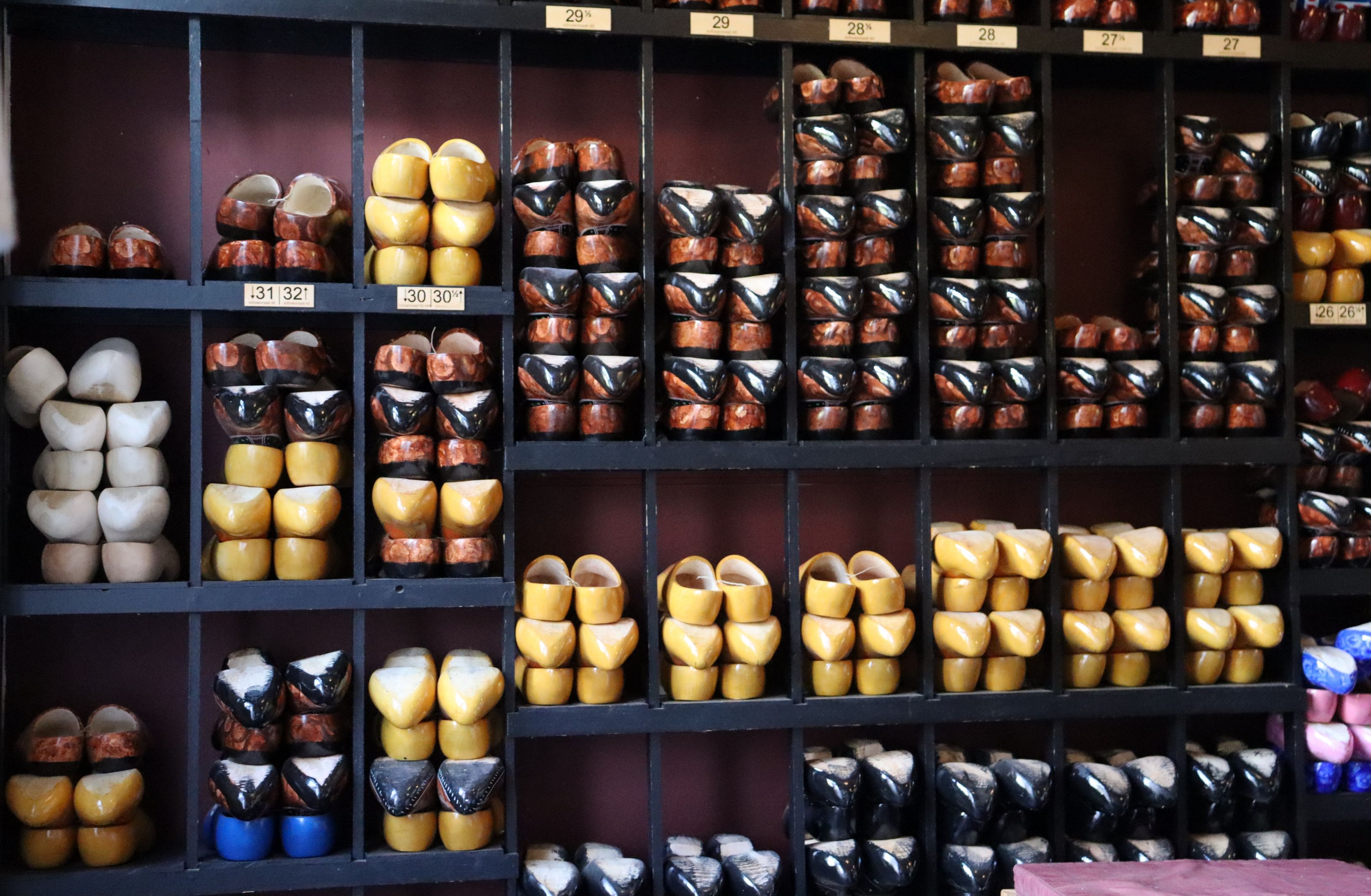
Jeder kennt es, das friesische Wahrzeichen, das an den Füßen getragen wird: die „Klompen“. Wir konnten die traditionelle Herstellung und die Geschichte dieser Holzschuhe in „Scherjons Klompmarkerij“ in Noardburgum eingehend bewundern. Die Maschinen, mit denen noch immer bis zu 250 Paare dieses hölzernen Schuhwerks pro Woche fabriziert werden, sind mittlerweile auch schon historisch, und, wie unsere Fahrzeuge, nach wie vor zuverlässig in Betrieb.
Každý to zná – ten fríský symbol, který se nosí na nohou: „klompen“. V „Scherjons Klompmarkerij“ v Noardburgumu jsme mohli podrobně obdivovat tradiční výrobu a historii těchto dřeváků. Stroje, na kterých se dodnes vyrábí až 250 párů této dřevěné obuvi týdně, jsou již samy o sobě historické a stejně jako naše vozidla stále spolehlivě fungují.
Everyone is familiar with it – the Frisian icon worn on the feet: the ‘Klompen’. We were able to admire the traditional craftsmanship and history of these wooden clogs in detail at ‘Scherjons Klompmarkerij’ in Noardburgum. The machines, which are still used to produce up to 250 pairs of these wooden clogs a week, are now historical artefacts themselves and, like our vehicles, remain reliably in operation.
Tutti lo conoscono, il simbolo della Frisia che si indossa ai piedi: i “Klompen”. Abbiamo potuto ammirare da vicino la produzione tradizionale e la storia di questi zoccoli di legno presso la «Scherjons Klompmarkerij» a Noardburgum. Le macchine con cui ancora oggi vengono prodotte fino a 250 paia di queste calzature di legno alla settimana sono ormai anch’esse storiche e, proprio come i nostri veicoli, continuano a funzionare in modo affidabile.
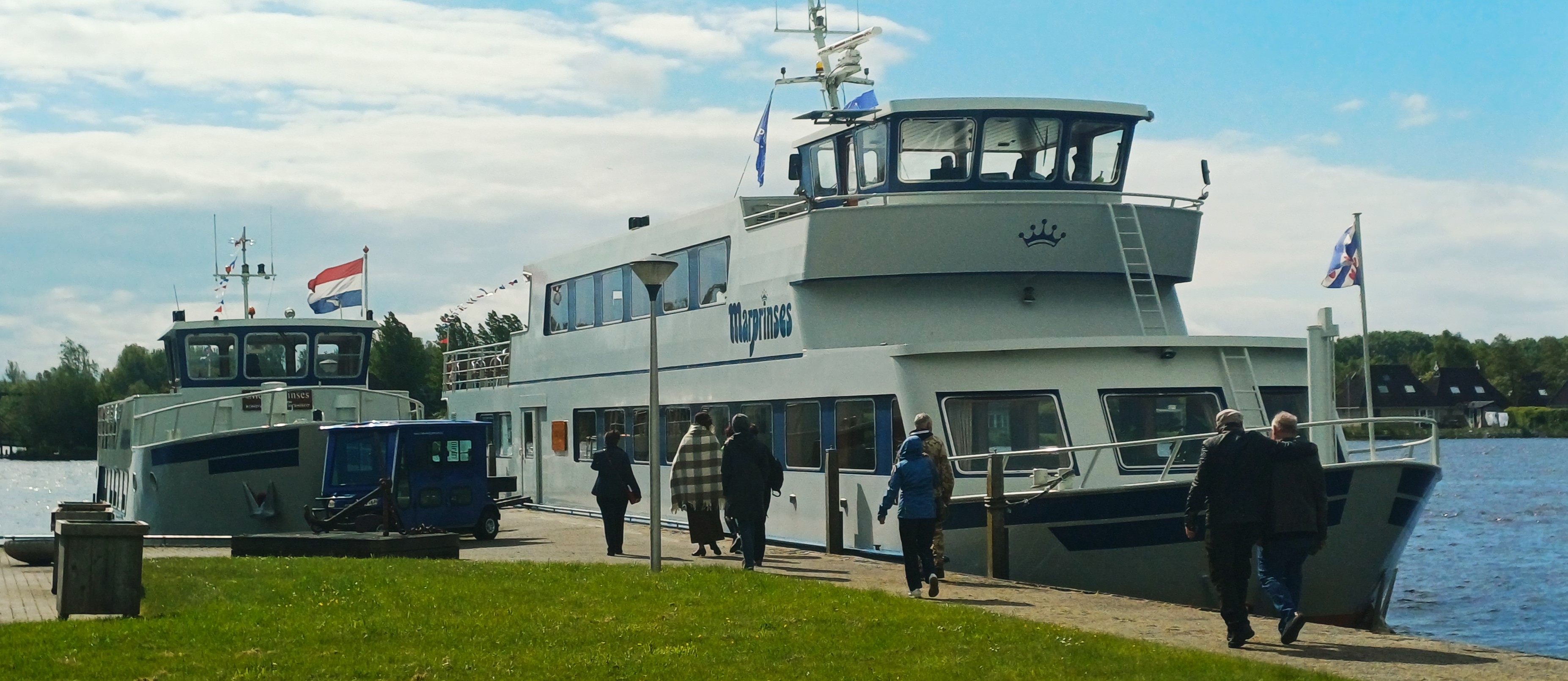
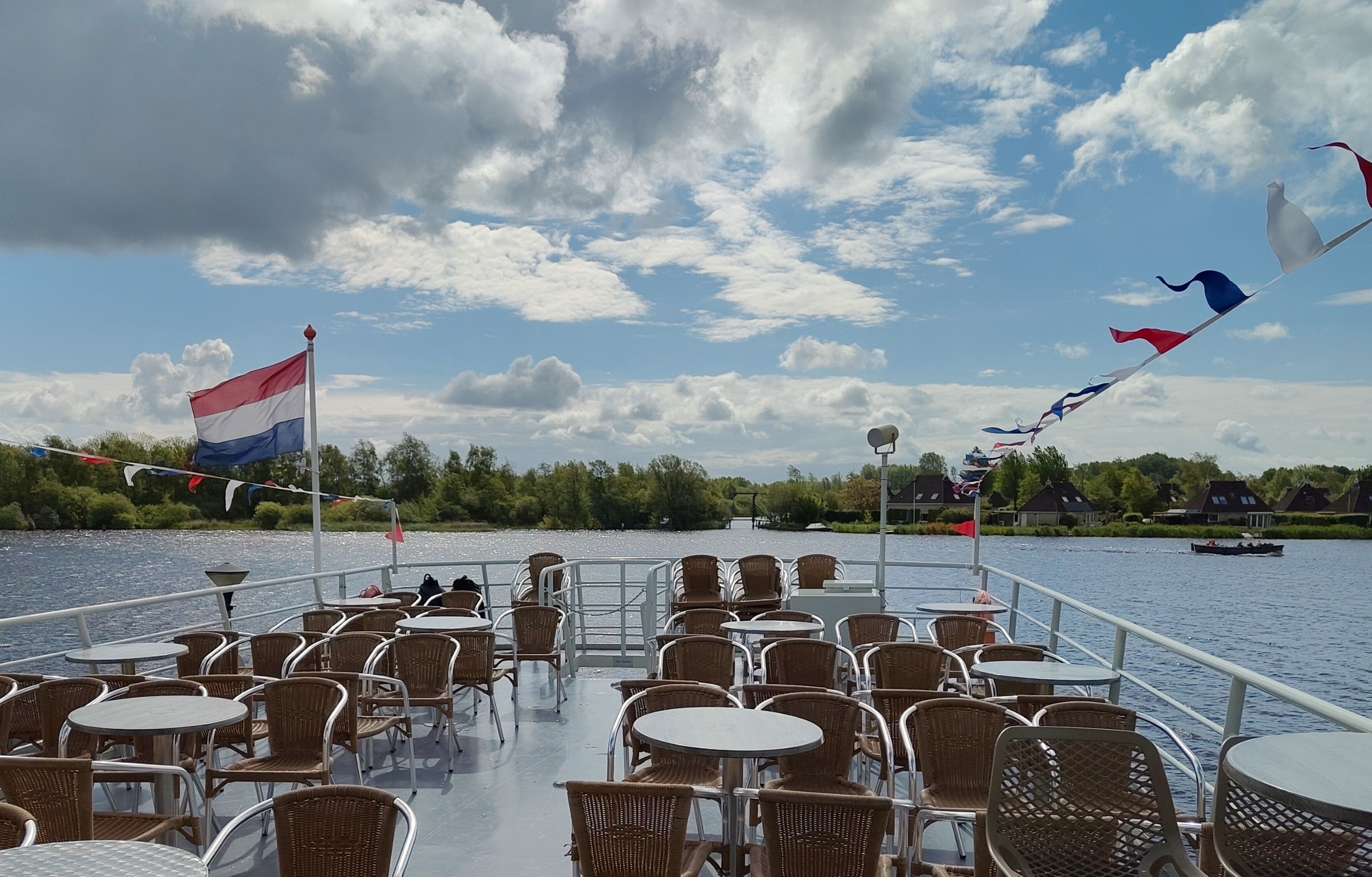
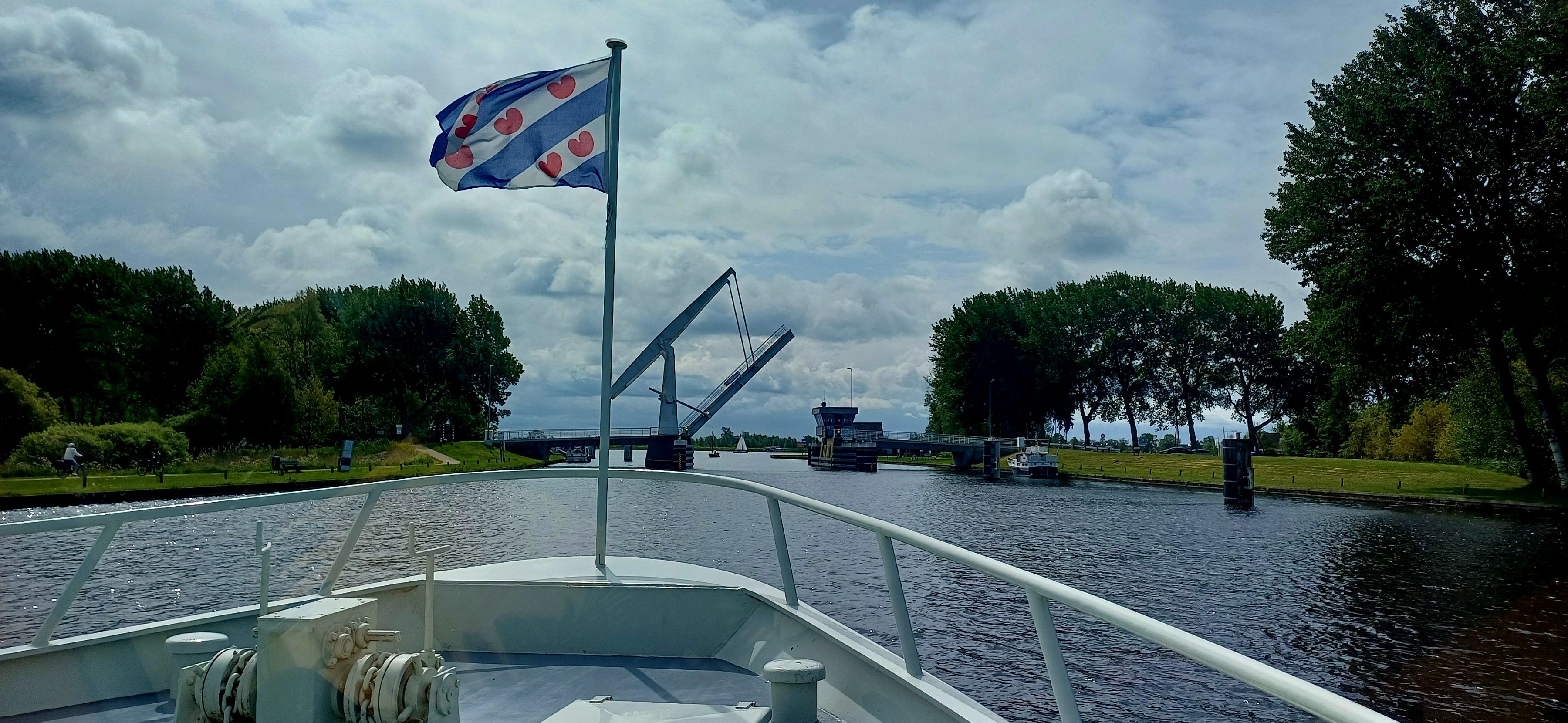
Eine gemächliche Schifffahrt durch den Nationalpark „De Alde Feanen“ mit Mittagessen zeigte uns, dass Friesland auch vom Wasser aus mehr als sehenswert ist und gab nebenbei ausreichend Gelegenheit für Benzingespräche.
Pohodová plavba národním parkem „De Alde Feanen“ s obědem nám ukázala, že Frýsko stojí za to vidět i z vody, a navíc nám poskytla dostatek příležitostí k rozhovorům o autech.
A leisurely boat trip through ‘De Alde Feanen’ National Park, complete with lunch, showed us that Friesland is well worth seeing from the water too, and provided plenty of opportunity for petrol-head chat along the way.
Una piacevole gita in barca attraverso il parco nazionale «De Alde Feanen», con pranzo incluso, ci ha dimostrato che la Frisia merita di essere visitata anche dall’acqua e ci ha offerto, tra l’altro, ampie occasioni per parlare di motori.
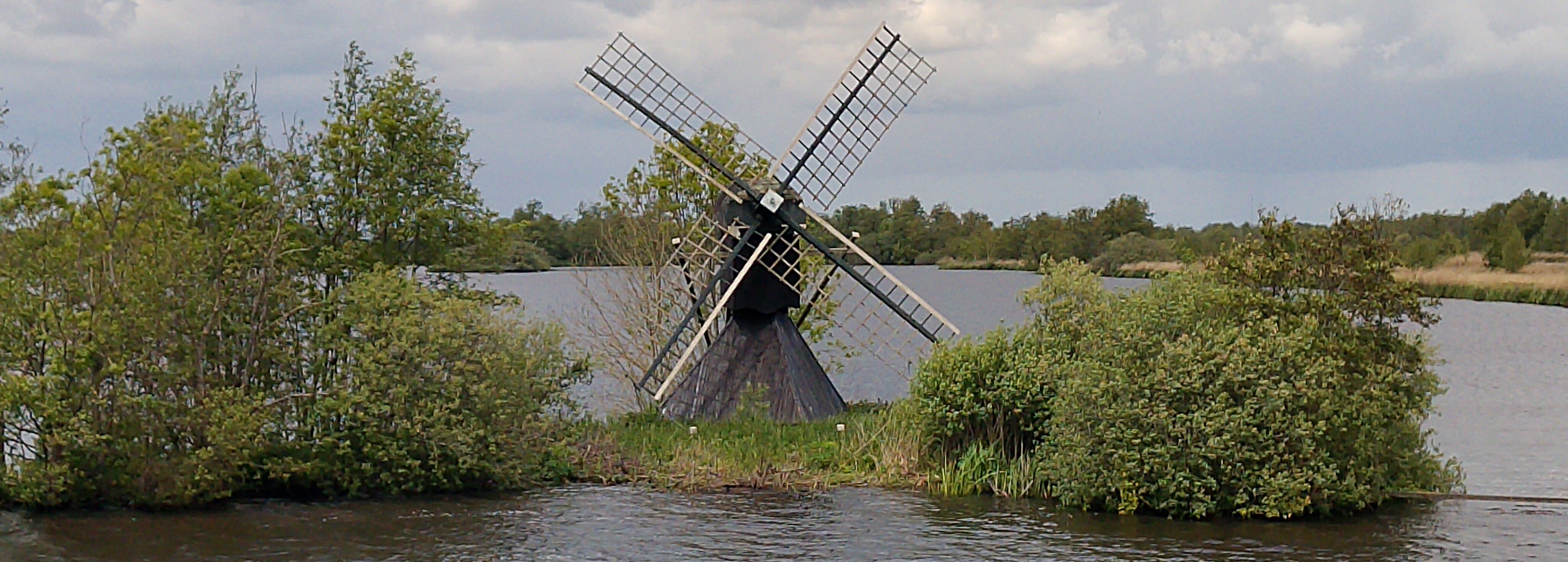
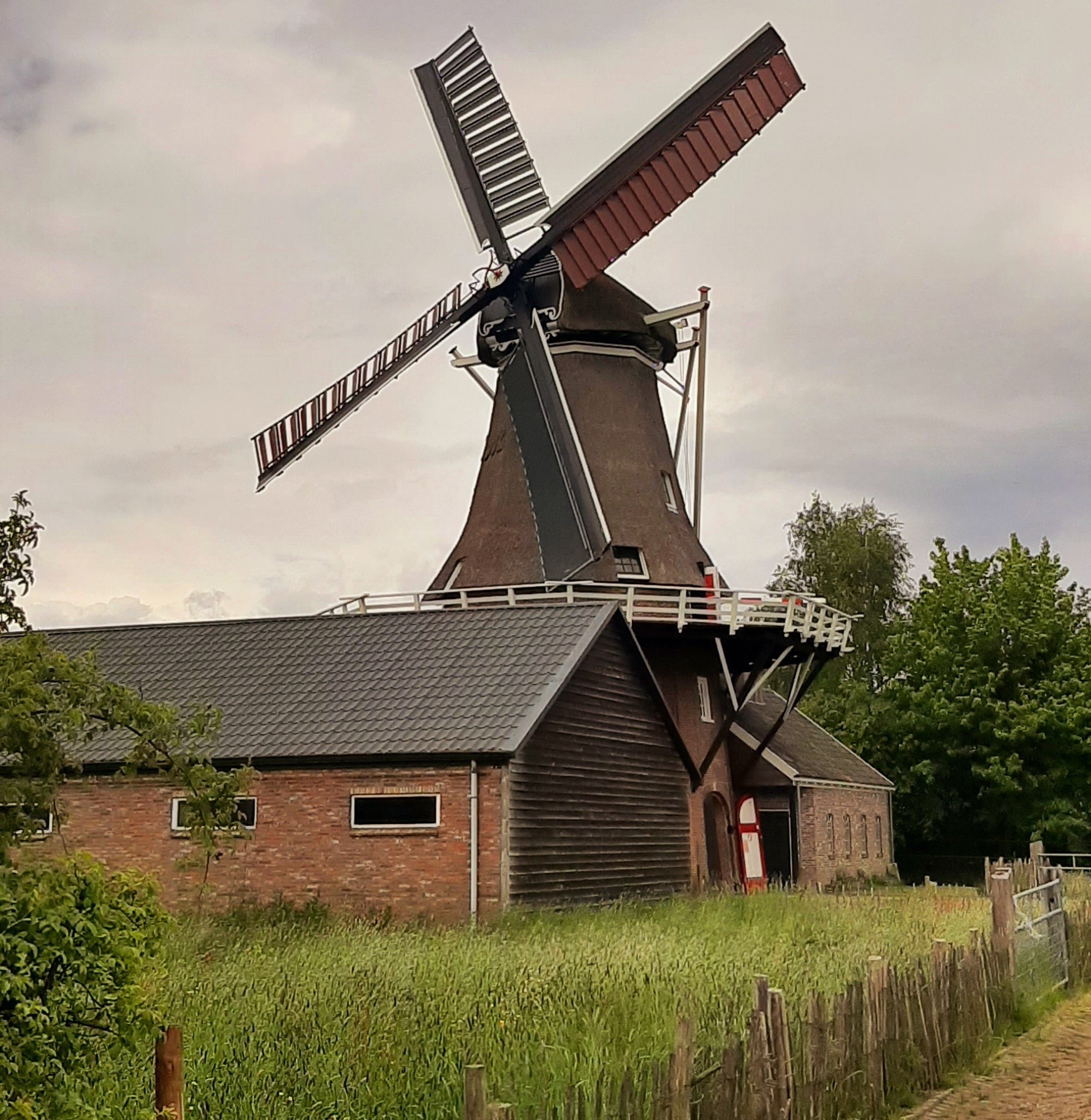
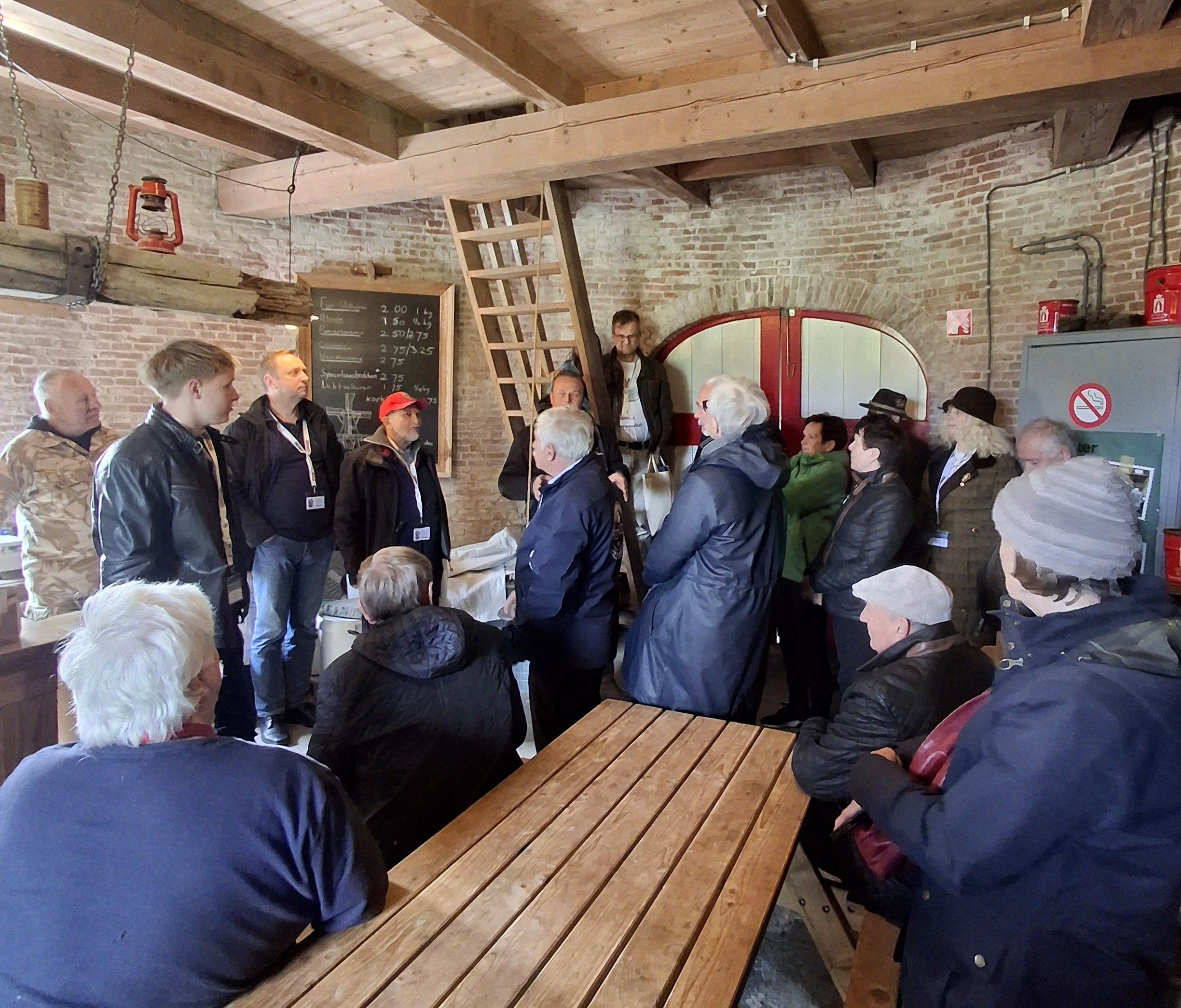
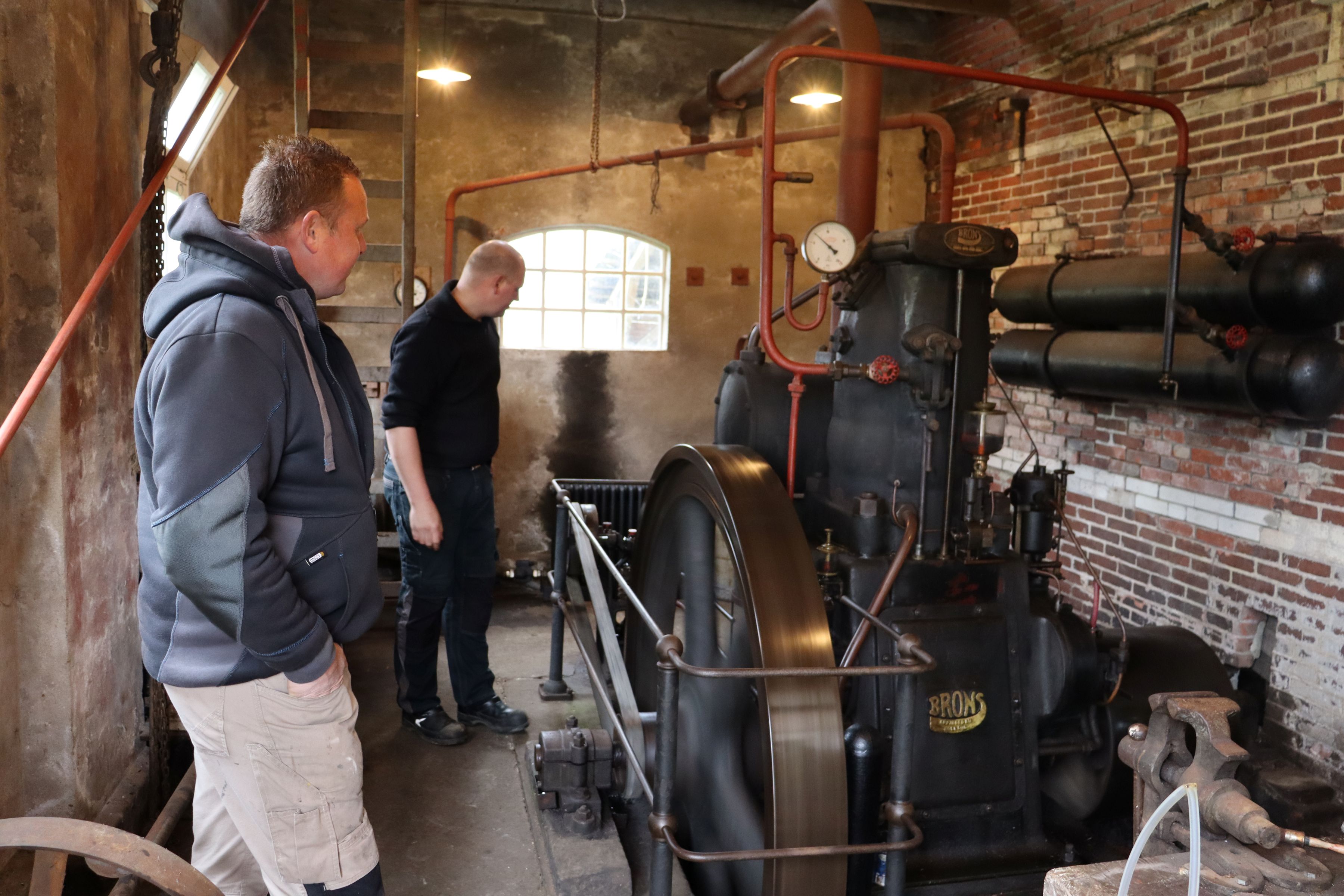
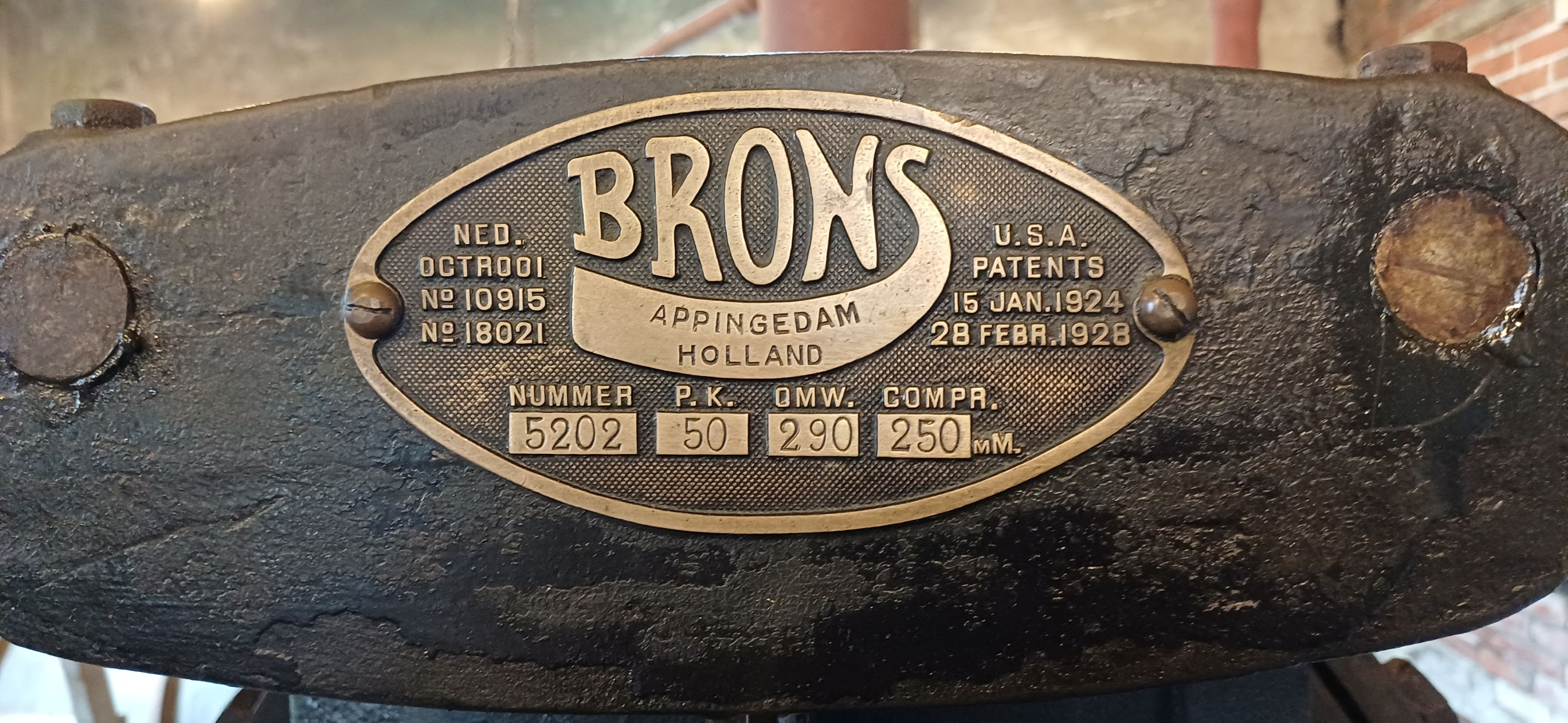
Was wären die Niederlande ohne Windmühlen? In Surhuisterveen konnten wir die 1864 errichtete, voll funktionsfähige "Nôtmûne Koartwâld" besichtigen. Sie produziert heute noch Mehl, das als regionales Produkt weiterverarbeitet wird. Und falls einmal tatsächlich kein Wind wehen sollte, dann wird das Mahlwerk durch alte Dieselmotoren angetrieben. Der ältere davon, der sehens- und auch hörenswerte gemächlich laufende einzylindrige Brons-Diesel aus dem Jahre 1933, wurde extra für uns gestartet. Und jeder Teilnehmer bekam ein Säckchen Mehl samt Rezeptur für Kekse als Geschenk.
Co by byly Nizozemsko bez větrných mlýnů? V Surhuisterveenu jsme si mohli prohlédnout plně funkční mlýn „Nôtmûne Koartwâld“, postavený v roce 1864. Dodnes zde vyrábí mouku, která se dále zpracovává jako regionální produkt. A pokud by náhodou opravdu nefoukal vítr, je mlýn poháněn starými dieselovými motory. Ten starší z nich, pomalu běžící jednoválcový diesel Brons z roku 1933, který stojí za to vidět i slyšet, byl spuštěn speciálně pro nás. A každý účastník dostal jako dárek sáček mouky spolu s receptem na sušenky.
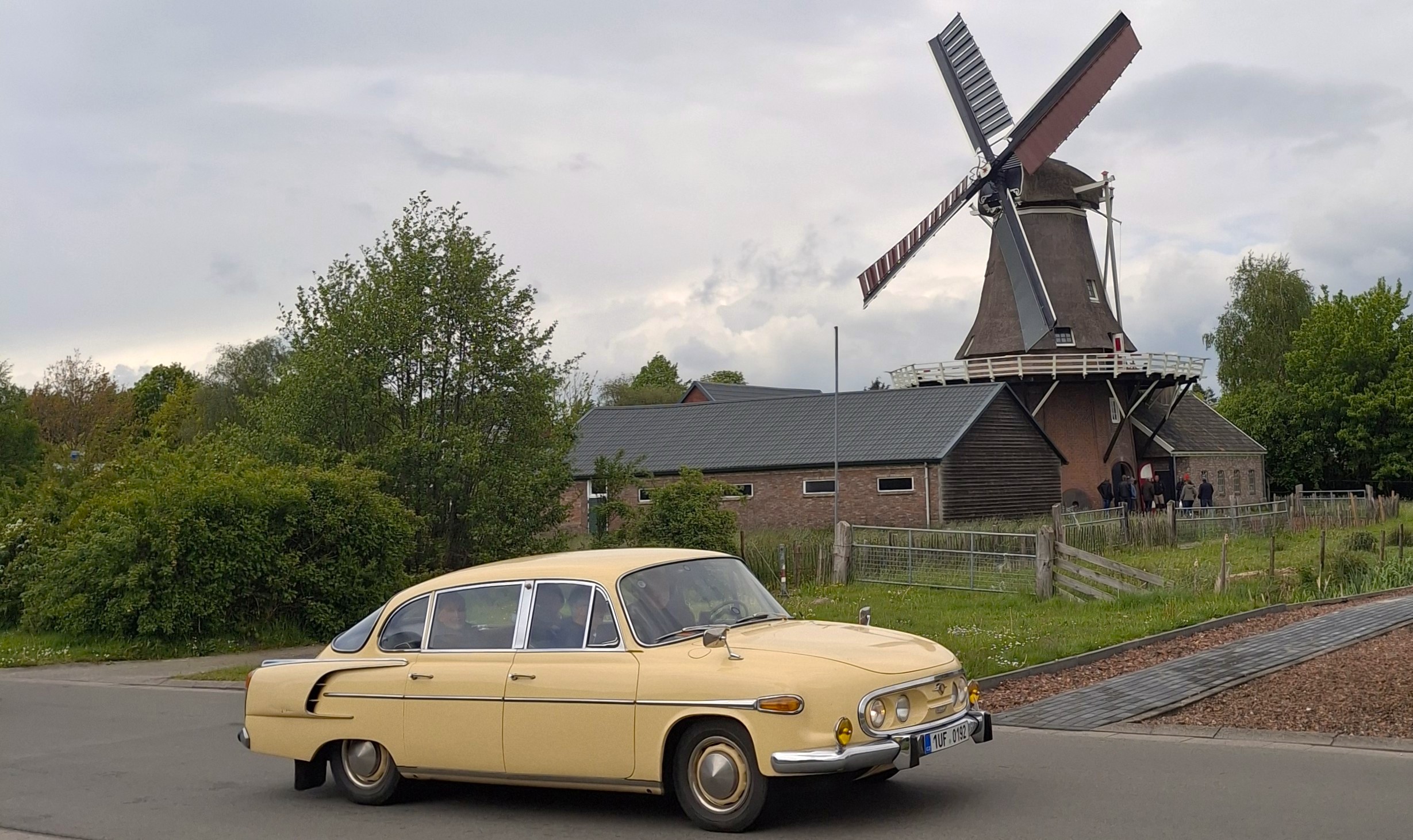
What would the Netherlands be without windmills? In Surhuisterveen, we were able to visit the fully operational “Nôtmûne Koartwâld”, built in 1864. It still produces flour today, which is processed as a regional product. And should there ever actually be no wind, the milling mechanism is powered by old diesel engines. The older of the two – the leisurely running single-cylinder Brons diesel from 1933, which is well worth seeing and hearing – was started up especially for us. And every participant received a small bag of flour along with a biscuit recipe as a gift.
Cosa sarebbero i Paesi Bassi senza i mulini a vento? A Surhuisterveen abbiamo potuto visitare il «Nôtmûne Koartwâld», costruito nel 1864 e ancora perfettamente funzionante. Ancora oggi produce farina, che viene lavorata come prodotto regionale. E se mai non dovesse soffiare il vento, il meccanismo di macinazione viene azionato da vecchi motori diesel. Il più antico dei due, il motore diesel Brons monocilindrico del 1933, che vale la pena vedere e ascoltare per il suo funzionamento tranquillo, è stato avviato appositamente per noi. E ogni partecipante ha ricevuto in regalo un sacchettino di farina insieme alla ricetta per i biscotti.
Abseits des zu erfahrenden Programms hatte unser rühriger Peter noch ein kurzweiliges Quiz organisiert. Doch auch so vergingen die Abende viel zu schnell, sammelt sich doch zwischen unseren jährlich stattfindenden Treffen viel Stoff an, der beplaudert werden muss. Zudem ergaben sich viele neue Kontakte infolge der Teilnahme der niederländischen Tatraisten. Kurzum: Es war ein gelungenes Tatra-Treffen, für das wir Peter Visser nicht genug danken können. Es hatte es bei der Organisation gesundheitsbedingt nicht unbedingt leicht, das Ergebnis aber spricht für sich.
Kromě samotného programu nám náš neúnavný Peter připravil ještě zábavný kvíz. I tak ale večery ubíhaly až příliš rychle, protože mezi našimi každoročními setkáními se nahromadí spousta témat, o kterých si musíme popovídat. Navíc díky účasti nizozemských milovníků Tatry vzniklo mnoho nových kontaktů. Stručně řečeno: Bylo to vydařené setkání milovníků Tatry, za které nemůžeme Peteru Visserovi dostatečně poděkovat. Z zdravotních důvodů to při organizaci neměl zrovna snadné, ale výsledek mluví sám za sebe.
Aside from the programme itself, our ever-energetic Peter had also organised an entertaining quiz. Even so, the evenings passed far too quickly, as a great deal accumulates between our annual meetings that we simply have to catch up on. What’s more, many new connections were made thanks to the participation of the Dutch Tatra enthusiasts. In short: it was a successful Tatra meet, for which we cannot thank Peter Visser enough. He didn’t exactly have it easy organising the event due to health reasons, but the result speaks for itself.
Oltre al programma previsto, il nostro instancabile Peter aveva organizzato anche un divertente quiz. Eppure le serate sono trascorse troppo in fretta: tra un incontro annuale e l’altro si accumulano infatti tante cose di cui parlare. Inoltre, grazie alla partecipazione dei Tatraisti olandesi, sono nati molti nuovi contatti. Insomma: è stato un raduno Tatra ben riuscito, per il quale non potremo mai ringraziare abbastanza Peter Visser. Per motivi di salute, l’organizzazione non è stata certo facile, ma il risultato parla da sé.
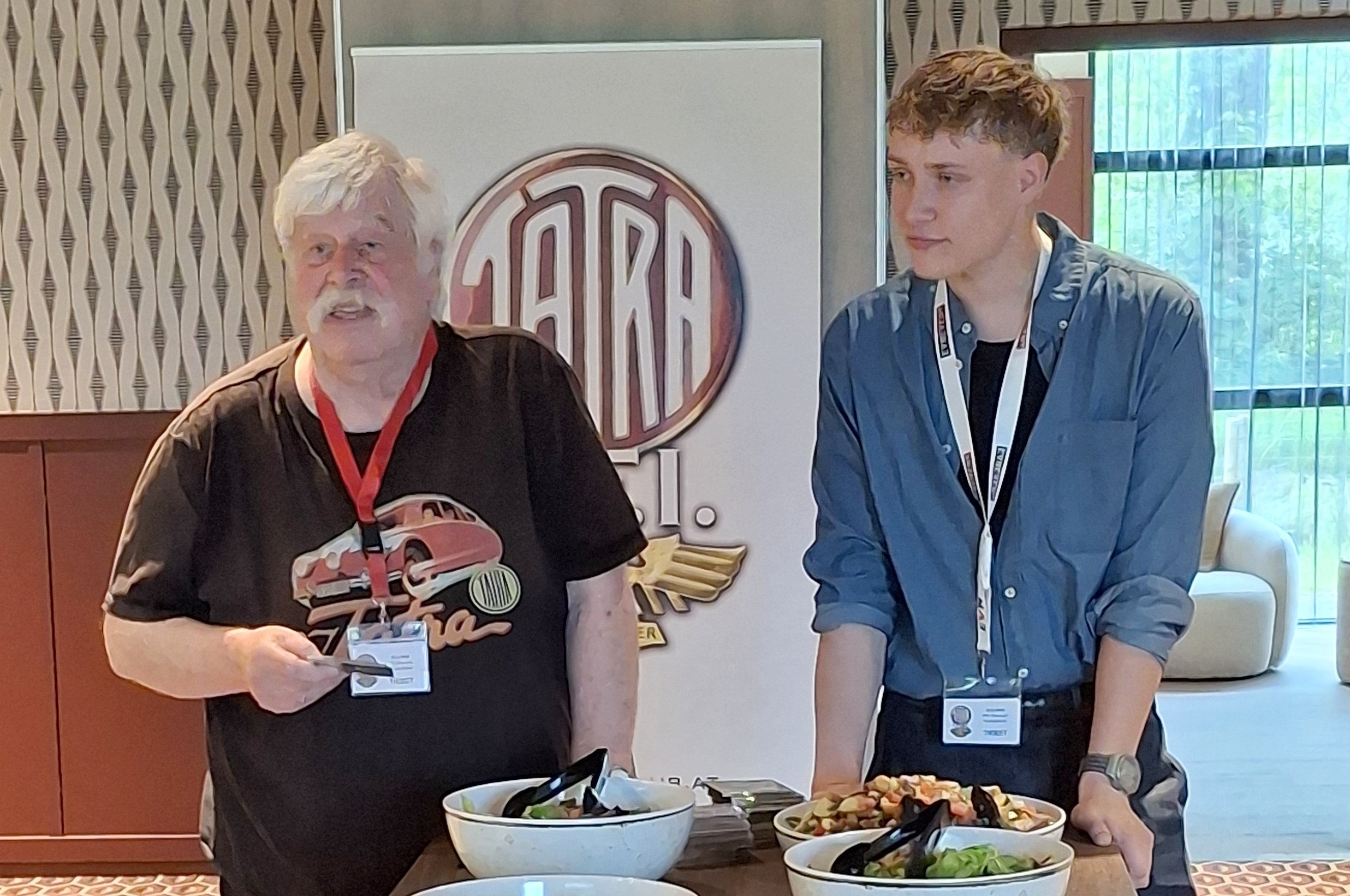
Apropos Organisation: Das nächste (mittlerweile 47.!) internationale Tatra-Treffen der T.F.I. wird in Kötschach-Mauthen in Kärnten stattfinden. Hans Engl hat dazu im Zuge der Generalversammlung per Videobotschaft seine Einladung ausgesprochen, was mit großem Applaus quittiert worden ist. Er weiß, was er sich damit aufgehalst hat: Nach 1995, 2001 und 2011 wird dies bereits viertes Treffen, das er ausrichten wird.
A když už je řeč o organizaci: Příští (mezitím již 47.!) mezinárodní setkání milovníků Tatry pořádané T.F.I. se bude konat v Kötschach-Mauthenu v Korutanech. Hans Engl v rámci valné hromady prostřednictvím videoposelství vyslovil své pozvání, které bylo přijato velkým potleskem. Ví, co si tím naložil na bedra: Po letech 1995, 2001 a 2011 to bude již čtvrté setkání, které bude pořádat.
Speaking of organisation: the next (now the 47th!) international Tatra meet organised by the T.F.I. will take place in Kötschach-Mauthen in Carinthia. Hans Engl extended his invitation via a video message during the General Assembly, which was met with loud applause. He knows what he’s taken on: following 1995, 2001 and 2011, this will already be the fourth meet-up he has hosted.
A proposito di organizzazione: il prossimo (ormai il 47°!) raduno internazionale Tatra della T.F.I. si terrà a Kötschach-Mauthen, in Carinzia. Hans Engl ha lanciato il suo invito in merito tramite un videomessaggio durante l’assemblea generale, che è stato accolto con un grande applauso. Sa bene a cosa va incontro: dopo il 1995, il 2001 e il 2011, questo sarà già il quarto raduno che organizzerà.