
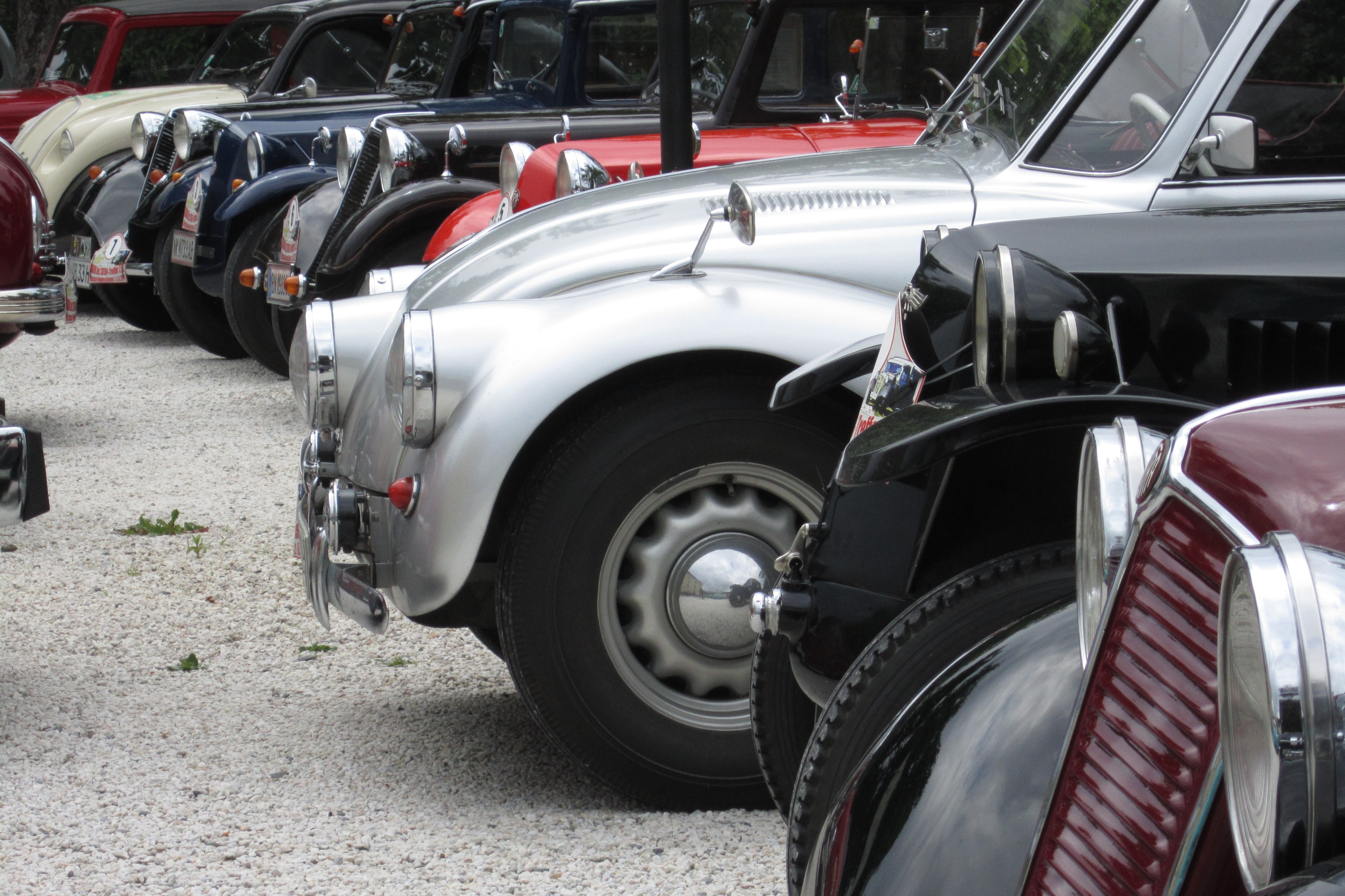
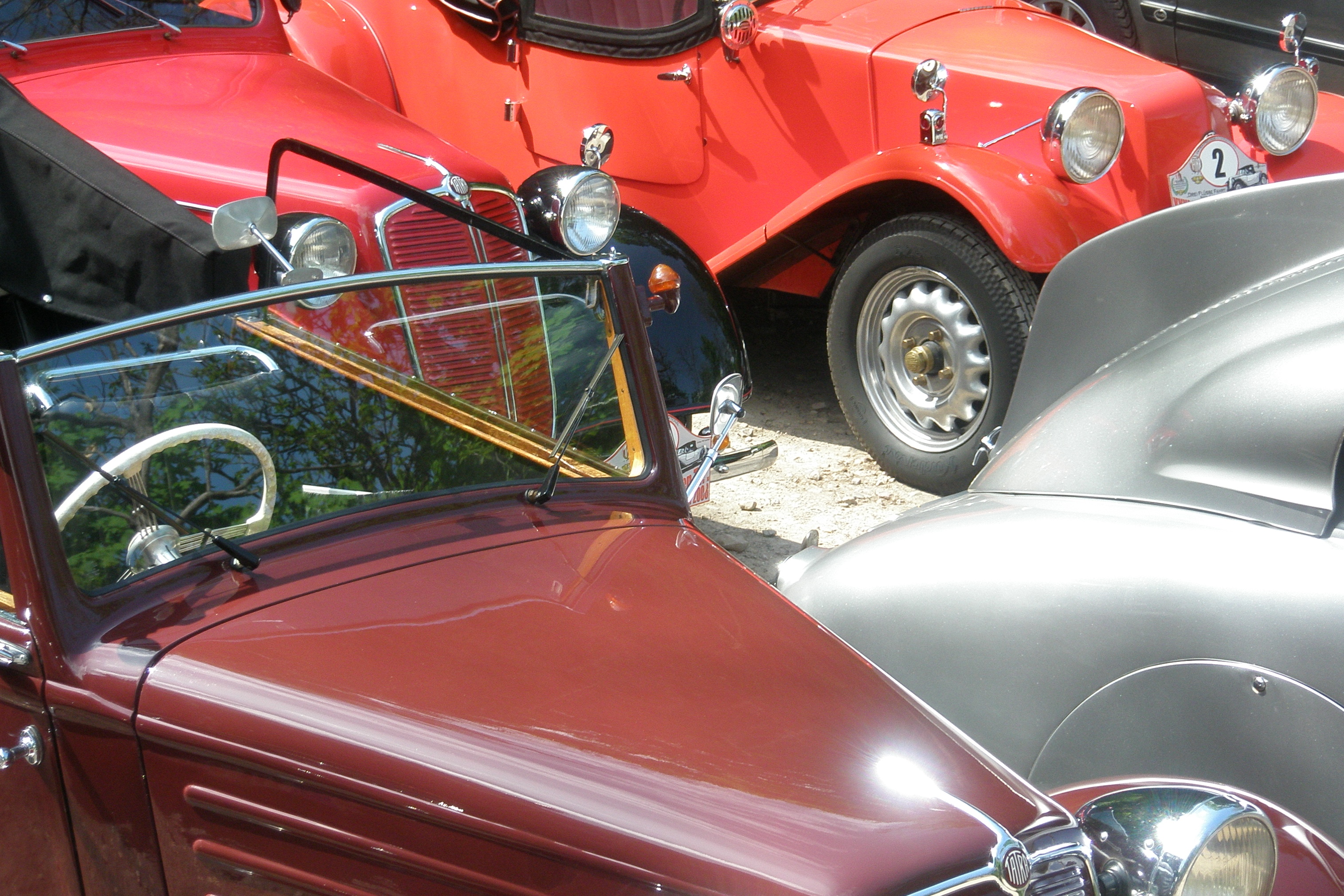
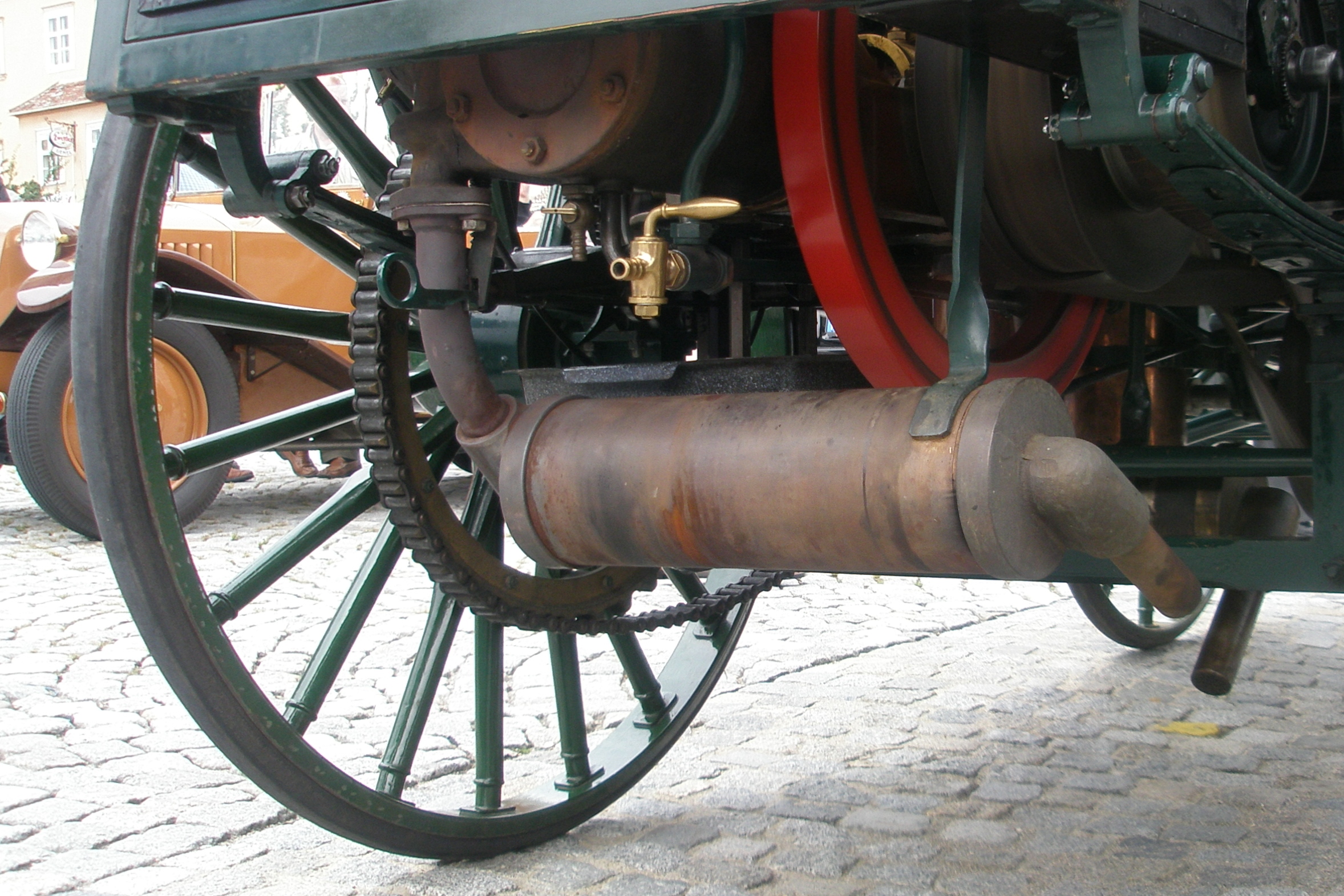
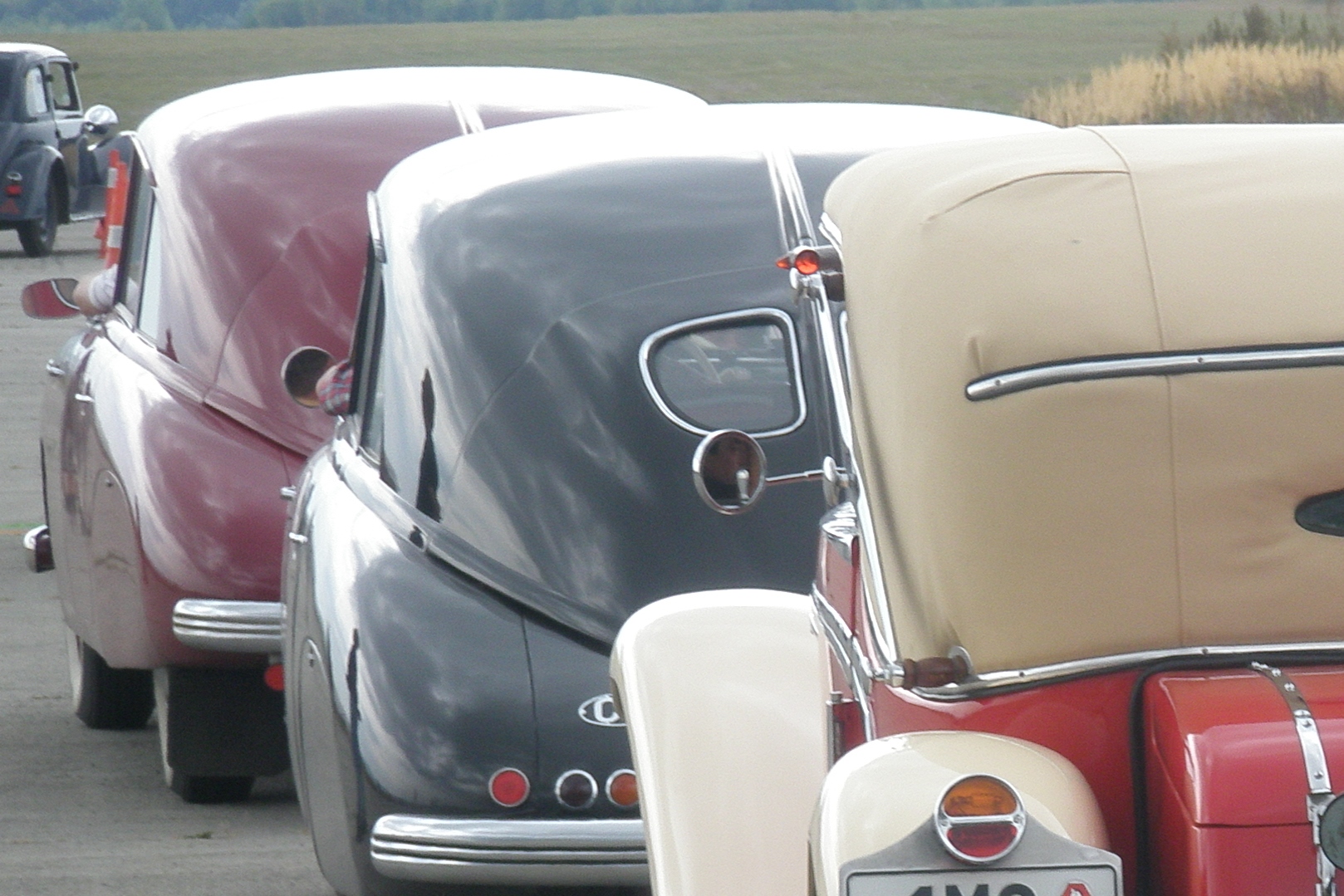
1923 entstanden die Tatra-Werke durch die Fusion der Nesselsdorfer Wagenbau-Fabriks-Gesellschaft mit den Waggonfabrik Ringhoffer AG in Prag-Smíchov. Die nach dem Zerfall der österreichisch-ungarischen Monarchie nun in der neu gegründeten Tschechoslowakei liegenden Werke wurden nach dem höchsten Gebirge der Tschechoslowakei, der Tatra, benannt. Die Fahrzeuge selbst trugen bereits seit 1920 den Namen Tatra, bis dahin war die Markenbezeichnung „Nesselsdorf“ oder „NW“ (Nesselsdorfer Wagenbau) verwendet worden.
Die Zentrale wurde von Wien nach Prag verlegt, da Österreich nach dem Krieg zum Ausland geworden war. Gleichzeitig wurde in Wien als Generalvertretung die Austro-Tatra gegründet.
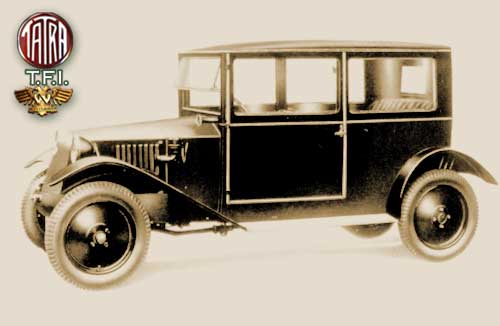 Im gleichen Jahr entwickelte der Konstrukteur Hans Ledwinka den Prototyp 11, einen PKW mit Zentralrohrrahmen, luftgekühltem Zweizylinder-Boxermotor vorne und Pendelachse hinten, im Volksmund Bügeleisen genannt, wegen der Form seiner spitzen, kühlerlosen Frontpartie. Dem folgte eine ganze Reihe dieser Baulinie, auch mit Vierzylindern. 1931 wurde der Prototyp V-570 gebaut, mit stromlinienförmiger Karosserie und luftgekühltem Zweizylinder-Boxermotor im Heck. Dieses Auto ging nicht in Serie, kann aber als ideeller Vorgänger des deutschen Käfers gelten (Ledwinka war mit Ferdinand Porsche befreundet und die beiden hatten einen regen Ideenaustausch). 1934 folgte der große stromlinienförmige Typ 77 mit luftgekühltem V-Achtzylinder im Heck mit 3 Liter Hubraum und OHC-Ventilsteuerung, der in der letzten Vorkriegsstufe als Typ 87 bis zu 160 km/h schnell war (cW-Wert 0,38). An der Entwicklung dieser Baureihe war maßgeblich Ledwinkas Sohn Erich beteiligt. In den Jahren 1947–1950 unternahmen Miroslav Zikmund und Jiří Hanzelka mit dem Typ 87 eine Reise durch drei Kontinente.
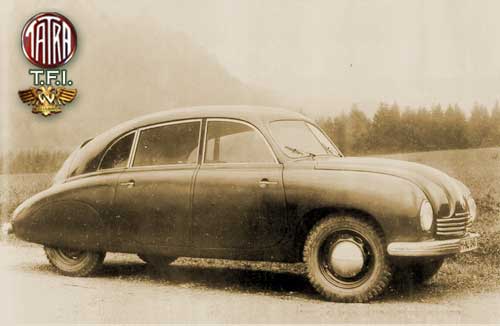 Nach dem Zweiten Weltkrieg versuchte die neue sozialistische Führung, die Marke Tatra ganz auf die LKW-Produktion umzustellen. So wurde die 1947 eingeführte kleinere Version des Typs 87 mit 2-Liter Vierzylinder, der Typ 600 Tatraplan, in das Škoda-Werk in Mladá Boleslav verlegt. Dieses Vorhaben wurde jedoch aufgegeben, als die Produktion eigener repräsentativer Fahrzeuge notwendig wurde. Zu diesem Zweck wurden die auf dem Typ 87 basierenden Modelle 603 (seit 1956) und der von Vignale karossierte Typ 613 (seit 1975) in handwerklicher Weise gebaut. Als letzter Versuch, im PKW-Geschäft mitzumischen, brachte Tatra 1996 den Typ 700 auf den Markt, dessen Produktion jedoch nach zwei Jahren eingestellt wurde.
Heute beschränkt sich Tatra auf die LKW-Produktion, die ebenfalls eine lange Tradition hat.
Quelle: wikipedia.org